
Monastic leadership embodies a profound commitment to spiritual discipline and community life, reflecting the teachings of Scripture on servanthood and humility. In Philippians 2:3-4, Paul exhorts believers to do nothing out of selfish ambition but to value others above themselves, a principle that undergirds the role of a monastic leader. Such leaders are called to guide their communities not through authoritarian rule, but through a model of Christ-like service, as Jesus Himself demonstrated in Mark 10:45, stating that He came not to be served but to serve. The establishment of a Prior, as discussed in sermons like 'It Happens All Too Often That the Constituting of a Prior,' highlights the importance of discernment and spiritual maturity in leadership roles, echoing the qualifications for overseers found in 1 Timothy 3:1-7. Moreover, the concept of community living, central to monasticism, resonates with Acts 2:44-47, where the early church exemplified unity and shared resources. In this context, monastic leaders are tasked with fostering an environment where prayer, worship, and mutual support thrive, aligning with the call in Hebrews 10:24-25 to encourage one another in faith. Ultimately, monastic leadership serves as a vital expression of the Church's mission to reflect Christ's love and grace in a fragmented world.
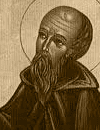
St. Benedict of Nursia warns against the dangers that arise in monasteries when the constituting of a Prior leads to pride, power struggles, and dissensions within the community. He highlights the absurdity of Prior being constituted by the same authority as the Abbot, leading to envy, quarrels, det
St. Benedict of Nursia emphasizes the importance of the Abbot having full administration of the monastery for the preservation of peace and charity. He suggests that the affairs of the monastery be administered by deans under the Abbot's guidance to prevent pride. If necessary, the Abbot can appoint