
Parables in the Bible are succinct, illustrative stories that convey moral or spiritual lessons, often using everyday situations familiar to the audience. The term "parable" comes from the Greek word "parabole," meaning "comparison" or "placing beside," which reflects how parables juxtapose a familiar experience with a deeper spiritual truth. Jesus frequently used parables in His teachings to reveal profound truths about the Kingdom of God, engaging listeners through relatable narratives while simultaneously challenging them to reflect on their meanings. For instance, the Parable of the Good Samaritan (Luke 10:25-37) illustrates the concept of loving one's neighbor, transcending ethnic and social boundaries.Parables serve multiple purposes: they provoke thought, invite introspection, and often conceal truths from those unwilling to listen (Matthew 13:10-17). In this way, they fulfill the prophecy of Isaiah about hearing but not understanding. The use of parables not only made Jesus' teachings accessible but also layered them with complexity, ensuring that those with a genuine desire to understand would seek deeper meanings. Thus, parables remain a vital method of instruction in biblical literature, emphasizing moral lessons while inviting personal reflection and transformation.

In this sermon, the preacher focuses on Matthew 13:15, which talks about how people have blinded their eyes and shut their ears to God's word. The preacher emphasizes that this is not God withdrawing His mercy, but rather the people's own attitude of shutting themselves away from God's word. To brea
In this sermon, the preacher focuses on the parables of Jesus found in Matthew 13. He highlights the first four parables, which depict conflict, failure, and the presence of evil in the world. The preacher emphasizes that the kingdom of God between Jesus' first and second coming is characterized by

In this sermon, the preacher begins a series of studies on the parables of Jesus, specifically focusing on three parables about entering God's kingdom. The first parable discussed is the parable of the sower sowing the seed, found in Mark 4:3-8. Jesus explains that this parable is crucial to underst
In this sermon, the speaker focuses on the topic of backsliding and explores four types of backsliders described in Luke chapter 15. The speaker emphasizes that God's perfect will for believers is to never backslide, as stated in Proverbs 4:18. However, the speaker acknowledges that many believers a

Leonard Ravenhill emphasizes the profound love of Jesus Christ for sinners, illustrating this through the parables of the lost sheep, the lost coin, and the prodigal son. He highlights that while many things Jesus said and did are not recorded in the Bible, the essence of His mission to seek and sav
In this sermon, the preacher discusses the parable of the laborers in the vineyard from Matthew's Gospel chapter 20. The parable tells the story of a man who hires workers at different times of the day, but pays them all the same wage. The preacher emphasizes the importance of the contract made betw
In this sermon, the speaker focuses on the parables of Jesus in Mark's Gospel, specifically the parables related to paying the price to be a true disciple of Jesus Christ. The first three parables discuss the importance of entering God's kingdom. However, the speaker emphasizes that entering the kin
In this sermon, the preacher discusses three parables from the Bible. The first parable, from Matthew 24, emphasizes the importance of faithful and sensible servants who provide food at the proper time. Jesus warns against mistreating fellow servants and highlights the consequences of such actions.
In this sermon, the preacher discusses the parable of the two sons from Matthew's Gospel. He emphasizes the importance of judging ourselves rather than others, as God will ultimately judge everyone. The sermon focuses on the danger of legalism and the difference between being religious and being spi
In this sermon, the speaker focuses on two parables from the book of Luke and Matthew. The first parable is about a moneylender who forgives the debts of two debtors, illustrating how we are all in debt to God for our sins. The speaker emphasizes that the amount of love we have for God is reflected
In this sermon, the preacher focuses on the parables of the dishonest steward and being faithful with God's gifts. The dishonest steward, knowing he was going to lose his job, cleverly manipulates his master's debtors to secure his future. The preacher emphasizes the importance of making wise decisi

In this sermon, the preacher focuses on the parable of the sower from Luke 8:5. He describes how a sower went out to sow his seed, and as he sowed, some fell by the wayside, some fell on rocky ground, some fell among thorns, and some fell on good ground. The preacher emphasizes the importance of und

Albert Leckie explores the 'Kingdom Parables' in Matthew 13, emphasizing the mysteries of the kingdom of heaven revealed through parables. He explains how the rejection of Jesus by Israel leads to a new phase where the kingdom is formed through the sowing of the Word, highlighting the different resp
In this sermon, the preacher addresses the audience, expressing disappointment that they were unable to receive the messages being preached. He questions why they allowed themselves to be influenced by the devil and become cruel towards others. The preacher then references the parable of the sower,

In this sermon, the speaker discusses the parable of the four soils as told by Jesus in Matthew 13. The sower in the parable represents Jesus Christ and all who spread the good word of God. The seed symbolizes the word of God itself. The parable describes four different types of soil: the wayside so

In this sermon, the main message is to be receptive and open to the word of God. The speaker emphasizes the importance of listening carefully and being receptive to the teachings. He also discusses the truth of all ministry, explaining that there will be different types of soil in which the word is
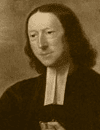
John Wesley explains Matthew 13, emphasizing the significance of parables in conveying spiritual truths. He highlights the various responses to the Gospel, illustrating how the condition of one's heart affects their ability to receive and bear fruit from God's word. Wesley points out that while some

G. Campbell Morgan explores the significance of Jesus' use of parables in teaching about the Kingdom of Heaven, emphasizing that parables serve as a method of revelation rather than concealment. He explains that while the disciples were given insight into the mysteries of the Kingdom, the multitudes
G. Campbell Morgan explores the parabolic teaching of Jesus in Mark 4:1-34, emphasizing the significance of the parables of the Sower, the Development from the Blade to the Full Corn, and the Mustard Seed. He discusses the reasons behind Jesus' use of parables, particularly in light of the growing o