
Quiet reflection is a vital aspect of the Christian faith, inviting believers into a deeper communion with God. In Psalms 46:10, we are called to "be still, and know that I am God," emphasizing the importance of stillness in recognizing His sovereignty and presence. Jesus exemplifies this practice in Luke 4:42, where He retreats to a solitary place to pray, demonstrating the necessity of silence and solitude in our spiritual lives. Quiet time with God allows us to listen to His voice, as described in 1 Kings 19:12, where God speaks not in the wind or earthquake, but in a gentle whisper. Engaging in prayer, as outlined in Philippians 4:6-7, enables us to present our requests to God, leading to a peace that transcends understanding. The discipline of solitude and silence fosters spiritual growth, allowing us to reflect on His Word and our relationship with Him, as seen in Psalms 119:15, where the psalmist declares, "I will meditate on Your precepts and contemplate Your ways." Embracing quiet reflection cultivates a heart attuned to God's guidance, nurturing a profound sense of His love and purpose in our lives.
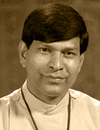
Bishop M.A. Lalachan preaches on the importance of being still and knowing that God is in control. He emphasizes the need to quiet the noise and turbulence in our lives to hear God's voice, find peace, and feel His love. By changing our fearful thoughts to faith-filled ones, we align ourselves with
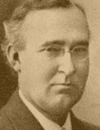
Charles E. Cowman preaches on the importance of solitude and quiet reflection in deepening our relationship with God. He emphasizes the need to step away from the busyness of life and spend time in peaceful communion with God, allowing our souls to be refreshed and rejuvenated. Cowman encourages bel

D. M. McIntyre preaches on the importance of finding a quiet place, hour, and heart for prayer, emphasizing that even in challenging circumstances, God understands and provides opportunities for solitude. He draws parallels to Jesus' own struggles to secure moments of prayer amidst a busy life, high

Donald S. Whitney preaches on the importance of silence and solitude in the Christian life, drawing examples from Moses, the Apostle Paul, and Jesus Christ. He emphasizes the need for balance between engaging with others for God-given responsibilities and withdrawing into disciplines of silence and

Jon Courson emphasizes the importance of solitude in being used by God, drawing inspiration from Jesus' practice of retreating to quiet places. He highlights four key results of spending time in solitude: realization of self, compassion for others, transformation of society, and preparation for mini