
Redeemed humanity stands as a testament to God's profound grace and mercy, as articulated in Ephesians 1:7, which proclaims, "In Him we have redemption through His blood, the forgiveness of our trespasses, according to the riches of His grace." This concept encapsulates the transformative power of salvation, where believers are not only forgiven but also restored to a right relationship with their Creator. The narrative of redemption unfolds throughout Scripture, beginning with the fall of man in Genesis 3, where sin entered the world, leading to separation from God. Yet, even in that moment of despair, the promise of redemption was foreshadowed (Genesis 3:15). As believers, we are reminded in Romans 8:1 that "there is therefore now no condemnation for those who are in Christ Jesus," highlighting the freedom that comes through faith in Him. Furthermore, 2 Corinthians 5:17 assures us that "if anyone is in Christ, he is a new creation; the old has passed away, behold, the new has come." This new identity is not merely a change in status but an invitation to participate in the divine nature, as described in 2 Peter 1:4. Ultimately, redeemed humanity reflects the holiness of God, as we are called to live in a manner worthy of our calling, embodying the love and grace we have received.
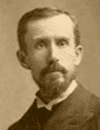
Martin Knapp preaches about the magnificent description of the New Jerusalem, the Bride of the Lamb, a real, holy, heavenly, glorious, walled, accessible, welcoming, memorial, spacious, golden, prohibition, adorned, illuminated, light-giving, enriched, well-watered, busy, royal, worshipping, capital