
The concept of the "Responsibility of Man" in the Bible encompasses the duties and obligations that individuals have towards God, themselves, and others. This responsibility is rooted in the biblical understanding of humanity's creation in the image of God (Genesis 1:26-27), which inherently grants humans dignity and a moral framework for living. In Genesis 2:15, Adam is placed in the Garden of Eden to "work it and take care of it," highlighting man's responsibility to steward creation. Moreover, throughout Scripture, this responsibility extends to moral and ethical dimensions, such as loving one's neighbor (Leviticus 19:18; Matthew 22:39) and fulfilling the Great Commission (Matthew 28:19-20). The New Testament emphasizes personal responsibility in faith and action, as seen in Galatians 6:5, which states, "For each will have to bear his own load." Ultimately, the biblical narrative suggests that human responsibility is not only about duty but also about relationship—reflecting God’s character in how we interact with others and steward the world entrusted to us.

Manley Beasley emphasizes the responsibility of man in relation to God's sovereignty, urging Christians to recognize that today is the day of salvation. He reflects on the immaturity within the Corinthian church, highlighting how their self-serving actions hindered the work of God. Beasley challenge
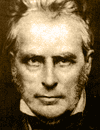
John Nelson Darby explores the Book of Genesis, emphasizing that it begins with God's creation of the heavens and the earth, without detailing His counsels or plans. He highlights the significance of man's responsibility, the distinction between the first Adam and Christ as the second Adam, and the

William MacDonald emphasizes the importance of having spiritual '20-20 vision' through seven correctional lenses that help us understand our purpose and responsibilities as Christians. He discusses the fear of the Lord, the love of Christ, the value of a soul, and the command to be ambassadors for C

D.L. Moody emphasizes the critical role of Christians as 'lower lights' in guiding others to safety, using the metaphor of a ship navigating through a stormy night. He recounts a harrowing tale of a steamer that failed to see the lower lights and ultimately crashed due to their absence, illustrating

Watchman Nee emphasizes that the Son of God was manifested to destroy the works of the devil, urging Christians to take responsibility in combating sin rather than resigning to fate. He warns against complacency in the face of biblical prophecies about apostasies, encouraging believers to actively r

G. Campbell Morgan emphasizes the profound lessons from the story of Jonah, focusing on God's mercy towards Nineveh and the responsibilities of His messengers. He highlights God's persistent patience and the need for obedience over personal prejudices, revealing that Jonah's anger stemmed not from i

A.B. Simpson emphasizes the responsibility of believers to share the blessings they have received from God, highlighting that every special revelation or healing is a sacred trust meant to be communicated to others. He encourages Christians to act as trustees of God's grace, sharing their experience

Charles Finney emphasizes the critical role of Christians as witnesses for God, explaining that their testimony is essential for establishing God's moral character and government in the world. He outlines the requirements for being a competent witness, including personal knowledge of God, consistenc

Chuck Smith emphasizes the role of believers as watchmen, drawing from Ezekiel 3:17, where God calls Ezekiel to warn Israel of their wickedness. He highlights that the responsibility of Christians is to hear God's word and share it, not to convert others, as that is the work of the Holy Spirit. Smit
A.B. Simpson emphasizes the urgent logic of missions, illustrating how the responsibility for spreading the Gospel falls on every believer. He argues that the world's moral and spiritual ruin is a direct consequence of our failure to share the message of salvation, which is accessible to all through