
Salvation theology is a profound exploration of God's redemptive plan for humanity, intricately woven throughout Scripture. At its core, salvation is presented as a gift of grace, as Paul articulates in Ephesians 2:8-9, emphasizing that it is not by works but through faith that we are saved. The concept of justification, underscored in Romans 5:1, reveals how believers are declared righteous before God through faith in Jesus Christ, who is the only way to salvation, as affirmed in John 14:6. This theological framework also encompasses sanctification, the ongoing process of becoming more like Christ, which is vital for every believer, as illustrated in Philippians 1:6. Furthermore, the Bible teaches about the necessity of repentance and faith, as seen in Acts 2:38, highlighting the response required from those who seek to embrace the salvation offered through the atoning sacrifice of Jesus. The rich tapestry of salvation theology invites believers to understand not only the mechanics of salvation but also the transformative power it holds in their lives, encouraging a life lived in obedience and holiness, as they reflect on the great things God has done for His people.

In this sermon, the preacher discusses the idea that people are inherently good and that doing one's best is enough for salvation. He shares a personal anecdote about receiving a massage as a birthday gift from his daughter. The preacher also mentions a missionary named Frank who questioned whether

Charles William Butler preaches about the importance of understanding holiness as an integral part of God's salvation provision, directly related to the blood of Christ and the work of the Holy Spirit. He emphasizes that holiness is as much a part of salvation as forgiveness and should not be relega

In this sermon, the speaker discusses the challenge of representing strong Christian beliefs in a world that passionately disbelieves them. He refers to the example of Paul preaching in Athens in Acts chapter 17 as a pattern for how Christians should deal with different beliefs in today's world. The

David Servant addresses the theological differences between Calvinism and non-Calvinism, highlighting the key points of contention such as predestination, irresistible grace, limited atonement, and eternal security. He emphasizes the importance of understanding God's drawing of individuals and the r
David Servant addresses the importance of not misinterpreting Jesus' words to fit personal doctrines, cautioning against extracting doctrines that contradict the rest of Scripture. He highlights how some groups, like Calvinists, may rely on selective verses to support their beliefs, overlooking the
David Shelby Corlett preaches about the ground of salvation, emphasizing that Jesus Christ's atonement through His sufferings, shedding of blood, and death on the cross is the only basis for salvation, as stated in 2 Corinthians 5:19, 21 and 1 Peter 3:18. He also discusses the inclusivity of the ato

Harald Lindström preaches about the importance of salvation through faith, emphasizing the distinction between justification and sanctification. He delves into Wesley's view of salvation, highlighting the foundational role of atonement in both forgiveness and the transformation of the soul. Wesley's

John R. Rice emphasizes the importance of salvation before baptism, refuting the practice of infant baptism by highlighting the absence of New Testament records supporting it. He discusses the cases of Lydia and the jailer in Acts 16, where households were baptized after hearing and believing in the
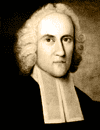
Jonathan Edwards preaches about the doctrine of justification by faith alone, emphasizing that we are justified solely by faith in Christ, without any reliance on our own goodness or works. He explains that justification involves being approved by God as free from the guilt of sin and having the rig

In this sermon, the preacher focuses on the concept of salvation from God's perspective. He begins by discussing what God did for us before time even began, emphasizing the idea that all things work together for good for those who love God. He then moves on to what God did for us in time, highlighti

Lewis Sperry Chafer preaches about the comprehensive nature of salvation, which goes beyond just forgiveness of sins to include deliverance from the power of sin and the transformation of believers into the image of Christ. He emphasizes the importance of understanding the various aspects of salvati

In this sermon, the preacher emphasizes that God's ultimate subject is His Son, Jesus Christ. The sermon is based on the book of Hebrews, particularly focusing on chapter 3 and chapter 4. The preacher highlights Jesus as the vocal expression of God's force, the vested inheritor of God's universe, an

William Gadsby preaches about the great mysteries of salvation that many struggle to comprehend, including God's saving power for even the worst sinners, the method of salvation through God's electing love, and the role of God the Spirit in revealing and maintaining salvation in the hearts of believ