
Spiritual loss, a profound sense of disconnection from God, is a significant theme in the Bible, often resulting from sin, suffering, or unfulfilled expectations. The Psalmist laments, "Why, O Lord, do you stand far away? Why do you hide yourself in times of trouble?" (Psalms 10:1), expressing the anguish of feeling abandoned by God. However, the Bible also offers reassurance that even in the midst of spiritual loss, God remains faithful and works for the good of those who love Him, as Romans 8:28 affirms, "And we know that for those who love God all things work together for good." Through the example of the prodigal son, Jesus teaches that spiritual loss can be a catalyst for repentance and restoration, as seen in Luke 15:24, where the father rejoices, "For this son of mine was dead and is alive again; he was lost and is found."

Thomas Brooks emphasizes that sin is the greatest thief, robbing humanity of its most precious gifts, including the holy image of God, divine sonship, friendship with God, communion with Him, and ultimately, glory. He illustrates how sin has not only affected Adam but has also led all mankind into a

Paul West reflects on Charles Spurgeon's sermon, emphasizing the monstrous nature of sin that leads people to live as if God does not exist. He highlights the alarming reality that many individuals neglect God entirely, failing to consider His presence in their actions or the consequences of their c
Phil Beach Jr. emphasizes the importance of recognizing and abhorring sin in our lives, illustrating this through the story of Amnon and Tamar in 2 Samuel 13. He explains that the conflict within Christians arises from the struggle between allegiance to God and self, and that true freedom comes from
Phil Beach Jr. emphasizes the importance of understanding the human heart's sinful nature and the tendency to blame external circumstances for our actions. He explains that true wisdom and instruction come from recognizing our inherent sinfulness and the need for Christ's redemptive power in our liv
Thomas Brooks emphasizes that true repentance involves a deep awareness of the sinfulness of sin and its destructive consequences, contrasting the nature of God with the nature of sin. He explains that true repentance is marked by sorrow, contrition, and a loathing of both sin and oneself, leading t
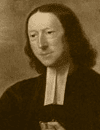
John Wesley explores the pervasive influence of the 'mystery of iniquity' that has infiltrated humanity since the fall of man, emphasizing that while God created man upright, sin has spread throughout the earth. He highlights the redemptive work of Christ as the antidote to this iniquity, yet notes

Shane Idleman passionately pleads for full surrender to Christ, emphasizing that true freedom comes from fearing God rather than man. He warns against the deceptive nature of sin, which grows if not actively dealt with, and encourages believers to repent and believe in the gospel. Idleman highlights
Peter Brandon addresses the question of what it means to be 'saved,' emphasizing that true salvation is not merely physical but spiritual, rooted in faith in Jesus Christ. He explains that all humanity is in need of salvation due to sin, which separates us from God, and that Jesus came to save sinne

Winkie Pratney explores the nature of sin, tracing its origins back to Adam and Eve's disobedience in the Garden of Eden. He emphasizes that sin is not a natural part of humanity but a moral failure that leads to both physical and spiritual death. Pratney explains that while physical depravity is in

Art Katz addresses the sensitive topic of who is responsible for the death of Jesus, emphasizing that the New Testament implicates all of humanity, including the Jewish people, in this act. He reflects on the historical consequences of the 'Christ-killer' label and the need for acknowledgment of thi