
Spiritual poverty, a state of humility and recognition of one's dependence on God, is a fundamental concept in the Christian faith, as seen in the beatitude "Blessed are the poor in spirit, for theirs is the kingdom of heaven" (Matthew 5:3). This idea is reinforced in Psalms 51:17, which states that "the sacrifices of God are a broken spirit, a broken and contrite heart," highlighting the importance of humility in one's relationship with God. As expressed in 2 Corinthians 12:9-10, spiritual poverty can also involve embracing weakness and vulnerability, allowing believers to rely on God's strength and provision, rather than their own abilities. Through spiritual poverty, Christians can experience a deeper sense of intimacy and dependence on God, as they acknowledge their limitations and surrender to His will.

Leonard Ravenhill emphasizes the profound simplicity and necessity of prayer, asserting that it is the language of the poor and a confession of spiritual poverty. He argues that those who are self-sufficient and self-satisfied do not pray, while true prayer acknowledges our dependence on God. Ravenh
Leonard Ravenhill emphasizes the significance of being 'poor in spirit' as taught by Jesus in the Sermon on the Mount. He reflects on the importance of humility and recognizing our spiritual poverty, which leads to a deeper reliance on God. Ravenhill contrasts the external kingdoms built on power an

Joseph Carroll emphasizes the concept of being 'poor in spirit' as a vital Christian attitude, contrasting it with worldly views of success and blessedness. He reflects on the story of Achan from Joshua 7, illustrating the necessity of obedience and the consequences of sin for the greater good of th
Phil Beach Jr. emphasizes the profound love of God demonstrated through the sacrifice of Jesus Christ, highlighting that this love came at a great cost, as Jesus bore our sins and experienced separation from the Father. He explains that true spiritual poverty leads to mourning and meekness, urging b

A.W. Pink introduces the Beatitudes by emphasizing their significance in the Sermon on the Mount, which serves as both a teaching for believers and a challenge to the legalistic views of the Pharisees. He highlights that Christ's message reveals the true spirituality of the Law and the necessity of
A.W. Pink emphasizes the paradox of being 'poor yet rich' in Christ, highlighting that true humility and acknowledgment of our spiritual poverty are essential for receiving God's abundant grace. He contrasts the self-sufficient attitude of the proud with the blessedness of those who recognize their

Chuck Smith emphasizes the significance of being 'poor in spirit' as a prerequisite for entering the kingdom of heaven. He explains that true humility and recognition of our spiritual poverty are essential, contrasting this with worldly notions of self-reliance and confidence. Smith illustrates that
A.W. Pink emphasizes the profound truth of the first Beatitude, 'Blessed are the poor in spirit: for theirs is the Kingdom of heaven,' highlighting that true blessedness comes not from worldly success but from recognizing our spiritual poverty and dependence on God. He contrasts the humble spirit wi

C.H. Spurgeon emphasizes that true faith often flourishes among the afflicted and poor, who learn to trust in the name of the Lord when worldly wealth fails them. He highlights that those who recognize their spiritual poverty and affliction are the ones who can truly rely on God's name, which serves
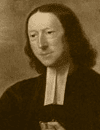
John Wesley expounds on the Sermon on the Mount, emphasizing the profound teachings of Jesus as He addresses the multitudes from a mountain. Wesley highlights the significance of being 'poor in spirit' and 'mourning' as essential steps toward receiving the kingdom of heaven and comfort from God. He