
The Atonement of Jesus is a central doctrine in Christian theology, referring to the redemption and reconciliation of humanity with God through the life, death, and resurrection of Jesus Christ. As stated in Romans 5:8, "God demonstrates his own love for us in this: While we were still sinners, Christ died for us," highlighting the selfless act of Jesus' sacrifice on the cross to atone for humanity's sins. This concept is further reinforced in 2 Corinthians 5:21, which declares, "God made him who had no sin to be sin for us, so that in him we might become the righteousness of God," and is rooted in the prophetic foreshadowing of Isaiah 53:5, which foretells of the Messiah's suffering and sacrifice for the redemption of humanity. Through the atonement, Christians believe that Jesus' sacrifice has provided forgiveness and salvation, allowing believers to have a personal relationship with God and eternal life.
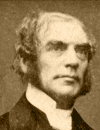
Octavius Winslow emphasizes that Jesus is our peace, highlighting the importance of understanding that true peace comes not from our own efforts but from Christ himself. He explains that peace is a foundational grace of the Spirit, accessible to believers even in the absence of joy, and that it is t

Shane Idleman emphasizes that amidst the chaos of life, especially during the Christmas season, Jesus Christ is the only solid foundation that offers true peace and rest. He draws parallels between the anticipation of the Messiah in the Old Testament and the fulfillment of that promise in the birth

D.L. Moody emphasizes the importance of being rooted in the Word of God to maintain peace and avoid being easily offended. He points out that those who neglect their Bible study are often disturbed by minor troubles and persecutions, while those who love God's law experience great peace. Moody illus
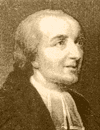
John Wesley reflects on the life and death of the Rev. Mr. John Fletcher, emphasizing his exemplary character as a 'perfect and upright man' whose life was marked by faith, love, and unwavering dedication to God. Wesley contrasts the peaceful end of Fletcher's life with the fate of the wicked, illus

John Nelson Darby emphasizes the significance of Christ speaking from heaven, contrasting it with His earthly voice. He warns that those who turn away from this heavenly voice will face dire consequences, as it signifies the removal of all that opposes God. The sermon highlights the believer's bless

George Fox emphasizes that humanity, in its fallen state, is engulfed in wars and strife, but through the truth found in Christ, peace can be restored. He contrasts the eternal, unchanging nature of the 'everlasting seed of God' with the transient struggles of those who remain in the fall. Fox calls
D.L. Moody illustrates the concept of peace through a story of French sailors who, despite being in distress, hesitated to enter an English port due to fear of war. They eventually learned that peace had been declared, paralleling how many people fail to believe in the peace Jesus offers through His
John Nelson Darby explores the profound struggle of understanding and abiding in God's grace, emphasizing that true peace comes from recognizing we are not under law but under grace. He highlights the importance of remaining in God's presence to fully grasp the depth of His grace, which allows belie

F.B. Meyer preaches on the theme 'He Giveth Quietness,' emphasizing that God provides peace amidst the accusations of Satan, the storms of life, and the loss of inward consolations. He illustrates how the great accuser tries to overwhelm us with guilt and doubt, but Christ intercedes for us, offerin
John Nelson Darby emphasizes the profound peace that Jesus offers to His disciples, who were in fear and confusion after His crucifixion. He explains that true peace comes from recognizing our lost condition and the necessity of a Savior, which is fulfilled in the cross of Christ. The resurrection o