
The Fall of Man is a pivotal biblical concept that describes the disobedience of Adam and Eve in the Garden of Eden, as recorded in Genesis 3:1-7, which led to the entrance of sin and suffering into the world. This event is seen as a turning point in human history, resulting in humanity's separation from God and the need for redemption, as emphasized in Romans 5:12-19. The Fall of Man is also referenced in other biblical passages, such as Psalms 51:5, which acknowledges the inherent sinfulness of humanity, and serves as a foundation for the Christian doctrine of original sin and the need for salvation through Jesus Christ. Through this narrative, the Bible highlights the consequences of human rebellion against God, while also foreshadowing the promise of redemption and restoration, as seen in Genesis 3:15, which speaks of the future victory of God's people over evil.

Thomas Brooks preaches about the profound impact of Adam's fall, emphasizing that Adam's initial state was one of perfect knowledge, holiness, and happiness. However, through his disobedience, humanity lost five critical aspects: our holy image, divine sonship, friendship with God, communion with Hi
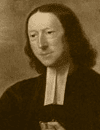
John Wesley preaches on the Fall of Man, explaining that pain and suffering in the world are a direct result of sin, which entered through Adam's choice to rebel against God. He emphasizes that humanity was created in God's image with free will, and it was this liberty that led to the choice of evil
Thomas Brooks emphasizes the tragic transformation of humanity from the pinnacle of creation to the depths of depravity following the fall. He describes how man, once created in God's image and filled with holiness, has become an abomination to God and a burden to heaven, enslaved by sin and Satan.

John Gill preaches on Genesis 3:22, emphasizing Jehovah's declaration that man has become like one of us, reflecting on the fall of humanity and the profound consequences of sin. He explores the nature of God speaking to Adam, the implications of man's lost state, and the prevention of Adam from acc

G.W. North discusses the profound consequences of Adam's choice to disobey God by eating the forbidden fruit, which led to the loss of wisdom and the introduction of folly into humanity. Adam's act not only resulted in his own spiritual downfall but also sold out the entire human race to sin and ign
Thomas Brooks emphasizes the profound truth that every man, at his best state, is ultimately vanity, as stated in Psalms 39:5. He reflects on the fall of Adam, illustrating how humanity has devolved from its original glory to a state of emptiness and insignificance, likening man to dust, a shadow, a

Shane Idleman delivers a powerful sermon titled 'I Am Barabbas. and So Are You,' emphasizing the profound truth that we, like Barabbas, are guilty and deserving of death, yet Jesus took our place on the cross. He explores the nature of sin, temptation, and the difference between remorse and true rep

J.C. Ryle emphasizes the critical importance of understanding sin as the foundation of Christian holiness. He argues that a clear view of sin is essential for grasping doctrines like justification and sanctification, as it reveals the true nature of human corruption inherited from Adam. Ryle warns a

George Matheson emphasizes that true remembrance of our past sins comes only after we have received a new heart from God. He explains that the process of transformation leads us to reflect on our previous wrongdoings only after we have experienced spiritual renewal and growth. This memory serves as
John Gill discusses the transition from the Old Covenant to the New Covenant, emphasizing that the Old Covenant was never intended to be permanent but was a temporary administration leading to Christ. He explains that the Old Covenant was limited in scope and effectiveness, serving as a shadow of th