
The concept of "The Light of the World" is a significant theme in the Bible, particularly in the New Testament, where Jesus Christ is referred to as the light that shines in the darkness (John 1:4-5, John 8:12). This designation emphasizes Jesus' role as the source of spiritual illumination, guiding believers through the complexities of life and providing them with hope and redemption. As stated in Matthew 5:14-16, Jesus instructs his followers to be a reflection of his light, sharing the message of salvation with others and demonstrating their faith through good works. Through his teachings and ministry, Jesus embodies the light of God's love and mercy, as expressed in Psalms 27:1, where the Psalmist affirms that the Lord is his light and salvation.

John Nelson Darby emphasizes the profound significance of the opening chapter of the Gospel of John, which asserts the personal glory of Jesus as both God and man. He explains that Jesus, the Word, existed before creation and is the source of life and light for humanity, distinguishing Him from all

John Gill expounds on 1 John 5:7, emphasizing the significance of the heavenly witnesses--the Father, the Word, and the Holy Ghost--who testify to the divinity and sonship of Jesus Christ. He addresses the textual controversies surrounding this verse, defending its authenticity against claims of omi
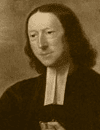
John Wesley emphasizes the importance of knowing Christ not merely as a man but as the divine Son of God, urging believers to view all people, including Christ, in their spiritual state rather than their earthly attributes. He warns against the dangers of treating Christ with familiarity that dimini

C.H. Spurgeon emphasizes that the character of Jesus commands respect even from those who oppose his teachings, presenting a unique challenge to critics who can refute his doctrine but cannot deny his divine nature. Despite their attempts to criticize his teachings, they find themselves unable to ac

Chuck Smith emphasizes that the declaration 'Truly this was the Son of God' is supported by prophecy, the life of Jesus, His death, and personal experiences today. He highlights the overwhelming number of prophecies concerning Christ, the testimonies of those who witnessed His miraculous acts, and t
Chuck Smith emphasizes the profound truth of Jesus as the Son of God, detailing His miraculous birth, marvelous life, and supernatural ministry. He highlights the significance of Jesus' atoning death, which was foretold by over 300 prophecies, and the miraculous events that accompanied it. Smith arg

J.C. Ryle emphasizes the eternal nature of Jesus Christ as the Word, who existed before creation and is distinct yet one with God the Father. He highlights that Christ is not a created being but the very God who created all things and is the source of spiritual life and light for humanity. Ryle urge
John Nelson Darby emphasizes the profound truth of Jesus' declaration 'Before Abraham was, I am,' highlighting the ignorance of the Jews who failed to see beyond their limited understanding of appearances. He explains that this statement encapsulates the essence of Christ's divine nature and existen
John Nelson Darby addresses Mrs. Ord regarding the distinction between Christ's kingdom as Man and His divine glory as God, emphasizing that the kingdom given to Christ is separate from His Godhead. He explains that while Christ's dominion is established through His resurrection, it does not diminis

Andrew Murray emphasizes that God is the essence of love, demonstrating His selflessness by continually giving to His creation. He illustrates how God's love is evident in nature and in the divine relationship within the Trinity, where the Father, Son, and Holy Spirit embody and express love. Murray