
The biblical concept of the nature of love is deeply rooted in the character of God, who is described as love itself (1 John 4:8). According to Scripture, love is not merely a sentimental emotion, but a selfless and sacrificial act, as exemplified by God's gift of His only Son, Jesus Christ, to redeem humanity (John 3:16). The Bible teaches that love is a fundamental aspect of the Christian faith, as believers are called to love God with all their heart, soul, and mind, and to love their neighbors as themselves (Matthew 22:37-40). Through the example of Christ's love, believers are empowered to demonstrate unconditional love and compassion to others, reflecting the very nature of God's love, which is patient, kind, and enduring (1 Corinthians 13:4-7).

G. Campbell Morgan explores the profound messages of the Song of Songs, emphasizing that it reveals the true nature of human love and unveils the highest religious experience. He highlights the foundations, strength, methods, and experiences of love, illustrating how human affection mirrors the divi

Phil Beach Jr. emphasizes the necessity of embracing the wounds that come from love in his sermon 'Building the House of God - the Many Wounds of Love - Part 1.' He shares a poignant story about a couple who foster and adopt children, illustrating how love often leads to pain and sacrifice. Beach en

J.C. Ryle emphasizes the paramount importance of love in the Christian faith, asserting that it is the greatest of all graces, surpassing faith and hope. He outlines the biblical perspective on love, clarifying misconceptions and highlighting its true nature as selfless, patient, and enduring. Ryle

William Law emphasizes the profound nature of the Spirit of Love, arguing that true love is an eternal will to goodness that reflects God's immutable nature. He addresses common objections regarding the attainability of pure love and the apparent contradictions in scripture about God's justice and l

R.A. Torrey emphasizes the paramount importance of love in his sermon 'Love Contrasted, Described, Exalted,' based on 1 Corinthians 13. He outlines how love is indispensable, contrasting it with spiritual gifts, knowledge, faith, generosity, and even martyrdom, asserting that without love, these act

J.R. Miller emphasizes the unparalleled nature of God's love in his sermon 'The Greatest Love,' illustrating how love is the greatest force in the world, enduring beyond all else. He reflects on the various forms of human love, asserting that they are mere fragments of the divine love that originate
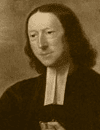
John Wesley emphasizes the paramount importance of charity, or love, in the Christian faith, arguing that without it, all other virtues and actions are meaningless. He explains that true charity is a selfless love for others that springs from the love of God, and it cannot be replaced by eloquence,
John Wesley preaches on the paramount importance of love in the Christian life, emphasizing that even the most sacrificial acts, such as giving all to the poor or martyrdom, are meaningless without love. He warns that many may hear the message but fail to internalize it, risking spiritual emptiness.

A.W. Tozer addresses the misconception of love in modern society, which has reduced it to mere sexual attraction and emotional whims, often influenced by Hollywood's portrayal of relationships. He emphasizes that true love is a deliberate choice and a benevolent principle governed by the will, rathe

A.B. Simpson emphasizes the paramount importance of love in the Christian life, drawing from the teachings of the Apostle John and the Apostle Paul. He illustrates that love is not merely a natural quality but a divine gift from the Holy Spirit, essential for fulfilling God's commandments and embody

C.H. Spurgeon emphasizes that as believers who have received a new and heavenly life, we are called to demonstrate a higher standard of living that reflects our faith. He challenges Christians to show that their lives are distinct from those of the unregenerate by embodying love and goodness in thei

John Nelson Darby expounds on 1 Corinthians 13, emphasizing the distinction between gifts and grace, and the paramount importance of love in the Christian life. He illustrates that while one may possess faith and power, without love, these gifts are meaningless. Darby describes love as a divine, sov

Charles Finney emphasizes the profound nature of Christian love, distinguishing between benevolence and complacency, and asserting that true love is the fulfillment of God's law. He explains that love can manifest as both an affection of the will and an involuntary emotion, and that perfect love lea