
The power of the Holy Spirit is a transformative force in the life of every believer, enabling them to live out their faith with boldness and authenticity. As Jesus promised in Acts 1:8, "But you will receive power when the Holy Spirit has come upon you, and you will be my witnesses..." this divine empowerment equips Christians to fulfill the Great Commission. The Apostle Paul emphasizes the significance of the Spirit in Romans 8:2, stating, "For the law of the Spirit of life has set you free in Christ Jesus from the law of sin and death," highlighting the liberating work of the Holy Spirit in our lives. Furthermore, in Ephesians 3:20, Paul reminds us that God is able to do "exceedingly abundantly above all that we ask or think, according to the power that works in us," illustrating the limitless potential available through the Spirit's influence. The Holy Spirit also guides believers in their daily walk, as described in Galatians 5:16, where Paul instructs, "Walk by the Spirit, and you will not gratify the desires of the flesh." Ultimately, the Holy Spirit not only empowers but also sanctifies, leading us into a deeper relationship with Christ and equipping us to confront the darkness of this world with His light.
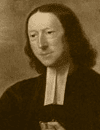
John Wesley preaches 'Awake, Thou That Sleepest' to the University of Oxford, urging the unawakened sinners to recognize their spiritual slumber and the dire state of their souls. He describes the 'sleepers' as those who are unaware of their fallen condition and the necessity of spiritual awakening

Brian Guerin emphasizes that it's all about Jesus, encouraging the congregation to expect a powerful move of the Holy Spirit in their lives. He speaks about the importance of living a pure life, being filled with the Holy Spirit, and the necessity of aligning oneself with God's will in these times.

F.B. Meyer emphasizes the profound faith and obedience of Mary, the mother of Jesus, as she responds to the angel's message with the words, 'Be it unto me according to thy Word.' He explores the implications of this submission to God's commands, responsibilities, and burdens, urging believers to emb

Peter Brandon preaches on the story of a widow who, in her time of desperation, seeks help from the prophet Elisha after losing her husband and facing the threat of losing her sons to creditors. He emphasizes the importance of recognizing what we have, even in our poverty, as the widow discovers a p
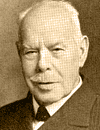
Smith Wigglesworth emphasizes the transformative power of God as revealed in Ephesians 3, highlighting the inclusion of Gentiles as co-heirs in Christ. He speaks of the necessity of the Holy Spirit's work in our lives, urging believers to embrace a new order of faith that allows for boldness and acc
Brian Guerin emphasizes the need for authentic Christianity, urging believers to embrace the fullness of Jesus and the power of the Holy Spirit. He shares personal experiences of divine encounters and miracles, encouraging the congregation to seek intimacy with God and to be open to the Holy Spirit'
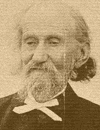
Andrew Murray emphasizes the transformative journey of Peter from a carnal to a spiritual life, marked by his bitter weeping after denying Christ. This crisis moment serves as a pivotal turning point, illustrating the struggle between living under the flesh versus the Spirit. Murray highlights that

A.W. Tozer addresses the issue of 'religious word-rationing,' emphasizing that many religious individuals often use excessive words as a substitute for meaningful actions. He reflects on the tendency to speak eloquently in prayer meetings, where flowery language can overshadow genuine communication
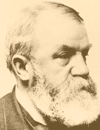
D.L. Moody emphasizes the transformative power of the Holy Spirit in witnessing to Christ, asserting that the greater works Jesus spoke of refer to influencing and converting the hearts of sinful men rather than performing physical miracles. He reflects on the miracle of Pentecost, where Peter, empo
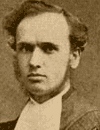
A.B. Simpson emphasizes that the life of Jesus Christ, through the Holy Spirit, introduces a new law of divine strength that liberates believers from the old law of sin and death. He illustrates this by comparing the law of gravity, which naturally pulls objects down, to the higher law of vitality t

John Nelson Darby reflects on Acts 4, highlighting the stark contrast between the ecclesiastical authority of Israel, which opposes the truth and the power of God, and the courage and faith of the apostles filled with the Holy Spirit. He emphasizes the audacity of the priests who, despite witnessing
A.W. Tozer addresses the rise of evangelical intellectualism, critiquing the belief that the essence of Christianity can be fully understood through human intellect and philosophy. He argues that this movement, driven by a desire to gain respectability among scholars, risks reducing the profound tru
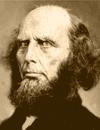
Charles Finney emphasizes the significance of the primitive prayer-meeting held by the disciples after Christ's ascension, where they gathered in unity to pray for the outpouring of the Holy Spirit. He highlights the characteristics of this meeting, including the full participation of all members, t
A.W. Tozer emphasizes the importance of personal experience with God over mere hearsay, illustrating that true understanding comes from firsthand encounters rather than secondhand knowledge. He warns that many Christians today are educated in the theory of the Spirit-filled life but lack the actual

David Wilkerson emphasizes that light is the only force that can conquer darkness, as illustrated in Isaiah and John. He explains that light symbolizes understanding and that the Holy Spirit empowers believers to overcome the challenges posed by darkness and fear. Wilkerson encourages Christians to