
Worship and glory are central themes woven throughout Scripture, reflecting the profound relationship between God and His creation. In Psalms 29, the psalmist calls upon the heavenly beings to ascribe glory and strength to the Lord, highlighting the majesty of God as revealed in the splendor of His creation (Psalms 29:1-2). Worship is not merely an act of reverence; it is a response to the recognition of God’s glory, as seen in Isaiah 6:3, where the seraphim proclaim, 'Holy, holy, holy is the Lord of hosts; the whole earth is full of His glory.' This divine glory invites believers into a deeper communion with God, as Paul emphasizes in Romans 12:1, urging Christians to present their bodies as living sacrifices, holy and pleasing to God, which is their spiritual worship. Furthermore, Jesus teaches in John 4:24 that true worshipers will worship the Father in spirit and truth, indicating that authentic worship transcends mere ritual and is rooted in a heart aligned with God's truth. Ultimately, the culmination of worship and glory is found in Revelation 5:12, where the multitude sings praises to the Lamb, declaring worthiness and glory, emphasizing that all creation exists to glorify God. Thus, understanding worship and glory is essential for every believer, as it shapes our identity and purpose in Christ.
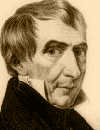
Henry Law preaches about the mighty voice of Jehovah, which is heard in the storms of nature, the outgoings of grace, and the terrors of the dissolving world, calling for our ears to be open. The high ones of the earth are urged to give glory and strength to the Lord, worshiping Him in the beauty of