
Fallow ground is land that could bear a crop but lies hard and unused, and the prophets use it as a picture of the heart. The preachers quoted here explain that it is broken up by self-examination, confession and turning from sin, that God uses His word, His Spirit and affliction as the plough, and that the purpose is a harvest when He sends righteousness like rain.
To break up your fallow ground is to deal with a heart that has grown hard and unfruitful, so that the word of God can enter it and bear fruit. It is done by honest self-examination, confession of sin and turning from it, in dependence on God. The call comes from the prophet Hosea: "Sow for yourselves righteousness and reap the fruit of loving devotion; break up your unplowed ground. For it is time to seek the LORD until He comes and sends righteousness upon you like rain." (Hosea 10:12). Charles Finney said of a heart that has grown hard, "It is this softening of the heart, so as to make it feel the truth, which the prophet calls breaking up your fallow ground."1
The words of the prophets
The picture is used twice in Scripture. Hosea spoke to Israel, a people who had sown the wrong seed. He told them, "You have plowed wickedness and reaped injustice; you have eaten the fruit of lies." (Hosea 10:13). Jeremiah gave the same call to Judah: "Break up your unplowed ground, and do not sow among the thorns." (Jeremiah 4:3). Older translations say fallow ground where the Berean Standard Bible says unplowed ground. John Calvin wrote, "The Prophet then ought, according to the order of nature, to have begun with ploughing; but he simply said what he wished to convey, that the Israelites received not the fruit they desired, because they had only sown unrighteousness."2 He wrote that Jeremiah "bids them wholly to shake off their vices, which were hid within, according to what they do, who tear up thorns and briers in a field, which has been long neglected, and left without being cultivated."3 J.R. Miller wrote, "The fallow ground must be broken up, before there can be any harvest."4 He added, "The hard heart must be broken with penitence, to receive the good seed of the kingdom."5
What fallow ground is
Finney said, "Fallow ground is ground which has once been tilled, but which now lies waste, and needs to be broken up and mellowed, before it is suited to receive grain."1 Leonard Ravenhill said, "Fallow ground is ground that has been fruitful, and then it has been plowed over, and no seed has been sown in it, and therefore it has become unproductive."6 It is not desert. It is land that could bear a crop and does not. Charles Spurgeon said, "An occasional fallow has its benefits in the world of Nature, but if the proprietor of rich and fruitful land allowed the soil to continue fallow year after year, we would judge him to be out of his wits!"7 Billy Sunday said, "Break up your fallow ground, the ground that produces nothing but weeds, briars, tin cans and brick-bats."8 A.W. Tozer said of such a field, "Its potentialities are tremendous, but it's not getting anything done to it, so it lies there."9 He added, "No miracle of life is present here, because it's lying fallow, it has protected itself."9
A picture of the heart
The prophets were not speaking about farming. They were speaking about people. Finney said, "Sometimes your hearts get matted down hard and dry, and all run to waste, till there is no such thing as getting fruit from them till they are all broken up, and mellowed down, and fitted to receive the word of God."1 Matthew Henry wrote, "An unhumbled heart is like ground untilled."10 He went on, "It is ground which may be improved; it is our ground let out to us; but it is fallow; it is over-grown with thorns and weeds, the natural product of the corrupt heart."11 Spurgeon said, "Our hearts are like a field and if we let them alone the only crop we shall get will be the natural weeds of the soil together with those tares which the evil spirit is quite sure to scatter whether we sow good seed or not."12 A heart does not need to be planted with weeds. Left to itself it grows them. Scripture describes the same thing in a field: "Thorns had grown up everywhere, thistles had covered the ground, and the stone wall was broken down." (Proverbs 24:31).
How a heart becomes fallow
It happens through neglect more than through open rebellion. Spurgeon said, "If you wish to be ruined in your spiritual farming, you need not sow thorns—you have only to leave your soul fallow and you will starve when the great harvest comes!"7 He added, "Fallow ground in human nature naturally and of itself will work famine and bankruptcy for every man who lets it have its own way."7 Hebrews warns believers to exhort one another daily, "so that none of you may be hardened by sin's deceitfulness." (Hebrews 3:13). Richard Baxter wrote, "The Heart is naturally hard, and grows harder by Custom in Sin, especially by long Abuse of Mercy, Neglect of the Means of Grace, and resisting the Spirit of Grace."13 A.W. Pink wrote, "Any great sin lying long upon the conscience, unrepented of, or not repented of as the matter requires, only furthers our indwelling corruptions: neglect causes the heart to be hardened."14 Tozer described the Christian who is content with himself: "God can't even plow him, because he's too well-satisfied with himself."9 Of such people he said, "No, no upward rush of spiritual life, but they've remained just what they were because they've protected themselves from the plow."9 He added, "They won't let the Holy Ghost get to them."9
Why the ground must be broken first
Seed thrown on hard ground is lost. Jesus spoke of seed that "fell on rocky ground, where it did not have much soil." (Matthew 13:5). John Owen wrote, "If the fallow ground be not broken up, it is to no purpose to sow the seed of the gospel."15 Harry Ironside wrote, "The fallow ground must first be broken up before it is ready for the good seed of the Gospel."16 Pink wrote, "The hard heart must be ploughed and harrowed before it can be receptive to the gospel seed."17 Matthew Mead wrote, "The plough of conviction must go deep, and make deep furrows in the heart, before God will sow the precious seed of grace and comfort there, that so it may have depth of earth to grow in."18 Thomas Watson described the man whom God calls: "A man is convinced of sin, he sees he is a sinner and nothing but a sinner; the fallow ground of his heart is broken up."19 Spurgeon asked, "Without plowing what is the use of sowing?"12 To the hearer who had never known a broken heart he said, "You are not prepared for that step—you must first be plowed."12 He said of preachers who offer comfort without conviction, "They have sown on the unbroken fallow ground and forgotten that the plough must break the clods."20 In another sermon he said, "The soul-saving work, the work which lasts, is that where God plows deeply into the conscience and sows the good Seed of the Kingdom in the heart."21 Miller wrote, "Human hearts are hard, and the first tool which must go over them, must be a plough, that they may be broken up and softened."22
Looking at the heart
The work begins with honest self-examination. Scripture says, "Let us examine and test our ways, and turn back to the LORD." (Lamentations 3:40). David prayed, "Search me, O God, and know my heart; test me and know my concerns." (Psalm 139:23). Finney said, "If you mean to break up the fallow ground of your hearts, you must begin by looking at your hearts--examine and note the state of your minds, and see where you are."1 He said of many Christians, "They pay no attention to their own hearts, and never know whether they are doing well in religion or not--whether they are gaining ground or going back--whether they are fruitful, or lying waste like the fallow ground."1 A general glance will not do. He said, "I do not mean that you should just cast a glance at your past life, and see that it has been full of sins, and then go to God and make a sort of general confession, and ask for pardon."1 The sins are to be taken one by one. He added, "You cannot look at your sins long and thoroughly, and see how bad they are, without feeling, and feeling deeply."1
Confession and putting things right
What is found must be confessed and forsaken. "He who conceals his sins will not prosper, but whoever confesses and renounces them will find mercy." (Proverbs 28:13). Finney said, "The very act of confession, by the laws of suggestion, will bring up others to your memory."1 Some sins are against other people, and Jesus taught that these must be dealt with: "First go and be reconciled to your brother; then come and offer your gift." (Matthew 5:24). Finney said, "If you find you have committed a fault against an individual, and that individual is within your reach, go and confess it immediately, and get that out of the way."1 He said, "In breaking up your fallow ground, you must remove every obstruction."1 He added, "It will be of no benefit to examine yourself, unless you determine to amend in every particular that you find wrong in heart, temper, or conduct."1 Richard E. Bieber wrote, "Repentance is not just feeling sorry every time you spill the milk."23 He went on, "Repentance is making changes in your ways so you don't spill the milk all the time."23 And again, "Repentance is turning your life and getting it back on course."23
Do not sow among thorns
Jeremiah adds a second command. The ground is to be broken, and the thorns are to come out. Alexander Maclaren wrote, "But sowing is not all; thorns must be grubbed up."24 He added, "We must not only turn over a new leaf, but tear out the old one."25 Thomas Manton wrote, "Weeds must be rooted out before the ground is fit to receive the seed"26. Henry wrote, "Sin must be put away out of the heart, else it is not put away out of God's sight, for the heart is open before him."27 J. Edwin Orr wrote, "One of the great weaknesses of many forms of ministry today is the attempt to sow good seed among thorns."28 He went on, "The thorns generally continue springing up, and the seed is choked thereby, despite the good intention of the human sower."28 A person who adds prayer and Bible reading to a life in which known sin is left alone is sowing among thorns. The next verse in Jeremiah calls for a change in the heart itself: "Circumcise yourselves to the LORD, and remove the foreskins of your hearts, O men of Judah and people of Jerusalem." (Jeremiah 4:4).
Where preachers differ
The preachers on this site agree that the ground must be broken. They differ on how far a person can do it. This touches the old question of what God does and what man does, and both sides are given here.
Some lay the weight on the command. It is addressed to people, and they are to obey it. Finney said, "You need not expect that God will work a miracle for you to break up your fallow ground."1 He added, "It is to be done by means."1 He said, "If you wish to break up the fallow ground of your hearts, and make your minds feel on the subject of religion, you must go to work just as you would to feel on any other subject."1 Ravenhill said of the text, "there is a human emphasis here"6. Tozer said, "Now, that cruel plow, the odd thing about that is you've got to use it yourself."9
Others lay the weight on the work of God. Ralph Erskine said of the Holy Spirit, "It is he that ploughs up the fallow ground of the heart, and brings in the wilderness, and turns it into a fruitful field."29 Spurgeon said, "You cannot destroy weeds by exhortations, nor can you tear out the roots of sin from the soul by moral suasion; something sharper and more effectual must be brought to bear upon them."30 He added, "God must put his own right hand to the plough, or the hemlock of sin will never give place to the corn of holiness."31 He told his hearers, "It is in vain to sow unto yourselves till the soil has been prepared by our Father, who is the Farmer."12 He said, "no harvest ever comes till the soil is broken up and made receptive of the Truth of God by the Spirit of God."12 God Himself promises, "I will give you a new heart and put a new spirit within you; I will remove your heart of stone and give you a heart of flesh." (Ezekiel 36:26).
Several hold the two together. Calvin wrote on the command to sow righteousness that "the Prophet explains not here how far the ability of men extends, but requires what they ought to do"32. Spurgeon wrote, "It is God who calls you to break up the fallow ground of your uncultivated heart, and he waits to aid you therein."33 In a sermon on Hosea's words he said, "I understand by this that the plowing and the sowing are ours, but these are nothing without the heavenly rain of Grace."34 Paul puts both sides in one sentence. He tells believers to work out their salvation with fear and trembling, "For it is God who works in you to will and to act on behalf of His good purpose." (Philippians 2:13). On either view, no one is told to wait and do nothing.
The plough of the word and the Spirit
God breaks hard hearts by His word. He asks whether His word is not "like a hammer that smashes a rock?" (Jeremiah 23:29). Jesus said of the Holy Spirit, "And when He comes, He will convict the world in regard to sin and righteousness and judgment:" (John 16:8). Octavius Winslow wrote, "The ploughshare of the Word is inserted, the surface turned up, the fallow ground broken, and the Christian is led to see more of the deep depravity and sinfulness of his nature."35 Spurgeon said, "You cannot get a harvest if you are afraid of disturbing the soil, nor can you save souls if you never warn them of hell fire."36 Vance Havner wrote, "Breaking up the ground is never a pleasant, comfortable business, and churches sometimes resent the plow of plain preaching."37 At Pentecost the plough went in. "When the people heard this, they were cut to the heart" (Acts 2:37) and asked what they should do.
The plough of affliction
God also uses trouble. The psalmist said, "Before I was afflicted, I went astray; but now I keep Your word." (Psalm 119:67). Miller wrote, "Sorrow ofttimes is God's plough."22 He went on, "The plough tears its way, with its keen, sharp blade, through our hearts--and we say we are being destroyed!"22 And then, "When the process is completed and we look upon the garden with its sweet flowers growing--we see that only blessing, enrichment, and beauty are the result."22 David Clarkson wrote, "The heart would be overgrown with weeds were it not often ploughed up by sufferings."38 William Arnot wrote, "It is when afflictions rend the heart, as a ploughshare tears up the ground, that the elements of life long offered are at length received."39 Spurgeon wrote of God's chastenings, "These severe chastenings are frequently made useful in the early days of religious impression; they are the ploughing before the sowing."40 Stephen Charnock added a caution: "Afflictions may plough men for it, but the word is the only seed that renews the face of the earth."41 A.B. Simpson wrote, "The breaking up of the fallow ground takes time; the frosts of winter are as necessary as the rains of spring to prepare the soil for fertility."42 He added, "God has to break our hearts to pieces by the slow processes of His discipline, and grind every particle to powder, and then to mellow us, and saturate us with His blessed Spirit, until we are open for the blessing He has to give us."42 Bieber wrote, "For most of us the only time anything happens to this fallow ground in our lives is when it's broken up for us."23 Hebrews says of discipline, "Later on, however, it yields a harvest of righteousness and peace to those who have been trained by it." (Hebrews 12:11).
Fallow ground and prayer
A hard heart cannot pray well. Finney said, "You never will have the spirit of prayer, till you examine yourself, and confess your sins, and break up your fallow ground."1 He said, "The reason why so few Christians know any thing about the spirit of prayer, is because they never would take the pains to examine themselves properly, and so never knew what it was to have their hearts all broken up in this way."1 When the heart is broken before God, prayer returns. David knew it: "The sacrifices of God are a broken spirit; a broken and a contrite heart, O God, You will not despise." (Psalm 51:17). David Smithers wrote, "Prayer is the plow that breaks up the fallow ground for the Gospel seed."43
Fallow ground and the church
Finney applied the text to the whole church. He told his hearers, "It will do no good to preach to you while your hearts are in this hardened, and waste, and fallow state."1 He said that much preaching is wasted, and gave the reason: "It is because the church will not break up their fallow ground."1 Havner wrote, "The teacher plants the seed, the pastor cultivates the crop, the evangelist gathers it, but the prophet must first break up the fallow ground."37 Ravenhill said, "People are very interested in revival, but we don't start to break the fallow ground."6 He said, "If you are going to break up fallow ground you have to get your own life into a state of discipline -- and we are the most undisciplined generation of believers ever."6 Smithers wrote, "It is time for us to break up our fallow ground and once again nurture the fruitful seeds of revival."44 Havner also wrote, "We must break up our fallow ground and stir up the gift of God within us."45 Catherine Booth said, "If you want this Divine love, you must break up the fallow ground of your hearts, and invite the Heavenly Husbandman to come and sow it--shed it abroad in your soul."46 The psalmist's prayer belongs here: "Will You not revive us again, that Your people may rejoice in You?" (Psalm 85:6).
It is time to seek the Lord
Hosea gives the reason for acting now: it is time to seek the LORD. Calvin wrote, "We are, however, at the same time, taught that there ought to be no delay; for such tardiness will cost them dear, if they despise so kind an invitation of God, and go on in their own obstinacy."47 Spurgeon said, "Remember, too—and here is something solemn, but something sweet as well—it is God's time, for these are God's words put into the Prophet's mouth—it is time to seek the Lord!"34 Maclaren wrote, "The call to amend finds its warrant in the assurance that there is still time to seek the Lord, and that, for all His threatenings, He is ready to rain blessings upon the seekers."48 Devereux Jarratt said, "It is therefore the height of folly for you to suppose it is too soon or that it is not now high time for you to seek the Lord."49 Spurgeon wrote, "There is a day of grace for you now--be thankful for that, but it is a limited season and grows shorter every time that clock ticks."50 Isaiah says the same: "Seek the LORD while He may be found; call on Him while He is near." (Isaiah 55:6).
Until He sends righteousness like rain
The farmer ploughs and sows. He cannot make it rain. Hosea says the seeking is to go on until the LORD comes and sends righteousness like rain. Spurgeon said of what the seeker may expect, "It is that in due time He will rain righteousness upon us!"34 Maclaren wrote, "The teaching of the whole is the certainty that suffering dogs sin, but yet does so by no iron, impersonal law, but according to the will of God, who will rain righteousness even on the sinner, being penitent, and will endow with righteousness from above every lowly soul that seeks for it."51 Paris Reidhead said, "There has to be a breaking up of the fallow ground if the rain from heaven is to find soil in which it can bring forth fruit."52 Calvin wrote, "We must, then, patiently wait until the fruit of reconciliation appears."53 Hosea gives the promise elsewhere: "As surely as the sun rises, He will appear; He will come to us like the rain, like the spring showers that water the earth." (Hosea 6:3).
The plough is not the end
Breaking up is for the sake of the harvest. Isaiah asks, "Does the plowman plow for planting every day? Does he continuously loosen and harrow the soil?" (Isaiah 28:24). Spurgeon said, "The ploughman does not plough for ever, else would he reap no harvest; and God is not always heart-breaking, he also draws near on heart-healing errands."54 He gave a warning with it: "God grant that you may not be among those who are ploughed, and ploughed, and ploughed, and yet never sown."55 Conviction that never comes to Christ is ploughing without sowing. The one who lets God break him, and then receives the word, has the promise: "Those who sow in tears will reap with shouts of joy." (Psalm 126:5).
- Charles Finney, "Lecture Iii. - How to Promote a Revival" (sermon).
- John Calvin, Commentary On Hosea, "Hosea 10:13".
- John Calvin, Commentary On Jeremiah And Lamentations Volume 1, "Jeremiah 4:3".
- J.R. Miller, Devotional Hours with the Bible, "Volume 4".
- J.R. Miller, Devotional Hours with the Bible, "Volume 4".
- Leonard Ravenhill, "Revival Series - Lecture #1" (sermon).
- C.H. Spurgeon, "The Duty of the Present Hour" (sermon).
- Billy Sunday, "The Need for Revivals" (sermon).
- A.W. Tozer, "'The Cruel, but Effectual Plow in Fallow Ground'" (sermon).
- Matthew Henry , Matthew Henrys Concise Commentary On The Bible, "Jeremiah Chapter 4".
- Matthew Henry , Matthew Henrys Concise Commentary On The Bible, "Jeremiah Chapter 4".
- C.H. Spurgeon, "Sow To Yourselves" (sermon).
- Richard Baxter, Writings of Richard Baxter, "Chapter 2 Why Christ is made so light of".
- A.W. Pink, "THE LIFE OF FAITH Chapter 7 The Restoration of David" (sermon).
- John Owen, A Practical Exposition upon Psalm CXXX, "Evidences that most men do not believe forgiveness".
- Harry Ironside, "The Ministry of Paul" (sermon).
- A.W. Pink, "The Doctrine of Election 12. Its Publication" (sermon).
- Matthew Mead, The Almost Christian Discovered; or, the False Professor Tried, "Use of Exhortation".
- Thomas Watson, A Body Of Divinity, "Effectual Calling".
- C.H. Spurgeon, "The Withering Work of the Spirit" (sermon).
- C.H. Spurgeon, "Heart Piercing" (sermon).
- J.R. Miller, "The Beauty of Self-Control - Part 1" (sermon).
- Richard E. Bieber, "Break Up Your Fallow Ground" (sermon).
- Alexander Maclaren, Expositions Of Holy Scripture A, "'fruit which is death'".
- Alexander Maclaren, Expositions Of Holy Scripture A, "'fruit which is death'".
- Thomas Manton, Writings of Thomas Manton - Volume 1, "Chapter 1 - Verse 21".
- Matthew Henry , Matthew Henrys Concise Commentary On The Bible, "Jeremiah Chapter 4".
- J. Edwin Orr, "Preparing the Ground for Revival" (sermon).
- Ralph Erskine, "The Wind of the Holy Ghost Blowing Upon the Dry Bones in the Valley of Vision" (sermon).
- C.H. Spurgeon, Farm Sermons, "The Ploughman".
- C.H. Spurgeon, Farm Sermons, "The Ploughman".
- John Calvin, Commentary On Hosea, "Hosea 10:13".
- C.H. Spurgeon, My Sermon Notes, "Hosea (Sections 99-105)".
- C.H. Spurgeon, "An Urgent Necessity" (sermon).
- Octavius Winslow, The Ministry of Home, "The Church of God a Garden".
- C.H. Spurgeon, Farm Sermons, "The Ploughman".
- Vance Havner, "Are We Playing by the Book?" (sermon).
- David Clarkson, The Works of David Clarkson, "Volume 1".
- William Arnot, The Parables Of Our Lord, "Xx. the barren fig-tree".
- C.H. Spurgeon, My Sermon Notes, "Hosea (Sections 99-105)".
- Stephen Charnock, Writings of Stephen Charnock, "A Discourse of the Word, the Instrument of Regeneration".
- A.B. Simpson, "(Power From on High) 7. Waiting for the Spirit" (sermon).
- David Smithers, "Apart From Prayer We Can Do Nothing" (sermon).
- David Smithers, "The Seeds of Revival" (sermon).
- Vance Havner, "Isaac Dug Again Wells" (sermon).
- Catherine Booth, "The Nature of Charity" (sermon).
- John Calvin, Commentary On Hosea, "Hosea 10:13".
- Alexander Maclaren, Expositions Of Holy Scripture A, "'fruit which is death'".
- Devereux Jarratt, "Seeking the Lord" (sermon).
- C.H. Spurgeon, "It Is Time to Seek the Lord" (sermon).
- Alexander Maclaren, Expositions Of Holy Scripture A, "'fruit which is death'".
- Paris Reidhead, "Uplifted Gates" (sermon).
- John Calvin, Commentary On Hosea, "Hosea 10:13".
- C.H. Spurgeon, Farm Sermons, "The Ploughman".
- C.H. Spurgeon, Farm Sermons, "The Ploughman".
In their own words
Each line below is quoted exactly from a sermon on this site. Follow the link to hear or read it where it was said.
It is this softening of the heart, so as to make it feel the truth, which the prophet calls breaking up your fallow ground.
 Charles Finney
in Lecture Iii. - How to Promote a Revival.
Read in context
Fallow ground is ground which has once been tilled, but which now lies waste, and needs to be broken up and mellowed, before it is suited to receive grain.
Charles Finney
in Lecture Iii. - How to Promote a Revival.
Read in context
Sometimes your hearts get matted down hard and dry, and all run to waste, till there is no such thing as getting fruit from them till they are all broken up, and mellowed down, and fitted to receive the word of God.
Charles Finney
in Lecture Iii. - How to Promote a Revival.
Read in context
If you mean to break up the fallow ground of your hearts, you must begin by looking at your hearts--examine and note the state of your minds, and see where you are.
Charles Finney
in Lecture Iii. - How to Promote a Revival.
Read in context
They pay no attention to their own hearts, and never know whether they are doing well in religion or not--whether they are gaining ground or going back--whether they are fruitful, or lying waste like the fallow ground.
Charles Finney
in Lecture Iii. - How to Promote a Revival.
Read in context
I do not mean that you should just cast a glance at your past life, and see that it has been full of sins, and then go to God and make a sort of general confession, and ask for pardon.
Charles Finney
in Lecture Iii. - How to Promote a Revival.
Read in context
You cannot look at your sins long and thoroughly, and see how bad they are, without feeling, and feeling deeply.
Charles Finney
in Lecture Iii. - How to Promote a Revival.
Read in context
The very act of confession, by the laws of suggestion, will bring up others to your memory.
Charles Finney
in Lecture Iii. - How to Promote a Revival.
Read in context
If you find you have committed a fault against an individual, and that individual is within your reach, go and confess it immediately, and get that out of the way.
Charles Finney
in Lecture Iii. - How to Promote a Revival.
Read in context
In breaking up your fallow ground, you must remove every obstruction.
Charles Finney
in Lecture Iii. - How to Promote a Revival.
Read in context
It will be of no benefit to examine yourself, unless you determine to amend in every particular that you find wrong in heart, temper, or conduct.
Charles Finney
in Lecture Iii. - How to Promote a Revival.
Read in context
You need not expect that God will work a miracle for you to break up your fallow ground.
Charles Finney
in Lecture Iii. - How to Promote a Revival.
Read in context
It is to be done by means.
Charles Finney
in Lecture Iii. - How to Promote a Revival.
Read in context
If you wish to break up the fallow ground of your hearts, and make your minds feel on the subject of religion, you must go to work just as you would to feel on any other subject.
Charles Finney
in Lecture Iii. - How to Promote a Revival.
Read in context
You never will have the spirit of prayer, till you examine yourself, and confess your sins, and break up your fallow ground.
Charles Finney
in Lecture Iii. - How to Promote a Revival.
Read in context
The reason why so few Christians know any thing about the spirit of prayer, is because they never would take the pains to examine themselves properly, and so never knew what it was to have their hearts all broken up in this way.
Charles Finney
in Lecture Iii. - How to Promote a Revival.
Read in context
It will do no good to preach to you while your hearts are in this hardened, and waste, and fallow state.
Charles Finney
in Lecture Iii. - How to Promote a Revival.
Read in context
It is because the church will not break up their fallow ground.
Charles Finney
in Lecture Iii. - How to Promote a Revival.
Read in context
Fallow ground is ground that has been fruitful, and then it has been plowed over, and no seed has been sown in it, and therefore it has become unproductive.
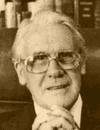 Leonard Ravenhill
in Revival Series - Lecture #1
Read in context
People are very interested in revival, but we don't start to break the fallow ground.
Leonard Ravenhill
in Revival Series - Lecture #1
Read in context
If you are going to break up fallow ground you have to get your own life into a state of discipline -- and we are the most undisciplined generation of believers ever.
Leonard Ravenhill
in Revival Series - Lecture #1
Read in context
An occasional fallow has its benefits in the world of Nature, but if the proprietor of rich and fruitful land allowed the soil to continue fallow year after year, we would judge him to be out of his wits!
 C.H. Spurgeon
in The Duty of the Present Hour
Read in context
If you wish to be ruined in your spiritual farming, you need not sow thorns—you have only to leave your soul fallow and you will starve when the great harvest comes!
C.H. Spurgeon
in The Duty of the Present Hour
Read in context
Fallow ground in human nature naturally and of itself will work famine and bankruptcy for every man who lets it have its own way.
C.H. Spurgeon
in The Duty of the Present Hour
Read in context
Break up your fallow ground, the ground that produces nothing but weeds, briars, tin cans and brick-bats.
 Billy Sunday
in The Need for Revivals
Read in context
Its potentialities are tremendous, but it's not getting anything done to it, so it lies there.
 A.W. Tozer
in 'The Cruel, but Effectual Plow in Fallow Ground'
Read in context
No miracle of life is present here, because it's lying fallow, it has protected itself.
A.W. Tozer
in 'The Cruel, but Effectual Plow in Fallow Ground'
Read in context
God can't even plow him, because he's too well-satisfied with himself.
A.W. Tozer
in 'The Cruel, but Effectual Plow in Fallow Ground'
Read in context
No, no upward rush of spiritual life, but they've remained just what they were because they've protected themselves from the plow.
A.W. Tozer
in 'The Cruel, but Effectual Plow in Fallow Ground'
Read in context
They won't let the Holy Ghost get to them.
A.W. Tozer
in 'The Cruel, but Effectual Plow in Fallow Ground'
Read in context
Now, that cruel plow, the odd thing about that is you've got to use it yourself.
A.W. Tozer
in 'The Cruel, but Effectual Plow in Fallow Ground'
Read in context
Our hearts are like a field and if we let them alone the only crop we shall get will be the natural weeds of the soil together with those tares which the evil spirit is quite sure to scatter whether we sow good seed or not.
C.H. Spurgeon
in Sow To Yourselves
Read in context
Without plowing what is the use of sowing?
C.H. Spurgeon
in Sow To Yourselves
Read in context
You are not prepared for that step—you must first be plowed.
C.H. Spurgeon
in Sow To Yourselves
Read in context
It is in vain to sow unto yourselves till the soil has been prepared by our Father, who is the Farmer.
C.H. Spurgeon
in Sow To Yourselves
Read in context
Any great sin lying long upon the conscience, unrepented of, or not repented of as the matter requires, only furthers our indwelling corruptions: neglect causes the heart to be hardened.
 A.W. Pink
in THE LIFE OF FAITH Chapter 7 The Restoration of David
Read in context
The fallow ground must first be broken up before it is ready for the good seed of the Gospel.
 Harry Ironside
in The Ministry of Paul
Read in context
The hard heart must be ploughed and harrowed before it can be receptive to the gospel seed.
A.W. Pink
in The Doctrine of Election 12. Its Publication
Read in context
They have sown on the unbroken fallow ground and forgotten that the plough must break the clods.
C.H. Spurgeon
in The Withering Work of the Spirit
Read in context
The soul-saving work, the work which lasts, is that where God plows deeply into the conscience and sows the good Seed of the Kingdom in the heart.
C.H. Spurgeon
in Heart Piercing
Read in context
Human hearts are hard, and the first tool which must go over them, must be a plough, that they may be broken up and softened.
 J.R. Miller
in The Beauty of Self-Control - Part 1
Read in context
Sorrow ofttimes is God's plough.
J.R. Miller
in The Beauty of Self-Control - Part 1
Read in context
The plough tears its way, with its keen, sharp blade, through our hearts--and we say we are being destroyed!
J.R. Miller
in The Beauty of Self-Control - Part 1
Read in context
When the process is completed and we look upon the garden with its sweet flowers growing--we see that only blessing, enrichment, and beauty are the result.
J.R. Miller
in The Beauty of Self-Control - Part 1
Read in context
Repentance is not just feeling sorry every time you spill the milk.
 Richard E. Bieber
in Break Up Your Fallow Ground
Read in context
Repentance is making changes in your ways so you don't spill the milk all the time.
Richard E. Bieber
in Break Up Your Fallow Ground
Read in context
Repentance is turning your life and getting it back on course.
Richard E. Bieber
in Break Up Your Fallow Ground
Read in context
For most of us the only time anything happens to this fallow ground in our lives is when it's broken up for us.
Richard E. Bieber
in Break Up Your Fallow Ground
Read in context
One of the great weaknesses of many forms of ministry today is the attempt to sow good seed among thorns.
 J. Edwin Orr
in Preparing the Ground for Revival
Read in context
The thorns generally continue springing up, and the seed is choked thereby, despite the good intention of the human sower.
J. Edwin Orr
in Preparing the Ground for Revival
Read in context
It is he that ploughs up the fallow ground of the heart, and brings in the wilderness, and turns it into a fruitful field.
 Ralph Erskine
in The Wind of the Holy Ghost Blowing Upon the Dry Bones in the Valley of Vision
Read in context
I understand by this that the plowing and the sowing are ours, but these are nothing without the heavenly rain of Grace.
C.H. Spurgeon
in An Urgent Necessity
Read in context
Remember, too—and here is something solemn, but something sweet as well—it is God's time, for these are God's words put into the Prophet's mouth—it is time to seek the Lord!
C.H. Spurgeon
in An Urgent Necessity
Read in context
It is that in due time He will rain righteousness upon us!
C.H. Spurgeon
in An Urgent Necessity
Read in context
Breaking up the ground is never a pleasant, comfortable business, and churches sometimes resent the plow of plain preaching.
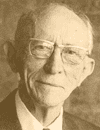 Vance Havner
in Are We Playing by the Book?
Read in context
The teacher plants the seed, the pastor cultivates the crop, the evangelist gathers it, but the prophet must first break up the fallow ground.
Vance Havner
in Are We Playing by the Book?
Read in context
The breaking up of the fallow ground takes time; the frosts of winter are as necessary as the rains of spring to prepare the soil for fertility.
 A.B. Simpson
in (Power From on High) 7. Waiting for the Spirit
Read in context
God has to break our hearts to pieces by the slow processes of His discipline, and grind every particle to powder, and then to mellow us, and saturate us with His blessed Spirit, until we are open for the blessing He has to give us.
A.B. Simpson
in (Power From on High) 7. Waiting for the Spirit
Read in context
Prayer is the plow that breaks up the fallow ground for the Gospel seed.
 David Smithers
in Apart From Prayer We Can Do Nothing
Read in context
It is time for us to break up our fallow ground and once again nurture the fruitful seeds of revival.
David Smithers
in The Seeds of Revival
Read in context
We must break up our fallow ground and stir up the gift of God within us.
Vance Havner
in Isaac Dug Again Wells
Read in context
If you want this Divine love, you must break up the fallow ground of your hearts, and invite the Heavenly Husbandman to come and sow it--shed it abroad in your soul.
 Catherine Booth
in The Nature of Charity
Read in context
It is therefore the height of folly for you to suppose it is too soon or that it is not now high time for you to seek the Lord.
 Devereux Jarratt
in Seeking the Lord
Read in context
There is a day of grace for you now--be thankful for that, but it is a limited season and grows shorter every time that clock ticks.
C.H. Spurgeon
in It Is Time to Seek the Lord
Read in context
There has to be a breaking up of the fallow ground if the rain from heaven is to find soil in which it can bring forth fruit.
 Paris Reidhead
in Uplifted Gates
Read in context
What Scripture says
- Hosea 10:12 break up your unplowed ground, for it is time to seek the LORD
- Jeremiah 4:3 break up the ground, and do not sow among the thorns
- Jeremiah 4:4 the change God requires is in the heart
- Hebrews 3:13 hearts are hardened by sin's deceitfulness
- Lamentations 3:40 examine and test our ways, and turn back to the LORD
- Proverbs 28:13 confess and renounce sin, and find mercy
- Ezekiel 36:26 God promises to remove the heart of stone
- Philippians 2:13 God works in His people to will and to act
- Psalm 51:17 God does not despise a broken and contrite heart
- Hosea 6:3 He will come like the rain
- Psalm 126:5 those who sow in tears will reap with joy
How this page is made: the quotes are taken word for word from sermons on SermonIndex and checked against them by program before the page is published. The transcripts of audio and video sermons are machine-made, so follow the link to hear the words as they were spoken. The answer above the quotes is an overview with its sources listed; it is not a statement of doctrine by SermonIndex.