
The preachers quoted here describe lukewarmness as a middle state that Christ finds nauseating and an insult to God. They say it shows in a lack of love for people, that it destroys peace, and that it leaves a church open to deception.
The word comes from Christ's letter to the church at Laodicea. "I know thy works, that thou art neither cold nor hot: I would thou wert cold or hot. So then because thou art lukewarm, and neither cold nor hot, I will spue thee out of my mouth" (Revelation 3:15-16). The Greek word, chliaros, means tepid, and appears nowhere else in the New Testament.1
Christ describes the condition. "Thou sayest, I am rich, and increased with goods, and have need of nothing; and knowest not that thou art wretched, and miserable, and poor, and blind, and naked" (3:17). Lukewarmness here is self-satisfaction: a church that feels no need. It is not hostility to Christ but indifference that thinks itself healthy.
The older writers recognised it. Thomas Watson asked, "How many are of a dull, lukewarm temper, zealous for their own secular interest" and with no zeal for heaven.2 Thomas Brooks warned, "That love which is flat, lukewarm, or cold, will leave a man to freeze on this side heaven, it will fit him for the warmest place in hell."3 Paul speaks of "having a form of godliness, but denying the power thereof" (2 Timothy 3:5).
Its opposite is zeal. The first commandment asks for the whole heart (Matthew 22:37). Paul writes, "Not slothful in business; fervent in spirit; serving the Lord" (Romans 12:11), and says Christ gave himself to purify a people "zealous of good works" (Titus 2:14). The church at Ephesus was faulted for a related decline: "thou hast left thy first love" (Revelation 2:4).
Christ's response is severe and kind at once. He counsels the Laodiceans to buy from him gold, white raiment and eyesalve (3:18), and gives the reason for his rebuke: "As many as I love, I rebuke and chasten: be zealous therefore, and repent" (3:19).
The letter ends with an invitation addressed to a church: "Behold, I stand at the door, and knock: if any man hear my voice, and open the door, I will come in to him, and will sup with him, and he with me" (3:20). The cure for lukewarmness is renewed fellowship with Christ himself.
- Strong's Greek 5513, chliarós: "tepid".
- Thomas Watson, The Godly Man's Picture, "A Godly Man is a Zealous Man".
- Thomas Brooks, Heaven on Earth, "Chapter 6:".
In their own words
Each line below is quoted exactly from a sermon on this site. Follow the link to hear or read it where it was said.
And a lukewarm church is nauseating to the Lord.
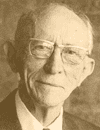 Vance Havner
in What Jesus Wants for His Church
Listen at 1:11
I think if I were to pause longer, here, I could prove to you that I went not too far when I said that lukewarmness is an insult to God.
 C.H. Spurgeon
in Lukewarmness
Read in context
One of the marks of lukewarmness is lack of love for individuals, for the multitudes, for the people of the world.
 George Verwer
in Don't Be Lukewarm
Listen at 13:49
This intermediate state of lukewarmness is the occasion for the extreme statement which Christ makes that He will spue them out of His mouth.
 John F. Walvoord
in The Letters to Sardis, Philadelphia, and Laodicea
Read in context
Every approach to lukewarmness is destructive to our peace.
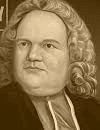 Thomas Reade
in On Lukewarmness
Read in context
A lukewarm church is susceptible to deception in ways that, you know, a healthy church is not.
 Andrew Strom
in The Lukewarm Will Be Deceived
Listen at 6:51
What Scripture says
- Revelation 3:15-16 because you are lukewarm, I will spue you out of my mouth
- Revelation 3:17 you say, I am rich, and have need of nothing
- Revelation 3:19 be zealous therefore, and repent
- Revelation 3:20 behold, I stand at the door, and knock
- Romans 12:11 fervent in spirit; serving the Lord
How this page is made: the quotes are taken word for word from sermons on SermonIndex and checked against them by program before the page is published. The transcripts of audio and video sermons are machine-made, so follow the link to hear the words as they were spoken. The answer above the quotes is an overview with its sources listed; it is not a statement of doctrine by SermonIndex.