
A solemn assembly is a gathering of all God's people, with ordinary work laid aside, to seek Him together. In the law it closed the feasts; in Joel it is a day of fasting, confession and prayer under judgment. The preachers quoted here trace it at Mizpah, under Jehoshaphat, Ezra and Nehemiah and in Nineveh, and warn that it is worth nothing unless the heart is rent and sin is put away.
A solemn assembly is a gathering of all God's people, with ordinary work laid aside, to come before Him together. In the law of Moses it was the closing day of a feast. In the prophet Joel it is an urgent meeting for fasting, confession and prayer in a time of judgment: "Consecrate a fast; proclaim a solemn assembly! Gather the elders and all the residents of the land to the house of the LORD your God, and cry out to the LORD." (Joel 1:14). This page is mostly about the second. Richard Owen Roberts wrote, "A Solemn Assembly is a mandatory occasion for corporate repentance."1
Where the words come from
The law gave the name to the last day of two of Israel's feasts. Of the Feast of Tabernacles it says, "On the eighth day you are to hold a solemn assembly; you must not do any regular work." (Numbers 29:35). Leviticus says of the same day, "It is a solemn assembly; you must not do any regular work." (Leviticus 23:36). The seventh day of Unleavened Bread is described in the same way: "For six days you must eat unleavened bread, and on the seventh day you shall hold a solemn assembly to the LORD your God, and you must not do any work." (Deuteronomy 16:8). When Solomon dedicated the temple the people kept this pattern. "On the eighth day they held a solemn assembly, for the dedication of the altar had lasted seven days, and the feast seven days more." (2 Chronicles 7:9). After the return from exile they kept it again under Ezra and Nehemiah, and "on the eighth day they held an assembly, according to the ordinance." (Nehemiah 8:18).
Two things mark the day in every place: the whole people are gathered, and common work stops. Charles Spurgeon said of these appointed days, "The solemn assemblies of Israel were her glory: her great days of festival and sacrifice were the gladness of the land."2 Roberts drew this lesson from the rule about work: "While the overwhelming teaching of Scripture is in favor of hard work, it is absolutely clear that all work must be subjugated to spiritual concerns."1
The assembly Joel called
Joel uses the same words for a different occasion. Locusts had stripped the land, and the prophet saw the hand of God in it. G. Campbell Morgan said, "The age was forgetting God, and Joel stood in the midst of the devastation and declared that the things of which men spoke as simple happenings in the course of nature, were as a matter of fact the immediate and direct acts of God in judgment."3 Joel did not call for a feast. He called for a fast: "Blow the ram's horn in Zion, consecrate a fast, proclaim a sacred assembly." (Joel 2:15).
John Calvin wrote in his commentary on Joel, "There is then no doubt but that the Prophet here refers to an extraordinary meeting."4 He explained why the prophet asked for it: "Here again the Prophet reminds them that there was need of deep repentance; for not only individuals had transgressed, but the whole people had become guilty before God; and we also know how many and grievous their sins had been."5 He added, "There is no wonder then that the Prophet requires a public profession of repentance."6 On the first chapter he wrote, "The uses and ends of a fast, we know, are various: but when the Prophet here speaks of a solemn fast, he doubtless bids the people to come to it suppliantly, as the guilty are wont to do, who would deprecate punishment before a judge, that they may obtain mercy from him."7
Called when God's hand is heavy
The solemn assemblies of this second kind were held in days of trouble. When a great army came against Judah, "Jehoshaphat was alarmed and set his face to seek the LORD. And he proclaimed a fast throughout Judah." (2 Chronicles 20:3). When Jonah preached in Nineveh, "And the Ninevites believed God. They proclaimed a fast and dressed in sackcloth, from the greatest of them to the least." (Jonah 3:5). At Mizpah Samuel gathered an Israel that was still under the hand of the Philistines. Roberts wrote of the judgments that came before the revivals of the Old Testament, "While some of these judgments are immediate and final, resulting in deaths among the wicked, others are gracious and remedial, resulting in brokenness, prayer, repentance and extraordinary seeking of God's face."1
John Wesley said, "But it is not only from the people of God that we learn, when his anger is moved, to seek him by fasting and prayer; but even from the Heathens."8 He said of the practice of nations, "But beside those which were fixed, in every nation fearing God there have always been occasional fasts, appointed from time to time, as the particular circumstances and occasions of each required."9 Calvin wrote of Joel's call to the bridegroom and the bride, "Hence, things in themselves lawful ought for a time to be laid aside when God appears angry with us; for it is no season for nuptials or for joyful feasts, when God's wrath is kindled, when the darkness of death spreads all around."10
Everyone is summoned
Joel leaves no one out. "Gather the people, sanctify the congregation, assemble the aged, gather the children, even those nursing at the breast. Let the bridegroom leave his room, and the bride her chamber." (Joel 2:16). In Jehoshaphat's day "all the men of Judah, with their wives and children and little ones, were standing before the LORD." (2 Chronicles 20:13). When Ezra prayed, "a very large assembly of Israelites—men, women, and children—gathered around him, and the people wept bitterly as well." (Ezra 10:1). In Nineveh the fast reached "from the greatest of them to the least." (Jonah 3:5).
Roberts wrote, "A Solemn Assembly is a time when the entire body of people affected by the righteous judgment is required to be in attendance."1 He wrote of the children, "A Solemn Assembly is a most wonderful opportunity for children to see their parents and elders demonstrating Christianity at its deepest corporate levels."1 He added, "Since the entire family is summoned, the youth and older children have a very special privilege of being deeply touched by the solemnities of the day."1 Calvin wrote of the elders, "It is no wonder then that the Prophet bids here the old to be called; for it became them to be the leaders of others in confessing their repentance."11 He wrote of the newly married, "The Prophet's exhortation ought then to be noticed, when he bids the bridegroom and the bride to leave their nuptials, and to put on the same mournful appearance as the rest of the people."12 The sin was the sin of the whole people, so the whole people came.
Ordinary work and food are set aside
The law forbade regular work on the day of solemn assembly. Joel joins a fast to it. Roberts wrote, "Just as man is to labor six days, and six days only, and then rest on the seventh, so also man is to labor in times of spiritual and moral advance; but he is to set aside this normal daily work in order to seek the face of God during times of righteous judgment."1 He wrote of fasting, "In short, fasting is an outward means of demonstrating that humility before God which acknowledges that the discovery of all those sins that have provoked His judgment and putting away of them in an orderly corporate manner is of vastly greater consequence than the feeding of the body."1 He added, "There are times when the bodies of believers must be brought into subjection so that the overwhelming necessities of the spiritual may receive their due attention."1
Samuel Miller said in a sermon on religious fasting, "If abstinence from food is a natural expression of deep humiliation and mourning, no further argument is necessary to show that it ought to accompany seasons of special prayer and peculiar approach to God."13 He surveyed the examples in Scripture and said, "In short, we scarcely find in all the scriptural record, either in the Old or New Testament, a single example of an extraordinary season of humiliation and prayer which is not accompanied by the abstinence of which we speak."14 He said of the reason for stopping work, "One grand object of observing such days at all is that we may occasionally come to a solemn pause; that we may break the spell which is so apt to bind us down to the grovelling pursuits of time and sense; and take an honest retrospect of our infirmities, failures, and sins."15 He said also, "With the utmost propriety, then, when a public fast is proclaimed, it is commonly recommended that all servile labor and recreation be laid aside."16 Fasting has its own page, linked below. Here it is the sign that the people count seeking God more pressing than their daily bread.
Sin is confessed together
Confession is the heart of the day. At Mizpah, "On that day they fasted, and there they confessed" (1 Samuel 7:6) their sin in the words, "We have sinned against the LORD." (1 Samuel 7:6). In Nehemiah's day the people "stood and confessed their sins and the iniquities of their fathers." (Nehemiah 9:2). In Ezra's day the leaders were told, "make a confession to the LORD, the God of your fathers, and do His will." (Ezra 10:11).
Calvin wrote, "But as to a public fast, it is a solemn confession of guilt, when men suppliantly approach the throne of God, acknowledge themselves worthy of death, and yet ask pardon for their sins."17 Alexander Maclaren drew this lesson from Mizpah: "The surest way to the true victory, which is the conquest of our sins, is confessing them to God."18 He wrote also, "The night before the battle should be spent, not in feasting, but in prayer and lowly shriving of our souls before the great Confessor."19
Miller said, "Days of religious fasting are to be devoted to a deep and heartfelt recollection of our sins and unfeigned repentance for them."20 He said, "Still, it is evident that the primary object of a religious fast is evangelical humiliation."21 He added, "To attempt to keep such a fast, then, without entering deeply into the consideration of our sins, and mourning over them, is really to place out of sight the most prominent object of the observance."22 Charles Finney said on a national fast day, "For, as national sins are always public sins, they should always be as publicly confessed and renounced."23 Edward Payson said, "We are assembled this day for the purpose of humbling ourselves before God, for our personal and national sins, and praying for public and private prosperity."24 He said in another sermon, "This being the case, the subject which we have chosen is, I conceive, peculiarly suitable for a day of public humiliation, fasting and prayer."25 Spurgeon prayed on a fast day, "We are a sinful nation; we confess the sins of our governors and our own particular iniquities."26
Andrew Murray applied this to the church that prays for revival. He wrote, "In all intercession confession of man's sin and God's righteous judgment is ever an essential element."27 He wrote, "God will give this, but only on the condition that those who see and feel the sin of others take their burden of confession and bear it, and that all who pray for and claim in faith God's reviving power for His Church, shall humble themselves with the confession of its sins."27
The word of God is read
In Nehemiah's day the assembly was built round the Scriptures. The people asked for the Book of the Law, and Ezra read it to them. On the day of confession "While they stood in their places, they read from the Book of the Law of the LORD their God for a quarter of the day, and they spent another quarter of the day in confession and worship of the LORD their God." (Nehemiah 9:3). It was the reading that had first brought them to tears: "all the people were weeping as they heard the words of the Law." (Nehemiah 8:9). Maclaren wrote of that scene, "Naturally enough there comes a remembrance of many sins in the past history of the people; and tears not unnaturally mingle with the thankfulness that again they are a nation, having a divine worship and a divine law in their midst."28 Roberts wrote, "A Solemn Assembly is an opportunity for Spirit-anointed preaching of the searching truths of Scripture to deeply touch afresh the lives of God's people."1
The leaders go first
Joel gives the ministers of the sanctuary their own charge: "Let the priests who minister before the LORD weep between the portico and the altar" (Joel 2:17). Ezra was on his face before the people gathered to him, and Jehoshaphat stood in the assembly and prayed, "We do not know what to do, but our eyes are upon You." (2 Chronicles 20:12). Calvin wrote, "Hence the Prophet now says, Let the priests weep; not that he wished the people in the meantime to neglect their duty; but he expresses what had been prescribed by the law of God; that is, that the priests should offer supplications in the name of the people."29 Murray wrote, "Until those who would lead the Church in the path of revival bear faithful testimony against the sins of the Church, it is to be feared that it will find people unprepared."27 Roberts wrote, "The Church must first repent, for the righteous judgment was not against the world but against the Church."1 He stated the duty that follows: "Therefore, in times of spiritual declension and moral decadence, the great duty of every Christian is both to discover those sins which have caused the judgment and to put them away by that method which God Himself has chosen."1
Rend your heart and not your garments
An assembly can be held and God not sought at all. Joel himself guards against it: "So rend your hearts and not your garments, and return to the LORD your God. For He is gracious and compassionate, slow to anger, abounding in loving devotion. And He relents from sending disaster." (Joel 2:13). God said through Isaiah, "I cannot endure iniquity in a solemn assembly." (Isaiah 1:13). He said through Amos, "I cannot stand the stench of your solemn assemblies." (Amos 5:21). He asked those who had fasted for seventy years, "was it really for Me that you fasted?" (Zechariah 7:5).
Calvin wrote, "The Prophet here reminds us that we must not act feignedly with God; for men are ever disposed to trifle with him."30 He wrote of the outward signs, "Whosoever then puts on sackcloth and withholds prayer, is guilty of mockery; and no one can derive any good from mere fasting; but when fasting and sackcloth are added to prayer, and are as it were handmaids, then they are not uselessly practiced."31 George Whitefield said, "The most gaudy fabrics, stately temples, new moon Sabbaths, and solemn assemblies, are only solemn mockeries God cannot away with."32 Miller said of a fast, "First of all, that it will be outwardly kept in vain, unless the heart is sincerely engaged in the service."33 He said, "Yes, my friends, in fasting, as well as praying, the engagement of the heart is the great and essential matter."34 He said, "The primary consideration, then, in keeping a religious fast, is that the whole soul be truly engaged in the work; that while we use the outward symbol of humiliation, and penitence, we labor to have our minds deeply occupied and affected with the humbling realities which we express with our lips."35 He put it more sharply still: "A heartless and hypocritical prayer, in any circumstances, is a virtual insult to him to whom it is addressed; but a HEARTLESS AND HYPOCRITICAL FAST seems to be a DOUBLE INSULT, because offered under the guise of double solemnity and humility."36 Wesley said, "Let every season, either of public or private fasting, be a season of exercising all those holy affections which are implied in a broken and contrite heart."8 Finney said, "Persons in fasting should always guard against a self-righteous state of mind."23
Spurgeon gave a different warning. A person can hide in the crowd. He asked that each one mourn for sin as if he alone knew of it, and said, "Otherwise, we shall lose all true repentance in the idea of a national repentance, we shall lose all sense of sin in the notion that everybody has a sense of sin, that everybody is humbled in penitence before God, and that everybody is seeking the Lord."37
It must end in turning
The promise God gave to Solomon after the solemn assembly at the dedication of the temple names four things: "and if My people who are called by My name humble themselves and pray and seek My face and turn from their wicked ways, then I will hear from heaven, forgive their sin, and heal their land." (2 Chronicles 7:14). The last of them is to turn. The assembly in Ezra's day ended with wrongs put right, and the assembly in Nehemiah's day ended with a written covenant: "we make a binding agreement, putting it in writing" (Nehemiah 9:38). Of Nineveh it is written, "When God saw their actions—that they had turned from their evil ways—He relented from the disaster He had threatened to bring upon them." (Jonah 3:10).
Miller said, "As days of religious fasting ought ever to be marked by a special recognition and a deep sense of our sins, so this recognition, if it is of the right stamp, will ever be followed by genuine reformation."38 Finney said, "Fasting, either public or private, without reformation, is a great abomination to God."23 He told his hearers how to think of the sins of their nation: "We are to be especially on our guard in contemplating the sins of this nation, certainly those of us who are, and from principle always have been opposed to those sins, lest we imbibe a censorious, angry spirit, instead of feeling a deep and real sorrow for those sins."23 Maclaren wrote of Samuel's call to put away the foreign gods, "If we are to have His strength infused for victory, we must cast away our idols, and come back to Him with all our hearts."39
God's answer
Scripture joins a promise to these days. Joel sets before the people what God will do when they return to Him: "Then the LORD became jealous for His land, and He spared His people." (Joel 2:18). He promises, "I will repay you for the years eaten by locusts" (Joel 2:25) and after that, "I will pour out My Spirit on all people." (Joel 2:28). At Mizpah "the LORD thundered loudly against the Philistines and threw them into such confusion that they fled before Israel." (1 Samuel 7:10). Ezra says of the fast at the Ahava Canal, "So we fasted and petitioned our God about this, and He granted our request." (Ezra 8:23).
Calvin wrote, "The Prophet here again repeats, that prayers would not be in vain, provided the Jews truly humbled themselves before God."40 He was careful to add, "God does then here promise, that they should no more be subject to the reproaches of the Gentiles provided they repented; for the Prophet ever speaks conditionally."41 Miller said of the fasts recorded in Scripture, "And it is remarkable that the blessing of God attended the exercise of fasting in every one of these cases."42 Wesley said of fasting joined with prayer, "And it is a means not only of turning away the wrath of God, but also of obtaining whatever blessings we stand in need of."8 Finney said, "National fasts are useful, as they often avert the judgments of God."23 E.M. Bounds wrote, "Nineveh was saved because the king and its people repented of their evil ways and gave themselves to prayer and fasting."43 Morgan said of Joel's call, "The call to repentance in the first place presupposes the grace of the Divine heart."3 Spurgeon said on the fast day, "There is no fear that when we unite in prayer God will refuse to hear."26 Roberts wrote, "A Solemn Assembly gives God an opportunity to respond to His people at a level He cannot possibly do when they are living in neglect of His Word or in direct violation of His commandments."1
Sorrow turned to joy
The same people who wept at the reading of the law were told on that day, "the joy of the LORD is your strength." (Nehemiah 8:10). Maclaren wrote of the words spoken to them, "They teach that even those who are most conscious of sin and breaches of God's law should weep indeed, but should swiftly pass from tears to joy."44 A solemn assembly is not meant to leave God's people in the dust. James gives the order: "Grieve, mourn, and weep. Turn your laughter to mourning, and your joy to gloom." (James 4:9) and then, "Humble yourselves before the Lord, and He will exalt you." (James 4:10).
Is it for the church now?
The instances are in the Old Testament. Roberts held that the solemn assembly is for the church as well, and wrote of the objection, "Unfortunately, some professed Christians will be disinclined to seriously think of a Solemn Assembly because the illustrations above are all Old Testament."1 The New Testament does show the church gathered for prayer and fasting. Before Pentecost, "With one accord they all continued in prayer, along with the women and Mary the mother of Jesus, and with His brothers." (Acts 1:14). At Antioch the Spirit spoke "While they were worshiping the Lord and fasting" (Acts 13:2). The risen Lord's word to five of the seven churches in Revelation is a call to the whole church to repent: "Those I love, I rebuke and discipline. Therefore be earnest and repent." (Revelation 3:19).
Finney used the name for the church's ordinary meetings for worship. He said, "If the heart is true with God, nothing is to him like the solemn assembly, the season of prayer, and the communion his soul finds with God."45 When his own country was in trouble Spurgeon said, "I know not whether our government will proclaim a national fast; but certain I am it is time that every Christian should celebrate one in his own heart."46 Ebenezer Erskine said of his day, "Public days of fasting and humiliation for the sins of the land are but rare, and thinly sown at this day."47
Holding one
Roberts gave practical counsel from the passages. He wrote, "No Solemn Assembly would be worth the name that did not allow at least an entire day for the great tasks of humiliation, prayer, repentance and seeking God's face."1 He wrote of preparation, "But not only should much time be given to prayer at a Solemn Assembly, much time in prayer should be given in preparation for a Solemn Assembly."1 His counsel keeps to what the passages show: all the people together, time given, fasting, the word read, sin named and put away, and prayer to the God who "is gracious and compassionate, slow to anger, abounding in loving devotion." (Joel 2:13).
- Richard Owen Roberts, "Solemn Assembly" (sermon).
- C.H. Spurgeon, "A Sermon for the Time Present" (sermon).
- G. Campbell Morgan, "The Message of Joel" (sermon).
- John Calvin, Commentary On Joel Amos Obadiah, "Joel 2:15-17".
- John Calvin, Commentary On Joel Amos Obadiah, "Joel 2:15-17".
- John Calvin, Commentary On Joel Amos Obadiah, "Joel 2:15-17".
- John Calvin, Commentary On Joel Amos Obadiah, "Joel 1:13-15".
- John Wesley, "Sermon on the Mount, 7" (sermon).
- John Wesley, Sermons on Several Occasions (John Wesley), "Sermon 27".
- John Calvin, Commentary On Joel Amos Obadiah, "Joel 2:15-17".
- John Calvin, Commentary On Joel Amos Obadiah, "Joel 2:15-17".
- John Calvin, Commentary On Joel Amos Obadiah, "Joel 2:15-17".
- Samuel Miller, Writings of Samuel Miller, "S. The Duty, the Benefits, and the Proper Methods of Religious...".
- Samuel Miller, Writings of Samuel Miller, "S. The Duty, the Benefits, and the Proper Methods of Religious...".
- Samuel Miller, Writings of Samuel Miller, "S. The Duty, the Benefits, and the Proper Methods of Religious...".
- Samuel Miller, Writings of Samuel Miller, "S. The Duty, the Benefits, and the Proper Methods of Religious...".
- John Calvin, Commentary On Joel Amos Obadiah, "Joel 2:15-17".
- Alexander Maclaren, Expositions Of Holy Scripture F, "Repentance and victory".
- Alexander Maclaren, Expositions Of Holy Scripture F, "Repentance and victory".
- Samuel Miller, Writings of Samuel Miller, "S. The Duty, the Benefits, and the Proper Methods of Religious...".
- Samuel Miller, Writings of Samuel Miller, "S. The Duty, the Benefits, and the Proper Methods of Religious...".
- Samuel Miller, Writings of Samuel Miller, "S. The Duty, the Benefits, and the Proper Methods of Religious...".
- Charles Finney, "National Fast Day" (sermon).
- Edward Payson, "The Guilt and Consequences of Parental Unfaithfulness" (sermon).
- Edward Payson, "Participation in Other Men's Sins" (sermon).
- C.H. Spurgeon, "Fast-Day Service" (sermon).
- Andrew Murray, "The Coming Great Revival - Part 1" (sermon).
- Alexander Maclaren, Expositions Of Holy Scripture G, "The joy of the lord".
- John Calvin, Commentary On Joel Amos Obadiah, "Joel 2:15-17".
- John Calvin, Commentary On Joel Amos Obadiah, "Joel 2:12-13".
- John Calvin, Commentary On Joel Amos Obadiah, "Joel 1:13-15".
- George Whitefield, "Preached Before the Governor and Council, and the House of Assembly, in Georgia…" (sermon).
- Samuel Miller, Writings of Samuel Miller, "S. The Duty, the Benefits, and the Proper Methods of Religious...".
- Samuel Miller, Writings of Samuel Miller, "S. The Duty, the Benefits, and the Proper Methods of Religious...".
- Samuel Miller, Writings of Samuel Miller, "S. The Duty, the Benefits, and the Proper Methods of Religious...".
- Samuel Miller, Writings of Samuel Miller, "S. The Duty, the Benefits, and the Proper Methods of Religious...".
- C.H. Spurgeon, Spurgeons Sermons Volume 43 1897, "Apart".
- Samuel Miller, Writings of Samuel Miller, "S. The Duty, the Benefits, and the Proper Methods of Religious...".
- Alexander Maclaren, Expositions Of Holy Scripture F, "Repentance and victory".
- John Calvin, Commentary On Joel Amos Obadiah, "Joel 2:18-19".
- John Calvin, Commentary On Joel Amos Obadiah, "Joel 2:18-19".
- Samuel Miller, Writings of Samuel Miller, "S. The Duty, the Benefits, and the Proper Methods of Religious...".
- E.M. Bounds, "Prayer--Facts and History" (sermon).
- Alexander Maclaren, Expositions Of Holy Scripture G, "Reading the law with tears and joy".
- Charles Finney, "Losing One's First Love" (sermon).
- C.H. Spurgeon, "India's Ills and England's Sorrows" (sermon).
- Ebenezer Erskine, Writings of Ebenezer Erskine, "S. The Groans Of Believers Under Their Burdens".
In their own words
Each line below is quoted exactly from a sermon on this site. Follow the link to hear or read it where it was said.
A Solemn Assembly is a mandatory occasion for corporate repentance.
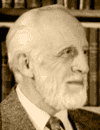 Richard Owen Roberts
in Solemn Assembly
Read in context
While the overwhelming teaching of Scripture is in favor of hard work, it is absolutely clear that all work must be subjugated to spiritual concerns.
Richard Owen Roberts
in Solemn Assembly
Read in context
While some of these judgments are immediate and final, resulting in deaths among the wicked, others are gracious and remedial, resulting in brokenness, prayer, repentance and extraordinary seeking of God's face.
Richard Owen Roberts
in Solemn Assembly
Read in context
A Solemn Assembly is a time when the entire body of people affected by the righteous judgment is required to be in attendance.
Richard Owen Roberts
in Solemn Assembly
Read in context
A Solemn Assembly is a most wonderful opportunity for children to see their parents and elders demonstrating Christianity at its deepest corporate levels.
Richard Owen Roberts
in Solemn Assembly
Read in context
Since the entire family is summoned, the youth and older children have a very special privilege of being deeply touched by the solemnities of the day.
Richard Owen Roberts
in Solemn Assembly
Read in context
Just as man is to labor six days, and six days only, and then rest on the seventh, so also man is to labor in times of spiritual and moral advance; but he is to set aside this normal daily work in order to seek the face of God during times of righteous judgment.
Richard Owen Roberts
in Solemn Assembly
Read in context
In short, fasting is an outward means of demonstrating that humility before God which acknowledges that the discovery of all those sins that have provoked His judgment and putting away of them in an orderly corporate manner is of vastly greater consequence than the feeding of the body.
Richard Owen Roberts
in Solemn Assembly
Read in context
There are times when the bodies of believers must be brought into subjection so that the overwhelming necessities of the spiritual may receive their due attention.
Richard Owen Roberts
in Solemn Assembly
Read in context
A Solemn Assembly is an opportunity for Spirit-anointed preaching of the searching truths of Scripture to deeply touch afresh the lives of God's people.
Richard Owen Roberts
in Solemn Assembly
Read in context
The Church must first repent, for the righteous judgment was not against the world but against the Church.
Richard Owen Roberts
in Solemn Assembly
Read in context
Therefore, in times of spiritual declension and moral decadence, the great duty of every Christian is both to discover those sins which have caused the judgment and to put them away by that method which God Himself has chosen.
Richard Owen Roberts
in Solemn Assembly
Read in context
A Solemn Assembly gives God an opportunity to respond to His people at a level He cannot possibly do when they are living in neglect of His Word or in direct violation of His commandments.
Richard Owen Roberts
in Solemn Assembly
Read in context
Unfortunately, some professed Christians will be disinclined to seriously think of a Solemn Assembly because the illustrations above are all Old Testament.
Richard Owen Roberts
in Solemn Assembly
Read in context
No Solemn Assembly would be worth the name that did not allow at least an entire day for the great tasks of humiliation, prayer, repentance and seeking God's face.
Richard Owen Roberts
in Solemn Assembly
Read in context
But not only should much time be given to prayer at a Solemn Assembly, much time in prayer should be given in preparation for a Solemn Assembly.
Richard Owen Roberts
in Solemn Assembly
Read in context
The solemn assemblies of Israel were her glory: her great days of festival and sacrifice were the gladness of the land.
 C.H. Spurgeon
in A Sermon for the Time Present
Read in context
The age was forgetting God, and Joel stood in the midst of the devastation and declared that the things of which men spoke as simple happenings in the course of nature, were as a matter of fact the immediate and direct acts of God in judgment.
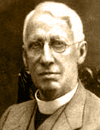 G. Campbell Morgan
in The Message of Joel
Read in context
The call to repentance in the first place presupposes the grace of the Divine heart.
G. Campbell Morgan
in The Message of Joel
Read in context
But it is not only from the people of God that we learn, when his anger is moved, to seek him by fasting and prayer; but even from the Heathens.
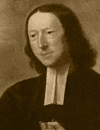 John Wesley
in Sermon on the Mount, 7
Read in context
Let every season, either of public or private fasting, be a season of exercising all those holy affections which are implied in a broken and contrite heart.
John Wesley
in Sermon on the Mount, 7
Read in context
And it is a means not only of turning away the wrath of God, but also of obtaining whatever blessings we stand in need of.
John Wesley
in Sermon on the Mount, 7
Read in context
For, as national sins are always public sins, they should always be as publicly confessed and renounced.
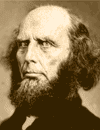 Charles Finney
in National Fast Day
Read in context
Persons in fasting should always guard against a self-righteous state of mind.
Charles Finney
in National Fast Day
Read in context
Fasting, either public or private, without reformation, is a great abomination to God.
Charles Finney
in National Fast Day
Read in context
We are to be especially on our guard in contemplating the sins of this nation, certainly those of us who are, and from principle always have been opposed to those sins, lest we imbibe a censorious, angry spirit, instead of feeling a deep and real sorrow for those sins.
Charles Finney
in National Fast Day
Read in context
National fasts are useful, as they often avert the judgments of God.
Charles Finney
in National Fast Day
Read in context
We are assembled this day for the purpose of humbling ourselves before God, for our personal and national sins, and praying for public and private prosperity.
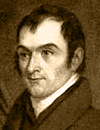 Edward Payson
in The Guilt and Consequences of Parental Unfaithfulness.
Read in context
This being the case, the subject which we have chosen is, I conceive, peculiarly suitable for a day of public humiliation, fasting and prayer.
Edward Payson
in Participation in Other Men's Sins.
Read in context
We are a sinful nation; we confess the sins of our governors and our own particular iniquities.
C.H. Spurgeon
in Fast-Day Service
Read in context
There is no fear that when we unite in prayer God will refuse to hear.
C.H. Spurgeon
in Fast-Day Service
Read in context
In all intercession confession of man's sin and God's righteous judgment is ever an essential element.
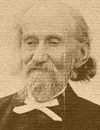 Andrew Murray
in The Coming Great Revival - Part 1
Read in context
God will give this, but only on the condition that those who see and feel the sin of others take their burden of confession and bear it, and that all who pray for and claim in faith God's reviving power for His Church, shall humble themselves with the confession of its sins.
Andrew Murray
in The Coming Great Revival - Part 1
Read in context
Until those who would lead the Church in the path of revival bear faithful testimony against the sins of the Church, it is to be feared that it will find people unprepared.
Andrew Murray
in The Coming Great Revival - Part 1
Read in context
The most gaudy fabrics, stately temples, new moon Sabbaths, and solemn assemblies, are only solemn mockeries God cannot away with.
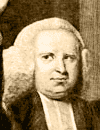 George Whitefield
in Preached Before the Governor and Council, and the House of Assembly, in Georgia…
Read in context
Nineveh was saved because the king and its people repented of their evil ways and gave themselves to prayer and fasting.
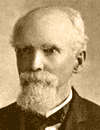 E.M. Bounds
in Prayer--Facts and History
Read in context
If the heart is true with God, nothing is to him like the solemn assembly, the season of prayer, and the communion his soul finds with God.
Charles Finney
in Losing One's First Love
Read in context
I know not whether our government will proclaim a national fast; but certain I am it is time that every Christian should celebrate one in his own heart.
C.H. Spurgeon
in India’s Ills and England’s Sorrows
Read in context
What Scripture says
- Joel 1:14 consecrate a fast; proclaim a solemn assembly
- Joel 2:15 blow the ram's horn in Zion, proclaim a sacred assembly
- Joel 2:16 gather the people, the aged, the children, the bridegroom and the bride
- Joel 2:13 rend your hearts and not your garments
- 2 Chronicles 7:14 if My people humble themselves and pray and seek My face and turn
- Numbers 29:35 the eighth day of the feast, a solemn assembly with no regular work
- 1 Samuel 7:6 at Mizpah they fasted and confessed their sin
- Nehemiah 9:3 a quarter of the day in the Law, a quarter in confession and worship
- 2 Chronicles 20:3 Jehoshaphat proclaimed a fast throughout Judah
- Isaiah 1:13 God cannot endure iniquity in a solemn assembly
- Joel 2:18 the LORD became jealous for His land and spared His people
How this page is made: the quotes are taken word for word from sermons on SermonIndex and checked against them by program before the page is published. The transcripts of audio and video sermons are machine-made, so follow the link to hear the words as they were spoken. The answer above the quotes is an overview with its sources listed; it is not a statement of doctrine by SermonIndex.