
To leave your first love is to carry on with Christian belief and work while warm, personal love for Christ has cooled. The Lord's remedy is to remember, repent, and do the first works again.
To leave your first love is to go on with Christian belief and activity while the heart's warm, personal love for Christ has cooled. The phrase comes from the risen Lord's letter to the church at Ephesus: "But I have this against you: You have abandoned your first love" (Revelation 2:4). Andrew Murray describes the condition: "There is zeal for the truth, there is continuous and persevering labor, but that which the Lord values most is wanting, the tender, fervent love to Himself."1
The church that had everything else
Ephesus was not a careless church. Jesus says, "I know your deeds, your labor, and your perseverance" (Revelation 2:2). They would not put up with evil. They tested false apostles and exposed them. He adds, "Without growing weary, you have persevered and endured many things for the sake of My name" (Revelation 2:3). They were hard-working, orthodox, discerning and steadfast.
And yet He had something against them. Murray writes, "This is a thought of great significance: a church, a community, or a Christian, may be an example in every good work, and yet the tender love to the Lord Jesus in the inner chamber is missing."1 David Wilkerson felt the weight of it: "Beloved, I have read and reread this verse and have concluded that its seriousness cannot be overlooked."2
What first love is
First love is the love a believer has for Christ when he first knows that he is forgiven. Charles Finney says, "The Christian's first love is best known by experience."3 It makes the things of God a pleasure. In Finney's words, "But to the one who loves God, it is sweet to worship, and pray and praise."3
God remembers such love and values it. He said to Israel, "I remember the devotion of your youth, your love as a bride, how you followed Me in the wilderness" (Jeremiah 2:2). It is a response to His own love: "We love because He first loved us" (1 John 4:19). The woman who washed Jesus' feet with her tears shows where it springs from. He said of her, "her many sins have been forgiven, she has loved much" (Luke 7:47).
Left, not lost
Roy Hession draws attention to the Lord's exact word: "He says, I don't charge you with losing your first love, but, listen, with leaving your first love."4 Something lost may be nobody's fault. Something left has been walked away from. That is a harder word, and a more hopeful one, because what has been left can be returned to.
Why Christ cares so much
The first commandment is about love: "And you shall love the LORD your God with all your heart and with all your soul and with all your strength" (Deuteronomy 6:5). Work done for God cannot take its place. Paul says that if he gave away everything he owned, "but have not love, I gain nothing" (1 Corinthians 13:3).
Horatius Bonar hears in the Lord's complaint the voice of One who wants to be loved: "It teaches us His desire for our love, and His disappointment at losing it, or any part of it."5 He says, "It is not so much our labor as our love that He asks; and with nothing less than love can He be satisfied."5 Murray says the same: "His love can be satisfied with nothing less than a deep, personal love on our part."1
Martha was busy serving Jesus and was troubled about many things. He told her, "But only one thing is necessary. Mary has chosen the good portion, and it will not be taken away from her" (Luke 10:42). After Peter's failure, the one question Jesus asked him, three times, was "do you love Me" (John 21:15).
How it happens
Love seldom dies in a day. It cools as other things crowd in. Jesus spoke of "the worries of this life, the deceitfulness of wealth, and the desire for other things" (Mark 4:19) choking the word. He warned that in evil times "the love of most will grow cold" (Matthew 24:12). God's complaint against His people was that their devotion did not last: "your loyalty is like a morning mist, like the early dew that vanishes" (Hosea 6:4).
It can also happen through the Lord's work itself. Activity for Christ takes the place of time with Christ. And it can be mistaken for growing up. Jim Cymbala says, "Sometimes we think we're maturing and we're actually losing our first love."6 Vance Havner makes the same point: "While we get over things we should get over, we also get over things we should not get over."7
How to know
The signs are not hard to recognise. Cymbala names one: "You know, that's how you know you lose your first love when you don't want to be alone with the Lord."6 Finney names another: "It may be known that persons have left their first love when they begin to talk of the burden of the Lord, and manifestly show that religion has become a weariness to them."3
Others follow from these. Prayer becomes a duty. Scripture is read for information. Sin is tolerated that once grieved the heart. There is little desire to speak of Christ to others. Havner describes people in this state: "They may still be doctrinally sound and religiously active but they have got over their first love and they need to remember and repent and repeat the first works."7
The way back
Jesus gives the remedy in one verse, with three commands: "Therefore, keep in mind how far you have fallen. Repent and perform the deeds you did at first" (Revelation 2:5).
Remember. Look back to what it was like when Christ was first precious, and measure the distance. This is not nostalgia. It is honest comparison.
Repent. Lovelessness is sin, and it is to be confessed as sin. Hession notes how often the Lord says this to His own people: "And to five of the seven churches, the great call from Jesus was to repent."4 The Lord says elsewhere, "Those I love, I rebuke and discipline. Therefore be earnest and repent" (Revelation 3:19).
Repeat. Do again what you did at first. Go back to unhurried prayer, to Scripture read in order to meet Him, to quick obedience, to telling others. Feelings follow where the heart is turned.
David's prayer after his fall suits this need: "Restore to me the joy of Your salvation, and sustain me with a willing spirit" (Psalm 51:12). Spurgeon prayed, "O quicken us that we may return to our first love, and do our first works!"8
A word about feelings
Some believers read the Lord's rebuke and conclude that they must recover a certain feeling. But love in Scripture is shown by what a person does. Jesus said, "Whoever has My commandments and keeps them is the one who loves Me" (John 14:21). Paul says that what counts is "faith, expressed through love" (Galatians 5:6). First love did have warmth in it, and the warmth matters. Yet it is recovered by returning to Christ Himself and not by examining one's emotions. David's longing shows the direction: "O God, You are my God. Earnestly I seek You; my soul thirsts for You" (Psalm 63:1).
The Lord is not reluctant. To another cold church He said, "Behold, I stand at the door and knock. If anyone hears My voice and opens the door, I will come in and dine with him, and he with Me" (Revelation 3:20). He wants the fellowship more than we do. Paul prays that believers may be "rooted and grounded in love" (Ephesians 3:17) and may "know this love that surpasses knowledge" (Ephesians 3:19). It is by seeing His love again that ours is rekindled. Paul says, "For Christ's love compels us" (2 Corinthians 5:14).
The warning and the promise
The Lord attaches a warning. "But if you do not repent, I will come to you and remove your lampstand from its place" (Revelation 2:5). A church can keep its doctrine and its programme and lose its light. Its usefulness to Christ depends on its love for Him.
He also attaches a promise. "To the one who overcomes, I will grant the right to eat from the tree of life in the Paradise of God" (Revelation 2:7). And the love He asks for is love He gives. Jesus said, "As the Father has loved Me, so have I loved you. Remain in My love" (John 15:9). Jude tells believers, "keep yourselves in the love of God" (Jude 1:21). Paul's blessing rests on all who do: "Grace to all who love our Lord Jesus Christ with an undying love" (Ephesians 6:24).
- Andrew Murray, "The First Love" (sermon).
- David Wilkerson, "The Church at Ephesus" (sermon).
- Charles Finney, "Losing First Love" (sermon).
- Roy Hession, "(Revelation Thoughts From the Book) 2. the Letters to Ephesus" (sermon).
- Horatius Bonar, "Rev. 2:4-6. First Love Left" (sermon).
- Jim Cymbala, "First Love Lost (Part 1)" (sermon).
- Vance Havner, "You'll Get Over It!" (sermon).
- C.H. Spurgeon, "Thou Hast Left Thy First Love" (sermon).
In their own words
Each line below is quoted exactly from a sermon on this site. Follow the link to hear or read it where it was said.
There is zeal for the truth, there is continuous and persevering labor, but that which the Lord values most is wanting, the tender, fervent love to Himself.
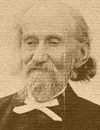 Andrew Murray
in The First Love
Read in context
This is a thought of great significance: a church, a community, or a Christian, may be an example in every good work, and yet the tender love to the Lord Jesus in the inner chamber is missing.
Andrew Murray
in The First Love
Read in context
His love can be satisfied with nothing less than a deep, personal love on our part.
Andrew Murray
in The First Love
Read in context
Beloved, I have read and reread this verse and have concluded that its seriousness cannot be overlooked.
 David Wilkerson
in The Church at Ephesus
Read in context
The Christian's first love is best known by experience.
 Charles Finney
in Losing First Love
Read in context
But to the one who loves God, it is sweet to worship, and pray and praise.
Charles Finney
in Losing First Love
Read in context
It may be known that persons have left their first love when they begin to talk of the burden of the Lord, and manifestly show that religion has become a weariness to them.
Charles Finney
in Losing First Love
Read in context
He says, I don't charge you with losing your first love, but, listen, with leaving your first love.
 Roy Hession
in (Revelation Thoughts From the Book) 2. the Letters to Ephesus
Listen at 30:25
And to five of the seven churches, the great call from Jesus was to repent.
Roy Hession
in (Revelation Thoughts From the Book) 2. the Letters to Ephesus
Listen at 18:45
It teaches us His desire for our love, and His disappointment at losing it, or any part of it.
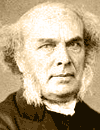 Horatius Bonar
in Rev. 2:4-6. First Love Left
Read in context
It is not so much our labor as our love that He asks; and with nothing less than love can He be satisfied.
Horatius Bonar
in Rev. 2:4-6. First Love Left
Read in context
Sometimes we think we're maturing and we're actually losing our first love.
 Jim Cymbala
in First Love Lost (Part 1)
Listen at 19:41
You know, that's how you know you lose your first love when you don't want to be alone with the Lord.
Jim Cymbala
in First Love Lost (Part 1)
Listen at 20:26
While we get over things we should get over, we also get over things we should not get over.
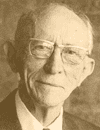 Vance Havner
in You'll Get Over It!
Read in context
They may still be doctrinally sound and religiously active but they have got over their first love and they need to remember and repent and repeat the first works.
Vance Havner
in You'll Get Over It!
Read in context
O quicken us that we may return to our first love, and do our first works!
 C.H. Spurgeon
in Thou Hast Left Thy First Love
Read in context
What Scripture says
- Revelation 2:4-5 You have abandoned your first love; remember, repent, and do the first works.
- Revelation 2:2-3 Christ knew the Ephesians' labor and perseverance.
- Jeremiah 2:2 God remembers the devotion of His people's youth.
- Deuteronomy 6:5 Love the LORD with all your heart.
- 1 John 4:19 We love because He first loved us.
- Matthew 24:12 The love of most will grow cold.
- 1 Corinthians 13:3 Sacrifice without love gains nothing.
- Luke 10:41-42 Only one thing is necessary.
- John 15:9 Remain in My love.
- Psalm 51:12 Restore to me the joy of Your salvation.
How this page is made: the quotes are taken word for word from sermons on SermonIndex and checked against them by program before the page is published. The transcripts of audio and video sermons are machine-made, so follow the link to hear the words as they were spoken. The answer above the quotes is an overview with its sources listed; it is not a statement of doctrine by SermonIndex.