
The preachers quoted here follow the letter to the Hebrews in saying that Christ is the one high priest appointed by God, who offered Himself once for sins and entered heaven itself. They describe His present work of intercession and sympathy, and the boldness it gives believers to draw near to God.
The high priesthood of Christ is His work of representing His people before God. He offered Himself once as the sacrifice for sins, entered heaven itself, and lives there to intercede for all who come to God through Him. "Therefore, since we have a great high priest who has passed through the heavens, Jesus the Son of God, let us hold firmly to what we profess." (Hebrews 4:14). Thomas Brooks wrote, "The priesthood of Christ is the most noble part of all his mediation."1 Robert Murray M'Cheyne, after going through what the letter to the Hebrews says of this high priest, said, "Brethren, this is the sum of the whole Epistle to the Hebrews--it is the whole sum of our preaching."2
What a high priest does
A priest stands between God and men. He acts for men in the things of God, and his chief work is sacrifice for sin. "Every high priest is appointed from among men to represent them in matters relating to God, to offer gifts and sacrifices for sins." (Hebrews 5:1). Brooks wrote, "The work of the high-priest, is to make reconciliation for the sins of the people."3 F.B. Meyer wrote of the need that lies behind the office: "Deep down in the heart of men there is a strong and instinctive demand for a priest, to be daysman and mediator, to lay one hand on man and the other on God, and to go between them both."4 A.W. Tozer said, "God needs no help, and there is no priest that can give God any help, but man needs help."5 J.C. Philpot wrote, "A priest implies a sacrifice; a sacrifice implies a sinner; a sinner implies a guilty, burdened wretch, justly amenable to the wrath of God, and therefore in a most pitiable condition."6
Appointed by God
No priest could appoint himself. "No one takes this honor upon himself; he must be called by God, just as Aaron was." (Hebrews 5:4). The same was true of Christ. Brooks wrote, "Christ glorified not himself to be made a high-priest; but his Father glorified him, in ordaining or commissionating him to be the high-priest."7 Charles Spurgeon said, "The Christ we preach is not an enthusiastic amateur who has come among men with high purpose but without commission—with good intentions but without authority."8 The appointment was made with an oath. David wrote, "The LORD has sworn and will not change His mind" (Psalm 110:4).
A priest in the order of Melchizedek
Melchizedek was king of Salem and priest of God Most High, and he blessed Abraham. Hebrews says that Jesus "has become a high priest forever in the order of Melchizedek." (Hebrews 6:20). He did not come from the tribe of Levi, and His priesthood does not pass to another. He is "one who has become a priest not by a law of succession, but by the power of an indestructible life." (Hebrews 7:16). Adolph Saphir wrote of Christ, "He is therefore a priest, not after the order of Aaron, but after the order of Melchizedek, the eternal High Priest, in whom is perfect mediation."9 Spurgeon said, "He is our Melchizedek, who is priest as well as king, and of his priesthood there is no end."10 Handley Moule wrote of the priesthood confirmed by God's oath, "That Priesthood is for ever what it is; it is as new and young today in its virtue as if the oath had but today been spoken, and He had but today sat down at the right hand."11
One of us, yet without sin
A priest must be one of the people he represents. The Son of God therefore became man. "For this reason He had to be made like His brothers in every way, so that He might become a merciful and faithful high priest in service to God, in order to make atonement for the sins of the people." (Hebrews 2:17). Saphir named two things required of the high priest in Israel. He wrote, "The High Priest in Israel possessed these two qualifications: First, He was one of the people, taken from among men for men."12 The second was that God Himself appointed him. Spurgeon said of His birth, "By being laid in a manger he proved himself a priest taken from among men, one who has suffered like his brethren, and therefore can be touched with a feeling of our infirmities."13 Alexander Whyte wrote, "Our Lord Himself was made the merciful and faithful High Priest that He is by being tempted in all points like as we are."14 Yet He differed from every priest before Him in one respect. "Such a high priest truly befits us—One who is holy, innocent, undefiled, set apart from sinners, and exalted above the heavens." (Hebrews 7:26). Philpot wrote, "The high priest under the law differed in this point from the blessed Lord in that he was himself a sinner, and as such had to offer sacrifice for his own sins as well as for the sins of the people."6 Jim Cymbala said, "A priest has his own sins to worry about, but the priest we have has never sinned."15
He offered Himself
The priests of Israel offered animals. Christ offered Himself, so that He is both the priest and the sacrifice. "Unlike the other high priests, He does not need to offer daily sacrifices, first for His own sins and then for the sins of the people; He sacrificed for sin once for all when He offered up Himself." (Hebrews 7:27). Spurgeon said, "The real Sacrifice is the death of Christ and the real Priest is Christ Himself!"8 John Flavel wrote, "The priests indeed consecrated the bodies of beasts for sacrifices, but never offered up their own souls and bodies as a whole burnt offering, as Christ did."16 Of Christ Horatius Bonar said, "He is both priest and sacrifice, the altar and the victim"17. J.N. Darby wrote that "Christ is both high priest and victim"18.
One sacrifice, never repeated
The old sacrifices were repeated every day and every year because they could not take away sin. Christ's sacrifice was offered once. "Day after day every priest stands to minister and to offer again and again the same sacrifices, which can never take away sins. But when this Priest had offered for all time one sacrifice for sins, He sat down at the right hand of God." (Hebrews 10:11-12). Spurgeon said, "Every priest, under the old dispensation, stood; but this man sat down, and the posture is very instructive."19 He also said, "The Lord Jesus offered himself once, once only, once only for ever: there is no other atoning priest, no other sacrifice, and there is no repetition of that one sacrifice."19 M'Cheyne drew the same contrast with the high priest who stood in the holiest of all. Of Christ he said, "when he had offered his sacrifice, he went in and sat down for ever at his Father's right hand"2. Brooks wrote of this passage, "The argument is taken from that priest's ceasing to offer any more sacrifices after he had offered one; whereby is implied that there needed no other, because that one had done it to the full."20 Hebrews gives the result: "by a single offering He has made perfect for all time those who are being sanctified." (Hebrews 10:14). J.C. Ryle wrote of the work done on the cross, "The first work He did once for all: nothing can be added to it; nothing can be taken away from it."21
He entered heaven itself
On the Day of Atonement the high priest carried the blood through the veil into the Most Holy Place. That room was a copy. Christ went into the true sanctuary. "For Christ did not enter a man-made copy of the true sanctuary, but He entered heaven itself, now to appear on our behalf in the presence of God." (Hebrews 9:24). He went in by His own blood: "He entered the Most Holy Place once for all by His own blood, thus securing eternal redemption." (Hebrews 9:12). Philpot wrote of the type, "The high priest shed the blood without, but sprinkled it within."22 David Wilkerson wrote, "Jesus took His own blood to the true mercy seat -- into God's presence, the Holy of Holies -- and presented it for the remission of all sins, of all believers, for all time."23 Saphir wrote, "The apostle shows that Jesus is High Priest in heaven, and that therefore ours is a heavenly sanctuary, where all is substance, and possessed of an eternal vitality and glory."24 He went in as a forerunner, and His people are to follow. Spurgeon said, "Since He has entered, by whom we are everywhere represented, this guarantees our entrance into the Glory of God."25
He always lives to intercede
The sacrifice is finished, but the priesthood is not. Christ now pleads for His people at the right hand of God. "Therefore He is able to save completely those who draw near to God through Him, since He always lives to intercede for them." (Hebrews 7:25). Paul wrote, "Who is there to condemn us? For Christ Jesus, who died, and more than that was raised to life, is at the right hand of God—and He is interceding for us." (Romans 8:34). David Clarkson wrote, "Christ our high priest having finished his oblation, his sacrifice on earth, the only act of his priesthood that remains is his intercession; this is here signified by his sitting at the right hand of God."26 Ryle wrote, "Christ sees us, hears us, knows us, and is acting as a Priest in heaven on behalf of His believing people."27 He wrote of what holds a Christian up: "It is the continual intercession of a mighty Friend at the right hand of God: a Friend that never slumbers and never sleeps: a Friend who cares for the believer morning, noon, and night."28 Henry Law wrote of Christ in heaven, "His every day and every hour is ceaseless energy of interceding love."29 A.B. Simpson wrote, "He belongs to us and His one occupation is to represent us, befriend us, and help us in time of need."30 Philpot gave a caution about how this is to be understood: "We need not suppose, therefore, that the intercession of our blessed High Priest is a vocal intercession, carried on by actual prayers and supplications."22 Matthew Henry, commenting on the Day of Atonement, wrote, "The high priest was to come out again; but our Lord Jesus ever lives, making intercession, and always appears in the presence of God for us."31 Jesus told Peter of this work before He went to the cross: "I have prayed for you, Simon, that your faith will not fail." (Luke 22:32). M'Cheyne said, "When Satan desires to have you, that he may sift you as wheat, Christ is praying for you, that your faith fail not."2
Our Advocate with the Father
John uses the language of a court. "My little children, I am writing these things to you so that you will not sin. But if anyone does sin, we have an advocate before the Father—Jesus Christ, the Righteous One." (1 John 2:1). Christ does not ask that sin be overlooked. He pleads His own sacrifice. Thomas Watson explained the word: "an orator uses rhetoric to persuade and entreat the judge to show mercy to another; but an advocate tells the judge what is law."32 He added, "Christian, look up to your Advocate, one to whom God can deny nothing."33 John Bunyan wrote, "Faith and hope are very apt to faint when our sins in their guilt do return upon us; nor is there any more proper way to relieve our souls than to understand that the Son of God is our Advocate in heaven."34 Zac Poonen wrote, "Sometimes we are so taken up with the accuser that we forget all about our Advocate Who is praying for us."35
Touched with the feeling of our weaknesses
The high priest in heaven has not forgotten what life on earth is like. "For we do not have a high priest who is unable to sympathize with our weaknesses, but we have one who was tempted in every way that we are, yet was without sin." (Hebrews 4:15). Saphir wrote, "Christ is a merciful High Priest; not merely full of pity, compassion, and grace, but full of sympathy."36 Wilkerson wrote, "Jesus has walked in your shoes and that is what makes Him a merciful High Priest."37 Simpson wrote, "There is no form of affliction which He has not shared."30 Ryle wrote, "Your soul's business is in the hand of a High Priest who can be touched with the feeling of your infirmities."38 Octavius Winslow wrote, "He is our Great High Priest, touched with the feeling of our infirmities, tempted in all points as we are--and in our sorrows, griefs, and trials encircling us with the many-folded robe of His tender, loving sympathy."39 His sympathy comes with help. "Because He Himself suffered when He was tempted, He is able to help those who are being tempted." (Hebrews 2:18).
He bears our names
Aaron wore the names of the twelve tribes on his shoulders and on the breastpiece. "Whenever Aaron enters the Holy Place, he shall bear the names of the sons of Israel over his heart on the breastpiece of judgment, as a continual reminder before the LORD." (Exodus 28:29). The preachers saw in this a picture of Christ. Henry wrote, "The high priest had the names of the tribes, both on his shoulders and on his breast, which reminds us of the power and the love with which our Lord Jesus pleads for those that are his."40 M'Cheyne said, "Just as Aaron had on his breastplate jewels, on which were engraved the names of the children of Israel, so is it with Christ--our names he bears on his heart."2 Law wrote of Christ at the right hand of God, "The names of the true Israel are on His shoulders--a token that all His strength is theirs to uphold them."41 He went on, "The names are on His breast--a token that, while His heart beats, it beats for them."41 Winslow wrote, "Believer in Jesus, upon the heart of that officiating High Priest your name is written; in the smoke of the incense which has gone up from that waving censer your prayers are presented."42
He makes our prayers and praise acceptable
Nothing that we offer to God is fit to be received as it is. It is accepted because the high priest presents it. "Through Jesus, therefore, let us continually offer to God a sacrifice of praise, the fruit of lips that confess His name." (Hebrews 13:15). Ryle wrote of the believer's confidence in prayer, "It is the intercession of our Lord and Saviour Jesus Christ, whereby the true Christian knows his prayers are made acceptable, and received in the court of heaven."43 Watson wrote, "Christ's intercession is to our prayers, as the fan to the chaff, which winnows it from the grain."44 Winslow wrote of the prayers of believers, "Jesus' blood cleanses them, Immanuel's merit perfumes them, and our glorious High Priest thus presents both our person and our sacrifice to his Father and our Father, to His God and our God."42
The only priest
The priests of Israel were many because each one died. Christ does not die, so there is no successor and no other. "Now there have been many other priests, since death prevented them from continuing in office. But because Jesus lives forever, He has a permanent priesthood." (Hebrews 7:23-24). Paul wrote that "there is one God, and there is one mediator between God and men, the man Christ Jesus" (1 Timothy 2:5). Saphir wrote, "Christ has a priesthood which cannot be transferred, seeing that His life is indissoluble."45 Spurgeon said, "There is but one Presenter of that one Sacrifice and never can there be another, since the One is all-sufficient and He never dies!"46 Ryle wrote, "There is only one true priest,—and that is Christ Jesus the Lord."47 Meyer wrote, "The veil of the Temple was rent when Jesus died, to indicate that the way to God was henceforth free to man, without let or hindrance, and without the intervention of a human priest."48
Boldness to draw near
Because we have such a high priest, we are told to come. "Let us then approach the throne of grace with confidence, so that we may receive mercy and find grace to help us in our time of need." (Hebrews 4:16). The same call is given later in the letter. "Therefore, brothers, since we have confidence to enter the Most Holy Place by the blood of Jesus, by the new and living way opened for us through the curtain of His body, and since we have a great priest over the house of God, let us draw near with a sincere heart in full assurance of faith, having our hearts sprinkled to cleanse us from a guilty conscience and our bodies washed with pure water." (Hebrews 10:19-22). Brooks compared this boldness to that of a man who speaks before the great without fear. He wrote, "With such heroic and undaunted spirits would the apostle have us to come to the throne of grace; and all upon the credit of Christ our high priest, who is God-man."49 Spurgeon said, "Since he is the intercessor for souls, there is no reason why you should start back, but every reason why you should boldly come to the throne of the heavenly grace, because you have a High Priest who is passed into the heavens."50 Cymbala said, "Jesus, our high priest, is saying come daughter, come son."15
A priesthood of believers
Those who come to God through Christ are themselves made priests. They do not offer sacrifice for sin, since that is finished. They offer praise, prayer and themselves. Peter wrote that believers "are being built into a spiritual house to be a holy priesthood, offering spiritual sacrifices acceptable to God through Jesus Christ." (1 Peter 2:5). John wrote, "To Him who loves us and has released us from our sins by His blood, who has made us to be a kingdom, priests to His God and Father—to Him be the glory and power forever and ever! Amen." (Revelation 1:5-6). Joseph Seiss wrote, "The High-priesthood is filled by Christ; the common priesthood is filled alike by all the people or children of Christ."51 Saphir wrote, "The fulfillment of the types is in Christ; and now there is no other worship but worship of the forgiven and renewed believers, who through the great High Priest are before God, and know and love Him as Father."52 Andrew Murray wrote, "Every child of God is priest in light of his birth, his blood relationship to the Great High Priest; but this is not enough: he will exercise his power only as he accepts and realizes his consecration."53
He will come out to bless
When the high priest had finished his work within the veil, he came out to the people who waited. Christ will do the same. "Christ was offered once to bear the sins of many; and He will appear a second time, not to bear sin, but to bring salvation to those who eagerly await Him." (Hebrews 9:28). Ryle wrote, "The Great High Priest is yet to come forth from the holy of holies, to bless all the people who have believed on Him."54
Considering Him
Hebrews asks its readers to think much about this high priest. "Therefore, holy brothers, who share in the heavenly calling, set your focus on Jesus, the apostle and high priest whom we confess." (Hebrews 3:1). Law wrote, "It is the Spirit's solemn will that we should know and use this Great High-priest."55 He also wrote, "It is a sin, a shame, a folly, and a loss, to live apart from Him who ever lives for you."55 Spurgeon said, "We have a fully qualified High Priest in our Lord Jesus Christ—He is perfect in that capacity."56 Murray wrote, "If you will but consider Him, and the power of that endless life after which He was made and is a High Priest, your faith will rise to believe that an endless, ever-continuing, unchangeable life of abiding in Jesus, is nothing less than what is waiting you."57 The writer to the Hebrews sums up his own teaching in these words: "The point of what we are saying is this: We do have such a high priest, who sat down at the right hand of the throne of the Majesty in heaven, and who ministers in the sanctuary and true tabernacle set up by the Lord, not by man." (Hebrews 8:1-2).
- Thomas Brooks, Writings of Thomas Brooks, "Volume 5".
- Robert Murray M'Cheyne, "The Character and Occupation of the High Priest" (sermon).
- Thomas Brooks, Writings of Thomas Brooks, "Volume 5".
- F.B. Meyer, The Way Into the Holiest, "Xii. timely and needed help".
- A.W. Tozer, "(Hebrews - Part 14): High Priest of the Eternal Son" (sermon).
- J.C. Philpot, "A Great High-Priest - His Sympathy and Compassion" (sermon).
- Thomas Brooks, Writings of Thomas Brooks, "Volume 5".
- C.H. Spurgeon, "The Priest Ordained by the Oath of God" (sermon).
- Adolph Saphir, The Epistle to the Hebrews - Vol 1-2, "Hebrews 6:4-20".
- C.H. Spurgeon, Spurgeons Sermons Volume 32 1886, "The Sermon of the Seasons".
- Handley Cg Moule, Hebrews, "Chapter iv. our great melchizedek".
- Adolph Saphir, The Epistle to the Hebrews - Vol 1-2, "Hebrews 5:1-10".
- Charles Haddon Spurgeon, Spurgeon's Sermons Volume 08: 1862, "No Room for Christ in the Inn".
- Alexander Whyte, Bunyan Characters, "Now Began I To Labour To Call Again Time That Was Past".
- Jim Cymbala, "Dependable Priest" (sermon).
- John Flavel, Writings of John Flavel, "S. The Solemn Consecration of the Medi".
- Horatius Bonar, "Rev. 19:10. the Great Prophetic Theme" (sermon).
- J.N. Darby, Collected Writings of J.N. Darby Doctrinal 8, "Propitiation and Substitution".
- C.H. Spurgeon, "The Only Atoning Priest" (sermon).
- Thomas Brooks, Writings of Thomas Brooks, "Volume 5".
- John C. Ryle, Tracts of J.C. Ryle, "Able to Save".
- J.C. Philpot, "A Great High-Priest - His All-Prevailing Intercession" (sermon).
- David Wilkerson, "Our High Priest" (sermon).
- Adolph Saphir, The Epistle to the Hebrews - Vol 1-2, "Heb_8:1-2".
- C.H. Spurgeon, "Our Lord's Entrance Within the Veil" (sermon).
- David Clarkson, The Works of David Clarkson, "Volume 3".
- John C. Ryle, Tracts of J.C. Ryle, "Able to Save".
- John C. Ryle, Tracts of J.C. Ryle, "Able to Save".
- Henry Law, "Prevailing Intercession" (sermon).
- A.B. Simpson, "Our Great High Priest" (sermon).
- Matthew Henry , Matthew Henrys Concise Commentary On The Bible, "Leviticus Chapter 16".
- Thomas Watson, Body of Practical Divinity, "The Covenant of Grace and its Mediator contd".
- Thomas Watson, Body of Practical Divinity, "The Covenant of Grace and its Mediator contd".
- John Bunyan, The Works Of John Bunyan Volumes 1-3, "The work of jesus christ as an advocate,".
- Zac Poonen, "Jesus Ever Lives to Make Intercession for Us (Hebrews 7:25)" (sermon).
- Adolph Saphir, The Epistle to the Hebrews - Vol 1-2, "Hebrews 2:11-18".
- David Wilkerson, "Our Merciful High Priest" (sermon).
- John C. Ryle, Tracts of J.C. Ryle, "Peace be still!".
- Octavius Winslow, "Christ's Sympathy to Weary Pilgrims" (sermon).
- Matthew Henry , Matthew Henrys Concise Commentary On The Bible, "Exodus Chapter 28".
- Henry Law, "Melchizedek" (sermon).
- Octavius Winslow, "And Another Angel Came and Stood at the Altar" (sermon).
- John C. Ryle, Tracts of J.C. Ryle, "Able to Save".
- Thomas Watson, Body of Practical Divinity, "The Covenant of Grace and its Mediator contd".
- Adolph Saphir, The Epistle to the Hebrews - Vol 1-2, "Hebrews 7:15-28".
- C.H. Spurgeon, "The Ever-Living Priest" (sermon).
- John C. Ryle, Tracts of J.C. Ryle, "Able to Save".
- F.B. Meyer, The Way Into the Holiest, "Xxv. drawing back".
- Thomas Brooks, Writings of Thomas Brooks, "Volume 5".
- C.H. Spurgeon, "The Approachableness of Jesus" (sermon).
- Joseph Augustus Seiss, The Gospel in Leviticus; or, An Exposition of the Hebrew Ritual, "Eighth lecture".
- Adolph Saphir, The Epistle to the Hebrews - Vol 1-2, "Heb_9:1-5".
- Andrew Murray, "An Holy Priesthood" (sermon).
- John C. Ryle, Tracts of J.C. Ryle, "Able to Save".
- Henry Law, "The Priest" (sermon).
- C.H. Spurgeon, "Our Sympathizing High Priest" (sermon).
- Andrew Murray, Writings of Andrew Murray - Volume 1, "As the Surety of the Covenant".
In their own words
Each line below is quoted exactly from a sermon on this site. Follow the link to hear or read it where it was said.
Brethren, this is the sum of the whole Epistle to the Hebrews--it is the whole sum of our preaching.
 Robert Murray M'Cheyne
in The Character and Occupation of the High Priest
Read in context
When Satan desires to have you, that he may sift you as wheat, Christ is praying for you, that your faith fail not.
Robert Murray M'Cheyne
in The Character and Occupation of the High Priest
Read in context
Just as Aaron had on his breastplate jewels, on which were engraved the names of the children of Israel, so is it with Christ--our names he bears on his heart.
Robert Murray M'Cheyne
in The Character and Occupation of the High Priest
Read in context
God needs no help, and there is no priest that can give God any help, but man needs help.
 A.W. Tozer
in (Hebrews - Part 14): High Priest of the Eternal Son
Listen at 13:24
A priest implies a sacrifice; a sacrifice implies a sinner; a sinner implies a guilty, burdened wretch, justly amenable to the wrath of God, and therefore in a most pitiable condition.
 J.C. Philpot
in A Great High-Priest - His Sympathy and Compassion
Read in context
The high priest under the law differed in this point from the blessed Lord in that he was himself a sinner, and as such had to offer sacrifice for his own sins as well as for the sins of the people.
J.C. Philpot
in A Great High-Priest - His Sympathy and Compassion
Read in context
The Christ we preach is not an enthusiastic amateur who has come among men with high purpose but without commission—with good intentions but without authority.
 C.H. Spurgeon
in The Priest Ordained by the Oath of God
Read in context
The real Sacrifice is the death of Christ and the real Priest is Christ Himself!
C.H. Spurgeon
in The Priest Ordained by the Oath of God
Read in context
A priest has his own sins to worry about, but the priest we have has never sinned.
 Jim Cymbala
in Dependable Priest
Listen at 9:01
Jesus, our high priest, is saying come daughter, come son.
Jim Cymbala
in Dependable Priest
Listen at 29:05
Every priest, under the old dispensation, stood; but this man sat down, and the posture is very instructive.
C.H. Spurgeon
in The Only Atoning Priest
Read in context
The Lord Jesus offered himself once, once only, once only for ever: there is no other atoning priest, no other sacrifice, and there is no repetition of that one sacrifice.
C.H. Spurgeon
in The Only Atoning Priest
Read in context
The high priest shed the blood without, but sprinkled it within.
J.C. Philpot
in A Great High-Priest - His All-Prevailing Intercession
Read in context
We need not suppose, therefore, that the intercession of our blessed High Priest is a vocal intercession, carried on by actual prayers and supplications.
J.C. Philpot
in A Great High-Priest - His All-Prevailing Intercession
Read in context
Jesus took His own blood to the true mercy seat -- into God's presence, the Holy of Holies -- and presented it for the remission of all sins, of all believers, for all time.
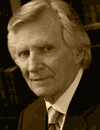 David Wilkerson
in Our High Priest
Read in context
Since He has entered, by whom we are everywhere represented, this guarantees our entrance into the Glory of God.
C.H. Spurgeon
in Our Lord's Entrance Within the Veil
Read in context
His every day and every hour is ceaseless energy of interceding love.
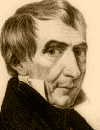 Henry Law
in Prevailing Intercession
Read in context
He belongs to us and His one occupation is to represent us, befriend us, and help us in time of need.
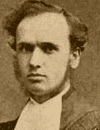 A.B. Simpson
in Our Great High Priest
Read in context
There is no form of affliction which He has not shared.
A.B. Simpson
in Our Great High Priest
Read in context
Sometimes we are so taken up with the accuser that we forget all about our Advocate Who is praying for us.
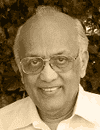 Zac Poonen
in Jesus Ever Lives to Make Intercession for Us (Hebrews 7:25)
Read in context
Jesus has walked in your shoes and that is what makes Him a merciful High Priest.
David Wilkerson
in Our Merciful High Priest
Read in context
He is our Great High Priest, touched with the feeling of our infirmities, tempted in all points as we are--and in our sorrows, griefs, and trials encircling us with the many-folded robe of His tender, loving sympathy.
 Octavius Winslow
in Christ's Sympathy to Weary Pilgrims
Read in context
The names of the true Israel are on His shoulders--a token that all His strength is theirs to uphold them.
Henry Law
in Melchizedek
Read in context
The names are on His breast--a token that, while His heart beats, it beats for them.
Henry Law
in Melchizedek
Read in context
Believer in Jesus, upon the heart of that officiating High Priest your name is written; in the smoke of the incense which has gone up from that waving censer your prayers are presented.
Octavius Winslow
in And Another Angel Came and Stood at the Altar
Read in context
Jesus' blood cleanses them, Immanuel's merit perfumes them, and our glorious High Priest thus presents both our person and our sacrifice to his Father and our Father, to His God and our God.
Octavius Winslow
in And Another Angel Came and Stood at the Altar
Read in context
There is but one Presenter of that one Sacrifice and never can there be another, since the One is all-sufficient and He never dies!
C.H. Spurgeon
in The Ever-Living Priest
Read in context
Since he is the intercessor for souls, there is no reason why you should start back, but every reason why you should boldly come to the throne of the heavenly grace, because you have a High Priest who is passed into the heavens.
C.H. Spurgeon
in The Approachableness of Jesus
Read in context
Every child of God is priest in light of his birth, his blood relationship to the Great High Priest; but this is not enough: he will exercise his power only as he accepts and realizes his consecration.
 Andrew Murray
in An Holy Priesthood
Read in context
It is the Spirit's solemn will that we should know and use this Great High-priest.
Henry Law
in The Priest
Read in context
It is a sin, a shame, a folly, and a loss, to live apart from Him who ever lives for you.
Henry Law
in The Priest
Read in context
We have a fully qualified High Priest in our Lord Jesus Christ—He is perfect in that capacity.
C.H. Spurgeon
in Our Sympathizing High Priest
Read in context
What Scripture says
- Hebrews 4:14 a great high priest who has passed through the heavens
- Hebrews 2:17 made like His brothers to be a merciful and faithful high priest
- Hebrews 4:15 able to sympathise with our weaknesses, yet without sin
- Hebrews 4:16 approach the throne of grace with confidence
- Psalm 110:4 a priest forever in the order of Melchizedek
- Hebrews 7:25 He always lives to intercede
- Hebrews 7:27 He offered up Himself once for all
- Hebrews 9:24 He entered heaven itself to appear for us
- Hebrews 10:11-12 one sacrifice for sins, and then He sat down
- 1 John 2:1 an advocate before the Father
- Hebrews 8:1-2 the point of the whole teaching
How this page is made: the quotes are taken word for word from sermons on SermonIndex and checked against them by program before the page is published. The transcripts of audio and video sermons are machine-made, so follow the link to hear the words as they were spoken. The answer above the quotes is an overview with its sources listed; it is not a statement of doctrine by SermonIndex.