
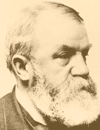
Thoughts for the Quiet Hour - June 10
God holds us accountable for our potential and faithfulness, and we must strive to be diligent and productive in our service to Him.
D.L. Moody emphasizes the importance of being diligent and faithful in our service to God, as illustrated in the parable of the talents. He reminds us that God evaluates us not solely on our current abilities or possessions, but on our potential and the opportunities we have to grow and serve. The contrast between the faithful servant and the slothful servant serves as a call to action for believers to maximize their gifts and responsibilities in the Kingdom of God.
Text
Well done, good and faithful servant...Thou wicked and slothful servant. --Matthew 25:21, 26
God holds us responsible not for what we have, but for what we might have; not for what we are, but for what we might be. --Mark Guy Pearse
Sermon Outline
- Responsibility and Potential
- The Call to Faithfulness
- The Consequences of Slothfulness
- Slothfulness leads to a lack of productivity and purpose
- We must strive to be diligent and faithful in our service to God
Key Quotes
“God holds us responsible not for what we have, but for what we might have; not for what we are, but for what we might be.” — D.L. Moody
“Well done, good and faithful servant...Thou wicked and slothful servant.” — D.L. Moody
Application Points
- We must strive to be diligent and faithful in our service to God, and not let slothfulness hold us back.
- We should focus on our potential and what we might be, rather than what we have and who we are.
- Being a good and faithful servant is a choice that we must make every day.