
The concept of a Compassionate Savior is a central theme in the Bible, emphasizing God's loving and merciful nature towards humanity. In the New Testament, Jesus Christ is portrayed as the embodiment of this compassion, healing the sick and comforting the afflicted, as seen in Matthew 9:36, where it is written, "When he saw the crowds, he had compassion on them, because they were harassed and helpless, like sheep without a shepherd." This compassionate character of God is also reflected in the Old Testament, such as in Psalms 103:8, which states, "The Lord is compassionate and gracious, slow to anger, abounding in love," and is further reinforced in Psalms 23:1, where David declares, "The Lord is my shepherd, I lack nothing," highlighting God's gentle care for his people. Through his compassionate actions and teachings, Jesus demonstrates the heart of a loving God, inspiring Christians to emulate this same compassion in their relationships with others.

A.B. Simpson emphasizes the dual nature of Jesus Christ as both the righteous King and the compassionate Man, drawing from Isaiah 11. He contrasts the oppressive reign of kings like Ahaz with the promise of a King who will rule in righteousness and justice, providing hope and refuge. Simpson highlig

John Gill expounds on the doctrine of justification by the righteousness of Christ, emphasizing that justification is distinct from pardon and is an act of God's grace where believers are declared righteous through Christ's imputed righteousness. He clarifies that justification is not based on human
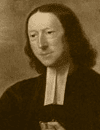
John Wesley emphasizes the significance of Christ as 'The Lord Our Righteousness,' urging believers to unite rather than engage in disputes that weaken the church. He highlights the importance of understanding and accepting Christ's righteousness, which is imputed to believers through faith, and war

Thomas Brooks emphasizes the necessity of humility in recognizing that our own righteousness is inadequate and worthless compared to the righteousness of Christ. He cites the Apostle Paul, who declares his desire to be found in Christ, devoid of personal righteousness. Brooks argues that true humili