
Ethics and theism are deeply intertwined within the biblical narrative, emphasizing that moral principles stem from a divine source. The Bible teaches that God is the ultimate standard of goodness, as reflected in Psalms 119:68, where it states, 'You are good, and what you do is good; teach me your decrees.' This understanding of ethics is not merely theoretical; it has practical implications for believers. For instance, in Matthew 22:37-39, Jesus summarizes the law and the prophets by commanding us to love God and our neighbors, illustrating that ethical behavior is rooted in our relationship with the divine. Furthermore, the Apostle Paul highlights the importance of living a life that reflects God's righteousness in Ephesians 5:1-2, urging believers to 'be imitators of God, therefore, as dearly loved children.' The ethical teachings found in Scripture serve as a guide for navigating moral dilemmas, encouraging believers to act justly, love mercy, and walk humbly with their God (Micah 6:8). Ultimately, the integration of ethics and theism reveals that a life aligned with God's will not only fulfills our purpose but also reflects His character to the world.
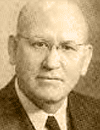
James Blaine Chapman preaches on the ultimate basis of ethics being Theism, emphasizing that our highest good and that of others is intertwined with our proper alignment with God. He highlights that everything, including knowledge, education, and art, finds its true value and goodness in its relatio