
Faith in God is a central tenet of Christian theology, emphasizing trust and reliance on a sovereign and loving deity. As expressed in Hebrews 11:6, "without faith it is impossible to please God," highlighting the necessity of faith in one's relationship with the divine. The Bible encourages believers to have faith in God's provision and care, as seen in Psalms 23:1, which states "the Lord is my shepherd, I lack nothing," and in Romans 8:28, which assures that "in all things God works for the good of those who love him." Through faith, Christians are able to trust in God's plan and purposes, even in the midst of uncertainty and adversity, as they seek to deepen their understanding of and intimacy with God.

Jack Hibbs delivers a powerful sermon on 'The Discipline of Disappointment,' emphasizing that disappointment is an inevitable part of life that can be managed through faith in God. He explains that unreasonable expectations often lead to disappointment and encourages the congregation to place their

Bakht Singh emphasizes the significance of recognizing the Lord as our Rock, Fortress, Deliverer, and God, illustrating how these attributes provide spiritual security and strength in life's trials. He draws parallels between the experiences of David and the believer's journey, highlighting the nece

Steve Evans emphasizes the transformative power of God through the story of Ezekiel's Valley of Dry Bones, illustrating that even the most hopeless situations can be revived by faith and the anointing of the Holy Spirit. He challenges the congregation to consider their own ministries and the areas i

Edwin H. Waldvogel emphasizes that Jesus Christ is the great physician for both our souls and bodies, asserting that healing is part of the atonement achieved on the cross. He encourages believers to recognize the numerous accounts of healing in the New Testament and to have faith in God's promises,

Aimee Semple McPherson delivers a powerful sermon on 'Divine Healing in the Word of God,' emphasizing that Jesus Christ is unchanging and continues to heal today as He did in the past. She illustrates how healing is woven throughout the Bible, from Genesis to the New Testament, and asserts that fait

David Wilkerson emphasizes that the battles we face are ultimately the Lord's, not ours. He draws from 2 Chronicles 20, where King Jehoshaphat and his people seek God in the face of overwhelming odds, reminding us that when we feel powerless, we should turn our eyes to God. Wilkerson encourages beli

Shane Idleman emphasizes the importance of finding hope in a seemingly hopeless world, particularly for the youth. He discusses the overwhelming influence of social media and the need for young people to seek God wholeheartedly, using biblical examples of young figures like Josiah and Daniel to illu

Charles Finney addresses the critical issue of unbelief, defining it as the absence of faith and highlighting its various manifestations, such as worldly-mindedness, anxiety, and apathy towards the gospel. He emphasizes that unbelief is unreasonable and wicked, as it leads individuals to neglect the

Leonard Ravenhill emphasizes the power of prayer through the story of Peter's miraculous escape from prison, highlighting the early church's unwavering faith and commitment to prayer without ceasing. He contrasts the desperate situation of Peter, bound by chains and guarded by soldiers, with the chu

Andrew Murray emphasizes the foundational principle of having faith in God as the key to effective prayer. He explains that true faith arises from a personal relationship with God, where believers must see and hear Him to fully trust His promises. Murray illustrates that faith is not just about gras
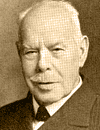
Smith Wigglesworth shares powerful testimonies of divine healing, recounting his own miraculous recovery from appendicitis after a visitor commanded a demon to leave him. He emphasizes the importance of glorifying God for these healings, including instances where he anointed others and witnessed the

Watchman Nee addresses the critical issue of finance in ministry, emphasizing that the early apostles relied solely on God's provision rather than human support. He argues that true faith in God eliminates financial concerns, allowing workers to focus on their spiritual mission without being influen

George Mueller addresses the destructive nature of unbelief, describing it as the 'white devil' that prevents sinners from approaching Jesus Christ. He explains how unbelief masquerades as wisdom, convincing individuals of their unworthiness and unpreparedness to receive grace. This sin not only und

E.M. Bounds emphasizes the transformative power of answered prayer, asserting that it elevates prayer from mere routine to a dynamic force that aligns with God's will. He argues that unanswered prayers stem from improper requests and that true prayer is validated by its responses, which serve as evi

R.A. Torrey emphasizes the critical choice between believing God's Word or man's opinions, asserting that God's truth remains unshaken despite human disbelief. He argues that many people place their faith in the fallible words of men, including scientists and philosophers, while dismissing the etern
David Wilkerson emphasizes the lesson Jesus taught Philip when faced with the impossible task of feeding a multitude. Jesus, aware of the challenges, asked Philip how they would solve the problem, highlighting the importance of faith in seemingly hopeless situations. Wilkerson draws parallels to tod
George Müller emphasizes the importance of faith in God's sovereignty over life's circumstances, recounting a miraculous incident during his journey to Quebec. Despite the dense fog that seemed to make his travel impossible, Müller confidently declared that his focus was not on the fog but on the li
Andrew Murray emphasizes the necessity of recognizing our powerlessness in faith, using the story of Jairus to illustrate how deep distress can prepare our hearts to believe in Christ's promises. He encourages believers to approach Jesus with humility and prayer, especially in times of hopelessness,
Andrew Murray emphasizes the powerful examples of George Mueller and Hudson Taylor in demonstrating the efficacy of prayer and faith in God. Mueller's unwavering belief in God's will to save and his commitment to prayer led to remarkable answers, including the salvation of thousands and the support

G. Campbell Morgan emphasizes that the problem of pain is uniquely felt by believers, as it arises in the context of faith and the awareness of God's presence. He explains that while pain exists universally, it becomes a profound challenge for those who believe in God, leading them to question His a
R.A. Torrey emphasizes the importance of persistent prayer as taught by Jesus in Luke 18:1-8, illustrating the need for believers to continually seek God, especially in times of injustice and oppression. The parable of the unjust judge and the persistent widow serves to highlight God's readiness to
Andrew Murray emphasizes the certainty of answers to prayer, as taught by Jesus in the Sermon on the Mount. He highlights the importance of asking, seeking, and knocking, illustrating that these actions lead to receiving gifts from God and finding a deeper relationship with Him. Murray points out th

C.H. Spurgeon emphasizes that the battle belongs to the Lord, assuring believers of victory through divine power rather than human strength. He points out that even the people of Israel often forget this truth, relying too much on their own resources like swords and spears. Spurgeon encourages belie
Andrew Murray emphasizes the power and assurance of prayer in his sermon 'Ask, and It Shall Be Given You.' He highlights that Jesus encourages believers to confidently ask, seek, and knock, assuring them that every request made in faith will be answered. Murray explains the importance of understandi
Smith Wigglesworth emphasizes the transformative power of resurrection life in Christ, urging believers to embrace the mind of Christ and experience divine illumination. He describes how the resurrection touch brings life to the dead and healing to the weary, encouraging believers to take steps of f

A.W. Tozer emphasizes the peril of placing hope in anything other than faith in God, arguing that hope without a solid foundation can lead to despair and disappointment. He contrasts the hope of the righteous, which is anchored in God's promises, with the treacherous hope of the wicked, which ultima
Andrew Murray emphasizes the necessity of a life devoted to prayer, urging believers to rejoice, pray without ceasing, and give thanks in all circumstances. He illustrates that true prayer arises from a heart fully surrendered to God, filled with faith and confidence in His promises. Murray highligh

Theodore Epp emphasizes that Elijah, though a remarkable prophet, was just like us--human and vulnerable. His strength came from his complete submission to God, which enabled him to boldly confront King Ahab and declare God's judgment. Epp highlights that Elijah's confidence stemmed from his relatio
Theodore Epp emphasizes the importance of relying on God's daily provision, as illustrated by Elijah's experience and the widow of Zarephath. Despite the dire circumstances, both demonstrated faith in God's ability to meet their needs one day at a time. Epp draws parallels to the necessity of daily
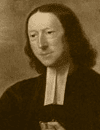
John Wesley emphasizes the ongoing necessity of repentance and faith in the life of believers, arguing that these are not merely initial steps but essential for spiritual growth and perseverance. He explains that true repentance involves a deep awareness of one's sinfulness and helplessness, even af

John Gill expounds on the exhibitions of the covenant of grace during the patriarchal state, illustrating how it was revealed from Adam to Abraham. He emphasizes the significance of key figures such as Adam, Abel, Noah, and Abraham, each representing aspects of God's grace and the promise of salvati

K.P. Yohannan emphasizes the challenge of following God's call and the temptation to return to a more comfortable life, despite the struggles that come with it. He highlights how the devil uses fear of the unknown to persuade us to turn back, drawing parallels with the Israelites who, despite their

Chuck Smith emphasizes the significance of the gift of miracles as a manifestation of the Holy Spirit, explaining that miracles are divine acts that transcend human limitations. He illustrates this through biblical examples, such as the miracles performed by Moses, Elijah, and Jesus, asserting that
K.P. Yohannan shares a powerful message about recovery after failure, emphasizing that it is not the magnitude of our sins that determines our restoration, but our response to them. He recounts the story of a well-known minister who fell into adultery but found redemption through sincere repentance
David Wilkerson emphasizes that true resignation to God's will requires a genuine act of faith, not just empty words. He illustrates that many people only surrender when they are at their wit's end, but God desires a willing and complete surrender from the start. Using examples from the Bible, such

T. Austin-Sparks emphasizes that God's means of achieving His purpose in believers is through the Spirit of sonship and the Cross. He explains that true relationship with God begins with the cry of 'Father' and that the Spirit must work within us to form Christ. Sparks reassures that our spiritual s

Horatius Bonar emphasizes the significance of faith in understanding the creation narrative in Genesis 1, asserting that God, the one true Creator, brought the universe into existence from nothing. He describes the initial chaos and darkness that existed before God's creative act, followed by the li

A.B. Simpson emphasizes the importance of casting our burdens on the Lord, reminding us that while our struggles may feel overwhelming, they are light for God. He illustrates that Christ carries our burdens effortlessly, as He governs the world with strength and grace. Simpson encourages believers t
A.W. Tozer emphasizes that every Christian should recognize the incredible promises of an eternal inheritance from God, which is not based on personal merit but on our faith and relationship with Him. This divine inheritance is a gift from the One who owns everything, given to those He delights to h
A.W. Tozer emphasizes the importance of accepting personal responsibility in one's spiritual life, asserting that regardless of how twisted one's life may be, hope exists if one maintains a right attitude toward God. He argues that faith should not acknowledge any third party in the relationship wit
C.H. Spurgeon emphasizes the importance of placing our true treasure in heaven rather than on earthly possessions, which are subject to decay and theft. He illustrates that while worldly wealth can be lost, faith in God remains a secure and eternal treasure. Believers should view their earthly posse
T. Austin-Sparks emphasizes the significance of the words 'heavenly' and 'faith' in the Christian life, particularly as presented in the Letter to the Hebrews. He illustrates how God consistently places His people on a supernatural basis, demonstrating that true faith involves trusting in God's abil
A.W. Tozer emphasizes the profound power of prayer, asserting that it is the driving force behind God's actions in the world. He reflects on Tennyson's assertion that prayer accomplishes more than we can imagine, highlighting that prayer, when offered in faith, connects us to God's omnipotence. Toze
David Wilkerson addresses the issue of fear and unbelief in the lives of Christians, drawing parallels to Israel's idolatry and their lack of faith in God's promises. He emphasizes that fear can be contagious and that God calls His people to trust Him for victory, just as He did with Gideon. Wilkers
K.P. Yohannan emphasizes the power and importance of the prayer of faith, illustrating that God delights in answering those who diligently seek Him. He references Hebrews 11:6 and Matthew 7:7 to affirm that God is eager to respond to our prayers, as demonstrated through biblical figures like Corneli
Chuck Smith emphasizes that the Israelites found themselves in an impossible situation, trapped between the mountains and the sea, with the Egyptian army closing in. He explains that God led them into this predicament to demonstrate His power and presence, urging them to trust Him even when circumst
Chuck Smith emphasizes the significance of David's faith and past victories in overcoming the giant Goliath. He highlights how David's previous encounters with a lion and a bear prepared him for this moment, showcasing the importance of remembering God's past deliverances. Smith encourages believers
Chuck Smith emphasizes God's method of victory as demonstrated in II Chronicles 20:14, where Judah faced overwhelming odds against invading nations. In their despair, they turned to God, seeking His guidance through prayer and fasting, recognizing His past faithfulness and power. God reassured them
Chuck Smith addresses the profound question of life after death, emphasizing that it is a concern that resides in the subconscious of every individual. He asserts that Jesus confirms the existence of life beyond death, referencing the scriptures as the foundation for this belief. By citing the encou
David Wilkerson emphasizes King Hezekiah's reliance on God's power for deliverance when faced with the Assyrian army. Hezekiah humbles himself, seeking God's guidance through prayer and acknowledging his own helplessness. God responds through the prophet Isaiah, assuring Hezekiah that any enemy of h
David Wilkerson emphasizes that unbelief is the primary reason God's people failed to enter His rest, despite witnessing numerous miracles and receiving constant revelations of God's goodness. He points out that their lack of faith, rather than sins like adultery or covetousness, led to God's anger
David Wilkerson emphasizes that throughout history, many have believed they can withstand calamities without faith in God, likening them to the spiritually blind described by Isaiah. He warns that reliance on wealth will prove futile when divine judgment comes, as seen in the historical context of J
George Mueller shares a remarkable testimony of faith when faced with a leaking boiler at the Orphan House, which threatened the warmth and safety of the children during winter. Despite the challenges and uncertainties, he chose to trust in God, praying for a change in the harsh north wind to a gent