
In the Bible, grace (Greek: "charis"; Hebrew: "chen" or "hesed") fundamentally refers to the unmerited favor and love of God toward humanity. It signifies a gift that cannot be earned or deserved, emphasizing God's kindness and generosity. The New Testament elaborates on this concept extensively, particularly in the teachings of the Apostle Paul. For instance, Ephesians 2:8-9 states, "For by grace you have been saved through faith, and that not of yourselves; it is the gift of God, not of works, lest anyone should boast." This passage encapsulates the idea that salvation is a gracious act from God, highlighting human inability to achieve righteousness on their own.In the Old Testament, grace is often associated with God's covenant faithfulness and mercy. For example, in Exodus 34:6-7, God reveals Himself as "compassionate and gracious, slow to anger, abounding in love and faithfulness." This underscores that grace is not merely a New Testament concept but a consistent theme throughout the Scriptures. Grace is also linked to empowerment; as seen in 2 Corinthians 12:9, where Paul recounts God's assurance that "My grace is sufficient for you, for my power is made perfect in weakness." Thus, grace in the biblical context encompasses both the gift of salvation and the ongoing strength believers receive to live out their faith.

In this sermon, the speaker emphasizes the importance of tapping into God's resources to fulfill the Great Commission. He highlights the urgency of reaching lost souls who are headed for eternal damnation. The speaker explains that there are only two ways to reach these people: either by going and p

Paris Reidhead emphasizes the transformative power of grace in the life of a believer, urging the congregation to present their entire selves to Christ so that He may live through them. He explains that this act of surrender allows believers to fulfill their purpose of bringing others from death to

In this sermon, the preacher emphasizes the importance of preaching the passion and compassion of God rather than a hard religion that people cannot live up to. He shares that preaching in the strength of God, rather than one's own strength, leads to greater effectiveness and fulfillment. The preach
In this sermon, the speaker discusses the innate hunger and desire for knowledge that God has placed within us. He explains that we learn sequentially, one thing at a time, unlike God who knows everything simultaneously. The speaker emphasizes the importance of caring for others and praying for work

Art Katz emphasizes the significance of Israel's election and covenant with God, arguing that this relationship is not based on human merit but solely on God's sovereign choice. He highlights the danger of humanistic thinking within both Israel and the church, which often seeks righteousness through

Roy Hession emphasizes the significance of the name Jehovah Tsidkenu, meaning 'The Lord Our Righteousness,' as prophesied in Jeremiah 23:5. He explains that this name encapsulates the essence of the Gospel, which offers divine righteousness to those who believe, regardless of their past failures. He

In this video, the speaker discusses the basics of the gospel of Jesus Christ and emphasizes the importance of understanding these basics. The three main points of focus are grace versus law, faith versus works, and spirit versus flesh. The speaker encourages the audience to study the letter to the

In this sermon, the speaker discusses the downward spiral of the nation of Israel as they turned away from God. Despite God sending prophets to warn them and call them back to Him, the people refused to listen and even persecuted the prophets. The speaker then focuses on Ezekiel chapter 11, where Go
In this sermon, the speaker reflects on his own journey of being chosen by God and the impact it had on his life. He emphasizes that when God calls someone, it is part of a pre-existing plan. The speaker then references Romans 8:28 and discusses how the grace of God guided the life of Jacob, even be

George Verwer emphasizes five key words for Easter, focusing on grace, discipline, vision, harvest, and being proactive in our faith. He highlights Galatians 2:20 as a central message, urging believers to live a crucified life where Christ lives in them. Verwer addresses the issue of nominalism in t

In this sermon, the preacher focuses on the story of Jonah and how God works in his life. The preacher highlights how God provides for Jonah's needs, such as sending a great wind, a great fish, and a worm. Despite God's provision, Jonah's heart is not fully committed to God's purpose. The preacher e

In this sermon, the preacher discusses the encounter between Jacob and God. Jacob, who was not a prodigal son returning to God, was taken by surprise when God appeared to him. Despite Jacob's past experiences, God showed him grace and made promises to him. God promised Jacob that his influence would

In this sermon, the speaker reflects on his own journey of understanding and preaching the gospel. He admits that initially, he only had theoretical knowledge and lacked the ability to connect with people on a deeper level. However, he emphasizes the importance of going out and encountering those wh

In this sermon, the preacher emphasizes the importance of growing in grace and knowledge as a follower of Christ. He references the theme verse of 2 Peter, where Peter writes with love and care for the sheep of God. The preacher then poses the question of whether our spirits are growing or going, ur
In this sermon, the preacher discusses the story of Jacob's dream as described in the Bible. He emphasizes that even when we feel unworthy or guilty, God still reaches out to us with love and grace. The preacher highlights the hymn that was sung, which expresses the idea that God doesn't come to fin
In this sermon, the preacher emphasizes the power of repentance and the grace of God. He encourages listeners to turn to God and repent from their sins, highlighting that God is gracious, merciful, and kind to sinners. The preacher also mentions the story of Peter's preaching on the day of Pentecost

Colonel John Lawley shares a heartfelt message about the overwhelming love of the Savior, who sacrificed everything to save sinners like us. He emphasizes the joy of salvation, illustrating how our sins, though towering like mountains, are washed away in the fountain of Christ's grace. The sermon in
In this sermon, the speaker focuses on the story of Jacob wrestling with a mysterious figure. Jacob wrestles with this figure, who is later revealed to be the Lord Jesus, and refuses to let him go until he receives a blessing. The speaker emphasizes that Jacob's determination to hold on to God and s
In this sermon, the preacher emphasizes the importance of being willing to be overcome and conquered by God in order to receive His grace. He refers to a hymn by George Matheson that speaks about surrendering our will to God in order to prevail and be set free. The preacher also highlights the signi
In this sermon, the preacher emphasizes the importance of worshiping the Lord in the beauty of holiness rather than relying on superficial appearances. He shares the story of Duncan Campbell, a revivalist who experienced God's grace after being left for dead on the battlefield during World War I. Th

In this sermon, the speaker emphasizes the importance of hallowing God's name and glorifying Him above all else. He shares his struggle in deciding what to speak about and highlights the purpose of gathering for four days, which is to be transformed and equipped to be witnesses for God. The speaker
In this sermon, the preacher focuses on the story of Jacob and his encounter with his brother Esau. Jacob is filled with fear and distress upon hearing that Esau is coming to meet him with four hundred men. In response, Jacob divides his people and possessions into two groups, hoping that if one is

In this sermon, the preacher focuses on the concept of sin and the need for a savior. He refers to a well-known verse in Romans chapter three, verse 23, which states that all have sinned and fall short of the glory of God. The preacher emphasizes that this applies to everyone, regardless of their po

Don McClure emphasizes that salvation is based on grace, not works, using Abraham as a prime example of faith. He explains that Abraham was justified not by his actions but by his belief in God, highlighting that all humans are inherently lost in sin and cannot earn their way to righteousness. McClu
In this sermon, the speaker shares about their experience of being part of videos taken in a world city where Jesus was at work. They received letters from people around the world who watched the videos and experienced healing and deliverance. The speaker emphasizes the power of ministering to one p
Roy Hession explores the story of Zacchaeus, emphasizing that true transformation comes not from striving to be better but from recognizing our need for grace. Zacchaeus, a tax collector, climbed a tree to see Jesus, symbolizing our attempts to elevate ourselves spiritually. However, it is Jesus who
In this sermon, the speaker discusses the concept of freedom in the New Testament. He emphasizes that freedom does not mean being completely immune to evil, but rather being made free from sin. The speaker highlights the importance of understanding that through Christ, our sins are taken away and we
In this sermon, the preacher emphasizes that although troubles may seem endless, there is always a way out and light at the end of the tunnel. The devil may try to convince us otherwise, but we must remember that God delights in showing mercy. The preacher references Isaiah 57:15-16, which states th

Zac Poonen addresses the misconception that a life surrendered to Christ is boring and burdensome, emphasizing that true Christianity is exciting and fulfilling. He encourages young people to reject the false images of religious life that the devil presents and to embrace the light yoke of Jesus, wh
In this sermon, Mr. Moody addresses the issue of spiritual dryness and the need for constant refilling. He uses the analogy of leaking to explain how believers can lose their zeal and passion for God due to life's challenges and disappointments. He emphasizes the importance of seeking God for refill

In this sermon, the speaker provides a quick overview of the book of Romans. He explains that in Romans 1-3, Paul establishes the universal sinfulness of humanity, highlighting the need for God's grace. In Romans 4-5, Paul emphasizes that acceptance with God cannot be achieved through keeping the la

David Ravenhill emphasizes the sacrificial nature of Christ through the parable of the Prodigal Son, illustrating how the fatted calf symbolizes the perfect sacrifice of Jesus. He reflects on the dangers of pride and legalism, warning that even those who appear righteous can stray far from God. Rave
In this sermon, the preacher focuses on Romans 6 and discusses the mechanics of the Christian life. He emphasizes the importance of knowing that we have died with Christ, been buried with Him, and are now alive with Him. The preacher also highlights the need to count these truths as real and to stop
In this sermon, the preacher emphasizes the importance of prioritizing the scripture over the speaker's interpretation. He encourages the audience to write down the scripture on a 3x5 card and keep it visible as a reminder. The preacher then shares a story about an auction where a woman is sold and

In this sermon, the preacher emphasizes the importance of receiving new life from God. He highlights that religious practices and steps are not enough if one does not have spiritual life imparted by God. The preacher explains that grace is the key to receiving forgiveness, justification, righteousne

John Piper explores the parable of the prodigal son, reimagining the characters and their emotional journeys. The younger brother, Nikva, reflects on his shame and longing for his father's love, while his sister Hayanita seeks to bring him home. As they approach their father, the father's overwhelmi

Dai Patterson emphasizes the transformative power of God's grace in the sermon 'Washed', using Gideon's story to illustrate how true desperation for God leads to genuine offerings and the necessity of being washed, sanctified, and justified through Christ. He highlights that our sacrifices must be l

In this sermon, the preacher focuses on the prophecy of Zechariah in chapter four. He explains that Zechariah received eight visions in one night, and the sermon concentrates on verses six through ten. The preacher tells a story to draw connections between the past and present, emphasizing the impor

John Lawley shares a heartfelt message about the overwhelming love of the Savior, who sacrificed everything to save sinners. He emphasizes the joy of salvation, illustrating how one's name can rise high like a mountain, symbolizing the grace and redemption found in Christ. The sermon encourages beli

In this sermon, the preacher emphasizes the importance of getting to a specific place, which he refers to as "there." He encourages the audience to focus on this place and hold firmly to their faith in Jesus, who has ascended into heaven. The preacher explains that this place is a throne of grace,

In this sermon, the preacher emphasizes the importance of denying oneself and seeking a deeper knowledge of Christ Jesus. He highlights that there is a great search among the people of God, but only a few truly have this life that is necessary. The preacher encourages the audience to hold on to Jesu
In this sermon, the speaker emphasizes the importance of understanding God as our Father. He highlights that when we pray, we are not approaching a distant God, but rather our loving Father who provides protection, identity, and supplies for us. The speaker also emphasizes that everything God does i
In this sermon, the preacher emphasizes the concept of freedom through redemption in Christ Jesus. He explains that through Christ, believers are set free from the enslaving power of sin. The preacher highlights that sin brings condemnation from God, regardless of the number of sins committed. He al
Paul West reflects on John Newton's poignant imagery of seeing Christ on the cross, emphasizing the transformative power of that moment when the weight of sin is confronted. The sermon highlights the deep emotional impact of Christ's gaze, which conveys both the gravity of our sins and the profound

In this sermon, the speaker emphasizes that grace is not just for salvation, but also for living a new and transformed life. He explains that Jesus Christ, who is the embodiment of God's grace, came to show us how to live in relation to God the Father. The speaker highlights that true freedom and li
Neil Fraser emphasizes the importance of personal faith and the sufficiency of God's grace in his sermon at the Koronis Conference. He illustrates this through the story of a widow in 2 Kings 4, who, despite her dire circumstances, discovers that even a small amount of oil in God's hands can provide
In this sermon, the speaker addresses the elders among the audience, urging them to be shepherds of God's flock. He emphasizes the importance of serving willingly and not for personal gain, and encourages leaders to be examples to those under their care. The speaker also discusses the challenges of

In this sermon, the speaker addresses the negative influence of social media, particularly Facebook, on the Christian life. While acknowledging its potential for good, the speaker emphasizes the danger of being consumed by the "selfie generation" and giving in to worldly desires. The sermon highli

In this sermon, the speaker begins by expressing his gratitude for the church's emphasis on the Bible. He shares a personal story about how the Bible has shaped his life and made it meaningful. The speaker then discusses the importance of grace and encourages the congregation to be bold in their res

The sermon transcript discusses the importance of living a righteous and godly life in the present age. It emphasizes the need to receive and demonstrate the grace of God in one's life. The passage from Titus 2:11 is referenced, which speaks of the grace of God that brings salvation to all men. The

In this sermon, Pastor Steve Mays shares a personal anecdote about his grandson wanting to go to the zoo but not having enough time. He then transitions into discussing how sometimes in life, we feel like we've been set up or treated unfairly. He emphasizes that God is not embarrassed by the challen
Robin McKeown emphasizes the necessity of salvation, illustrating that we have nothing to pay and nothing to do for our redemption, as Christ has completed the work on the cross. He references the story of a sinful woman who, despite her past, finds forgiveness through her faith in Jesus, contrastin
In this sermon, the speaker shares personal experiences and reflections on the grace of God. He talks about how he prayed for one of his children to go to Africa and spread the gospel, and how God answered that prayer. He also mentions how his family has been blessed with sons-in-law living in their

Todd Atkinson emphasizes the importance of maintaining a right spirit in our interactions with others, particularly when faced with rejection or disappointment. He reflects on the disciples' reaction to the Samaritans' lack of welcome towards Jesus, highlighting their desire to call down judgment ra

In this sermon, the speaker reflects on the question of what the early Christians had that the present generation seems to lack. He stands up and reads the entire book of Acts, searching for the answer. Eventually, he concludes that the early Christians had three simple things: a commitment to do Go

In this sermon, the speaker shares a story about a hypothetical situation where a person is driving a two-seater car on a rainy night and comes across three people at a bus stop: a little old lady, a famous surgeon who once saved their life, and a beautiful girl they have been interested in. When as

In this sermon, the preacher focuses on the concept of the "manifold grace of God" mentioned in 1 Peter 4:10. The preacher emphasizes that this grace is a revelation of God's infinite resources and strength, demonstrated through His pains and sufferings for humanity. The preacher highlights that g
The video is a sermon transcript from a preacher named William A. Bias. He emphasizes the importance of prioritizing the scripture over the speaker's interpretation. He encourages the audience to write down key scriptures on a three by five card and keep it visible as a reminder. The preacher also s

In this sermon, the speaker recounts a powerful experience of going to an abandoned building to share the message of Jesus. Despite the fear and darkness, they were determined to bring the light of God's love to those gathered there. The speaker emphasizes the importance of receiving the truth of Go

John Bunyan, in his sermon on his own conversion, recounts his tumultuous journey from a life of sin, characterized by profanity and atheism, to a profound spiritual awakening. Despite his initial zeal for mischief and a hardened conscience, a sermon on Sabbath-breaking ignited a deep internal strug

John Vissers explores the profound themes of grace and salvation in the story of Jonah, emphasizing that true salvation comes from the Lord. He draws parallels between Jonah's experience and the teachings of the Apostle Paul in Ephesians, highlighting that both emphasize salvation by grace through f
Phil Beach Jr. emphasizes the necessity of confession and humility before God, warning against the hypocrisy of worshiping with empty words while harboring pride and sin in our hearts. He illustrates the importance of being transparent and honest about our faults, both to God and to one another, as

Andrew Murray emphasizes that true humility is rooted not in a constant focus on sin, but in the recognition of God's grace and the displacement of self by God. He illustrates this through the life of the Apostle Paul, who, despite his past as a sinner, found his identity in being a ransomed sinner

Watchman Nee emphasizes the relationship between fact, faith, and experience in the context of God's grace. He explains that salvation and all spiritual blessings are accomplished by God and are facts that believers must acknowledge through faith. Faith acts as a means to 'cash in' on these facts, a
John Vissers explores the story of Jonah, emphasizing the theme of personal responsibility and the consequences of running from God's call. Jonah's admission of guilt leads to a turning point where he acknowledges that his actions have caused turmoil for others, ultimately becoming a vessel of salva
Phil Beach Jr. emphasizes the transformative power of God's grace, urging believers to move from a mindset of addition to one of multiplication in their spiritual lives. He illustrates this concept using the analogy of mathematical operations, highlighting that while addition yields limited results,

A.W. Tozer emphasizes that grace is the foundation of a believer's identity as a 'sinner-saved by the grace of God.' He explains that all of humanity, regardless of their faith status, benefits from God's grace through Jesus Christ, who is the source of life and sustenance. Tozer highlights that eve

John Gill expounds on the doctrine of justification, emphasizing its close connection with the pardon of sin. He clarifies that while pardon and justification are distinct, they are both essential aspects of salvation, with justification being the act of God declaring a sinner righteous through the
Phil Beach Jr. emphasizes the significance of God's grace in understanding our struggles with sin and the human tendency to rely on willpower instead of Jesus' power. He explores Proverbs 14:12 and 16:25, highlighting that what seems right to us can lead to destruction, and stresses the importance o

John Nelson Darby emphasizes the profound love and compassion of Jesus, who, even in His suffering, fully engaged with the sorrows of others. He contrasts the repentant robber, who recognized his guilt and sought grace, with the unrepentant thief, illustrating the human heart's enmity towards God. D

Chuck Swindoll emphasizes the transformative power of God's grace as articulated by the Apostle Paul in 1 Corinthians 15:10. He highlights three key statements: that God acts by His grace, that our identity is shaped by His grace, and that we are called to extend grace to others. Swindoll critiques
Zac Poonen emphasizes the distinction between mercy and grace, explaining that mercy pertains to the forgiveness of past sins, while grace is essential for our future needs, especially during times of temptation. He illustrates this with the example of Peter sinking in the sea, highlighting that in
John Gill discusses the authorship and context of 1 Peter, affirming that it was written by the Apostle Peter to a diverse group of Christians, primarily Jews, scattered across various regions. He emphasizes the epistle's authenticity and its purpose of encouraging believers to remain steadfast in t
Harry Ironside shares his personal journey of grappling with the concept of holiness, revealing the struggles and disillusionment he faced while adhering to the teachings of the holiness movement. He recounts a period of intense self-examination and disappointment, realizing that the pursuit of sinl
John Nelson Darby explores the Epistle to the Romans, emphasizing its purpose in revealing God's righteousness and the relationship between man and God. He contrasts the focus of Paul's epistles on justification and the relationship of the redeemed with the divine life presented in John's writings.

Shane Idleman encourages believers to find hope and strength in Christ even when they sin, emphasizing that while sin is a reality, it does not have to define us. He highlights the importance of assessing our spiritual health and maintaining a balance between grace and obedience, warning against the
John Nelson Darby emphasizes that the true motive for a Christian's actions should be Christ, which transforms even mundane tasks into acts of worship. He explains that while we navigate a world contrary to God, we are guided by Christ, who leads us on a divine path. Darby highlights the importance

Charles Finney addresses the misconceptions surrounding salvation by faith and the doctrine of entire sanctification, expressing concern that many Christians and ministers misunderstand the grace of God. He argues that both justification and sanctification are achieved through grace, and that it is

Horatius Bonar emphasizes that seeking Christ, even from selfish motives such as fear of wrath or desire for salvation, is not wrong. He argues that God created us with these instincts and expects us to respond to His appeals. Bonar reassures that true faith is being satisfied with Christ and His wo

Theodore Epp emphasizes the importance of understanding God's grace and warns against three significant errors that can distort true faith: legalism, false liberty, and Galatianism. Legalism mistakenly teaches that salvation is earned through works, while false liberty suggests that grace allows for

Robert Murray M'Cheyne emphasizes the significance of the New Covenant, which is made with the very people who broke the old covenant, showcasing God's grace and mercy. He highlights the better promises of the New Covenant, including God's promise to forgive sins and to write His laws on the hearts
Zac Poonen emphasizes that through God's divine power, believers are granted everything necessary for a godly life, enabling them to partake in Christ's nature and bear fruit. He highlights the importance of humility in receiving grace, which fosters unity among believers, reflecting the oneness tha

C.H. Spurgeon emphasizes that the best way to come to Christ is with the intention of receiving the fullness of His grace and love, rather than merely seeking minimal relief or a chance at salvation. He encourages believers to approach Jesus with the expectation of obtaining all that He has promised
Andrew Bonar addresses a friend in spiritual despair, emphasizing the importance of prayer and the dangers of pride that can hinder one's acceptance of God's grace. He highlights that feelings of despair often stem from a refusal to acknowledge one's absolute need for Christ's forgiveness and the te
C.H. Spurgeon emphasizes that grace is given to the humble, highlighting that those with humble hearts actively seek and receive grace abundantly. He encourages believers to adopt a lowly view of themselves, recognizing their neediness and unworthiness, which opens the door for God's grace to flow i

A.B. Simpson emphasizes the profound nature of glory as an overflow of grace and a divine connection to God, which quickened Christians can experience. He encourages believers to embrace the glory given by Christ, as expressed in John 17:22, and to awaken their own glory through God's power. Simpson
A.B. Simpson emphasizes the overwhelming power of grace in his sermon 'Grace Abounding,' illustrating how God's grace surpasses sin through various natural and biblical examples. He explains that just as a tree heals stronger after a wound, God's grace transforms the most sinful into vessels of His

David Wilkerson emphasizes that grace is not just unmerited favor but encompasses all that Christ is to us during our suffering, including power, kindness, and love. He shares personal experiences of enduring trials, including his family's health struggles, and how God's grace has been sufficient to

Major Ian Thomas emphasizes that grace is not merely the freedom to sin, but rather the power to resist sin and live righteously. He explains that God's grace trains us to renounce ungodliness and empowers us to lead self-controlled and godly lives. Through the redeeming work of Jesus Christ, grace
Smith Wigglesworth emphasizes the transformative power of great grace upon the Church, urging believers to magnify the Lord to experience His divine presence. He reflects on the early Church's purity and the necessity of being filled with the Holy Spirit, highlighting the miraculous works that follo
Andrew Bonar emphasizes Christ's silence as a profound expression of grace and forgiveness, illustrating how Jesus welcomed sinners without condemnation, allowing them to experience His love and mercy. He reflects on the story of the woman who washed Jesus' feet, highlighting that Christ's silence w

J.C. Ryle recounts his conversion experience, which began with a pivotal moment when he was rebuked for swearing by the father of his friend Algernon Coote, leading him to reflect on the contrast between his life and that of Christians. Although he did not convert immediately, this incident laid the
Horatius Bonar explores the themes of expulsion and re-entrance in the context of Genesis 3:24, emphasizing that God's act of expelling man from Paradise is not solely a judgment but also a demonstration of His grace and love. He highlights that while man is driven out due to sin, God's continued pr
C.H. Spurgeon emphasizes the astonishing grace of God in justifying the ungodly, highlighting that salvation is not reserved for the righteous but is available to all who recognize their sinfulness. He challenges the notion that one must be good to receive God's favor, asserting that it is precisely

Thomas Brooks emphasizes that while all saints are equally justified and accepted by God, they do not all possess the same degree of holiness. He explains that holiness varies among believers, with some receiving more grace and holiness than others based on their individual needs and circumstances.
Thomas Brooks emphasizes that the depth of our sins highlights the boundless grace and love of Christ, who extends His favor even to the most unlovely among us. He illustrates this truth through biblical examples like Paul and Mary Magdalene, who, despite their past transgressions, received profound
John Gill preaches on the overwhelming grace of God that surpasses the abundance of sin, emphasizing that while sin entered the world through Adam, grace reigns through Jesus Christ, offering justification and eternal life. He explains that the law was introduced to highlight the severity of sin, al
C.H. Spurgeon emphasizes the futility of pride in the Christian life, reminding believers that all they have is a gift from God and that they are no better than anyone else by nature. He urges Christians to reflect on their past state of sin and the grace that has transformed them, highlighting that

K.P. Yohannan shares a transformative story of a lawyer whose life changed after a tragic accident that forced him to confront his own imperfections. Through his journey of relearning basic skills, he developed compassion and grace towards others, especially his daughter, who he once would have crit
Andrew Murray emphasizes that all Christians stumble in various ways, highlighting the necessity of relying on God's grace to avoid discouragement and to maintain faith. He encourages believers to recognize their weaknesses without losing confidence in their surrender to God, and to understand that
C.H. Spurgeon emphasizes the dual role of a minister in his sermon 'A New Year's Benediction,' highlighting the importance of prayer alongside preaching. He reflects on the Apostle Peter's prayer for believers to receive four blessings: perfection, establishment, strengthening, and settling, all of

R.B. Jones emphasizes the profound significance of Jesus' final statement, 'It is finished' (tetelestai), which encapsulates the completion of the work of redemption. This declaration signifies not only the end of suffering and the payment for sin but also the victory and satisfaction of fulfilling
Horatius Bonar emphasizes that personal character and goodness cannot provide peace or acceptance before God, as God's judgment on sin is absolute and condemning. He argues that true conviction of sin reveals our helplessness and the futility of relying on our own efforts to gain favor with God. The
C.H. Spurgeon emphasizes that the Lord generously provides grace and glory, highlighting that grace is freely available and essential for our spiritual journey. He reassures that while we may face trials, God will supply the necessary grace to endure and grow. Spurgeon encourages believers to seek t
C.H. Spurgeon emphasizes the profound grace of Christ as demonstrated in the story of the dying thief, who, despite his sins and imminent death, found salvation through faith in Jesus. Spurgeon highlights that this act of grace is not an isolated incident but a testament to Christ's willingness to s
C.H. Spurgeon emphasizes that as God's creatures, we are all debtors to Him, obligated to obey Him fully. Despite our inability to repay our debts due to sin, Christ has paid the ultimate price, freeing believers from the debt of God's justice. This grace compels Christians to recognize their greate
C.H. Spurgeon emphasizes that through faith in Christ's atonement, believers transition from being slaves to becoming children of God. This transformation is not based on our works or the Spirit's actions but solely on God's unconditional love and grace. Spurgeon reassures that we are not bound by t
John Gill preaches on the profound concept of redemption through Christ, emphasizing that it is a vital blessing of grace stemming from His priestly office. He explains that redemption signifies being bought back, highlighting how Christ's sacrifice serves as the ultimate price for our freedom from

D.L. Moody emphasizes the importance of humility in receiving God's blessings, illustrating that true humility recognizes our need for grace and seeks to be filled with God's fullness. He contrasts genuine humility with the false humility that hinders us from accepting God's gifts, urging believers

John Sung emphasizes the abundant saving grace of God that is often despised, using the story of Simon the sorcerer from Acts 8 to illustrate how one can appear to believe yet remain unsaved. He highlights the importance of true repentance and the danger of hypocrisy, as seen in Simon's life, who de
John Gill preaches on the doctrine of grace, defending it against accusations of promoting licentiousness. He emphasizes that true grace leads to godliness and that the teachings of the gospel encourage a life of holiness rather than sin. Gill explains that while some may abuse the doctrine, the ess
Andrew Bonar emphasizes the necessity of trials and tribulations in life, using the metaphor of Christ calming the storm on the Lake of Galilee to illustrate how His atoning blood brings peace to troubled consciences. He points out that Christ required a guilty sinner to demonstrate the transformati
Chuck Smith emphasizes the importance of mercy in the life of a Christian, stating that being merciful is a fundamental characteristic that reflects one's true nature as a follower of Christ. He explains that mercy involves not just a feeling of pity but also a desire to alleviate the suffering of o
Chuck Smith emphasizes the significance of God's gifts, which are given freely by grace and cannot be earned or deserved. He discusses how self-righteousness and feelings of unworthiness can hinder us from accepting these gifts, urging believers to embrace their unique identities and roles within th

J.R. Miller emphasizes the transformative power of God's grace in the lives of believers, illustrating how the Ephesians were once dead in their sins but have been made alive through Christ. He highlights the importance of recognizing our past state of disobedience and the mercy of God that saved us
Smith Wigglesworth preaches about the transformative power of God's grace as demonstrated in the life of Saul, the notorious persecutor of Christians. He emphasizes that God chose to show mercy rather than judgment, leading to Saul's dramatic conversion on the road to Damascus. Wigglesworth highligh
John Nelson Darby emphasizes the profound simplicity and clarity of Scripture, particularly in Romans 5, which reveals the essential truths about our relationship with God. He explains how through faith in Christ's death and resurrection, believers are justified and can experience peace with God, ac
John Nelson Darby expresses deep gratitude for the power he feels in his ministry, attributing it to God's grace while simultaneously acknowledging his unworthiness and the humility it brings. He encourages his brethren to boldly witness the grace and power of Christ, recognizing that many are more
John Nelson Darby emphasizes the importance of strength in grace for Timothy's service, urging him to endure hardships and focus on spiritual labor rather than worldly affairs. He discusses the dual nature of the gospel, highlighting God's promises and the necessity of personal purity amidst the cha
John Nelson Darby emphasizes the disparity in human standards of good and evil, illustrating how individuals often judge themselves favorably while condemning others. He highlights the story of the woman caught in adultery, showing that both she and her accusers were guilty before God, and that true
A.B. Simpson expounds on Isaiah's Gospel, emphasizing the invitation to all who thirst to come and receive the abundant blessings of God without cost. He illustrates the richness of the gospel, which offers cleansing waters, comforting wine, nourishing milk, and the promise of eternal life and forgi
Watchman Nee emphasizes that true Christianity is about receiving God's grace, paralleling believers with Isaac, who was born into freedom, unlike Ishmael, who represents slavery. He explains that our inheritance in Christ includes both our position in Him and His life within us, which empowers us t
Zac Poonen emphasizes the law of humility, explaining that God has established spiritual laws similar to natural laws, such as gravity. He highlights that pride leads to God's opposition, while humility attracts His grace, which is essential for overcoming sin and spiritual challenges. Poonen illust

Robert Anderson emphasizes the supremacy of grace in the Gospel, illustrating how God's glory is revealed through His sovereign grace. He warns against preaching a mixed gospel that undermines God's glory and the hope of sinners, stressing that salvation is solely through the blood of Christ and the
John Nelson Darby explores the profound struggle of understanding and abiding in God's grace, emphasizing that true peace comes from recognizing we are not under law but under grace. He highlights the importance of remaining in God's presence to fully grasp the depth of His grace, which allows belie
A.B. Simpson emphasizes that the blessings of the gospel, both great and small, are freely given by God and cannot be earned through our own efforts or experiences. He warns against relying on personal feelings of salvation as a foundation, urging believers to recognize grace as an unmerited gift. S
A.B. Simpson emphasizes the danger of criticism and condemnation, urging believers to approach the faults of others with grace and love rather than judgment. He recounts an encounter with a woman eager to confront a sister in error, advising her to cultivate love first, as only Jesus can truly addre
A.W. Tozer emphasizes that Jesus did not promise an easy life for Christians, nor a release from daily problems and pressures. Instead, he reminds us of the grace of God and the importance of recognizing our own spiritual and moral shortcomings before judging others. Tozer urges believers to take Go
Theodore Epp emphasizes that our standing before God is rooted in the grace we have through Jesus Christ, which is constant and does not require new credentials. He explains that while God accepts us in Christ, we must actively appropriate the grace and blessings available to us, much like accessing
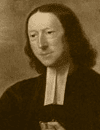
John Wesley preaches on 'The Righteousness of Faith,' emphasizing the distinction between the righteousness of the law and the righteousness of faith. He explains that the law demands perfect obedience, which is unattainable for fallen humanity, while faith offers a simple path to salvation through
Chuck Smith emphasizes the vital role of God's grace in our lives, asserting that without it, none of us would stand a chance. He critiques the harsh legalism found in some churches that neglects the need for mercy and restoration, advocating instead for a ministry that mirrors Jesus' grace and comp
D.L. Moody reflects on the life of George Washington Bethune, a notable Dutch Reformed pastor of Huguenot descent, who dedicated his life to preaching the Gospel despite opportunities for academic leadership. Bethune emphasized the importance of growing in grace and urged his family to share the mes

John Owen emphasizes the introduction of grace by Jesus Christ as essential to our relationship with God, arguing that the covenant of works lacked the mystery of grace that the gospel reveals. He explains that corrupted human reason cannot comprehend the mysteries of the gospel, which include the T

T. Austin-Sparks emphasizes the greatness of God's grace as illustrated through the life of David, who, despite his grievous sins, found mercy and redemption in God. He highlights that Jesus, referred to simply as 'I Jesus,' connects Himself to David, showcasing that God's grace surpasses even the m
T. Austin-Sparks emphasizes the transition from the old Israel to the new Israel, as declared by Jesus, highlighting how the Kingdom of God has shifted to a new nation that produces spiritual fruits. He illustrates this change through the life of Peter, who embodies the transformation necessary to e
Harry Ironside emphasizes the critical nature of repentance in the Christian faith, arguing that true repentance is a divine work that leads to a genuine acknowledgment of one's sinful state and the need for God's grace. He warns against the superficiality of modern preaching that neglects the impor
Art Katz emphasizes the profound significance of humility in the cosmic purposes of God, asserting that true growth in grace is rooted in humility, as God resists the proud but gives grace to the humble. He illustrates that humility is not merely a trait to be imitated but a divine attribute that mu

George Mueller draws parallels between his early life and the parable of the Prodigal Son, illustrating a journey of rebellion and unrepentant sin. Raised with little parental control, he engaged in theft and deceit, mirroring the waywardness of the Prodigal Son. Despite his intelligence and potenti
Horatius Bonar emphasizes the boundless and free love of Christ as encapsulated in the closing blessing of Revelation 22:21. He explains that this grace is unearned and available to all, highlighting its significance from the beginning to the end of the Bible. Bonar illustrates how grace is primaril
Zac Poonen emphasizes that God has abundant gifts of grace to offer us, but we must have faith to receive them. He explains that salvation is a gift received by faith, where God's grace extends to us, and our faith is our response to accept these blessings. Poonen highlights that failing to accept G
Thomas Brooks emphasizes the transformative power of God's grace in his sermon 'Such Guilty, Filthy, and Polluted Souls!' He reflects on the list of sinners mentioned in 1 Corinthians 6:9-10, highlighting the severity of their sins and the dire consequences they face. However, he rejoices in the hop
Thomas Brooks emphasizes that a person can possess true grace yet struggle with assurance due to the 'smoke' of doubts and fears that corruption creates within the soul. This obscurity prevents individuals from recognizing the valuable graces present in their hearts, much like smoke obscures the bea
Thomas Brooks emphasizes the profound nature of redemption through Christ, explaining that believers are redeemed from sin and its consequences by the ultimate sacrifice of Jesus. He highlights that this redemption is not only complete but also free and gracious, satisfying divine justice and pacify
K.P. Yohannan explores Jacob's life story, emphasizing that despite his deceitful actions and wasted years, God still identifies Himself as the God of Jacob, showcasing His ability to transform failures into something beautiful. Jacob, who was given a divine promise, chose a path of deception, yet G

William MacDonald emphasizes the foundational importance of the doctrine of grace in understanding salvation as a free gift from God, which is not based on human merit but solely on the worthiness of Christ. He explains that true assurance of salvation comes from recognizing that it is entirely depe
John Gill expounds on 1 Peter 5:10, emphasizing that God, the source of all grace, calls believers to eternal glory through Jesus Christ. He reassures that the sufferings faced by the faithful are temporary and serve a purpose in perfecting, establishing, strengthening, and settling them in their fa
John Gill preaches on 'A Good Hope Through Grace,' emphasizing the blessed state of believers who are chosen and loved by God. He encourages the congregation to stand firm in their faith and hold onto the truths of the gospel, while also praying for their spiritual growth and comfort. Gill highlight

A.W. Pink emphasizes the profound significance of the second saying of Christ on the cross, where He assures the repentant thief of his place in Paradise. This moment illustrates God's sovereignty and grace, as both thieves were equally near to Christ, yet one was saved while the other was not, high

F.B. Meyer reflects on the letter to Philemon, emphasizing how our everyday interactions can embody the spirit of Christ. He draws parallels between Onesimus and our relationship with Jesus, highlighting that just as Onesimus became dear to Paul, we too are cherished by Christ. Onesimus, once unprof
Charles Finney addresses the issue of self-righteousness in his sermon, emphasizing that many, like the Jews, are ignorant of God's righteousness and attempt to establish their own. He explains that true knowledge of God involves understanding His law and the conditions for salvation, which cannot b
J.C. Ryle emphasizes the profound truths found in John 6, where Jesus declares Himself as the 'living bread' that grants eternal life. He explains that many struggle to accept Christ due to His humble origins, and that true belief requires the drawing grace of God, as human nature is inherently resi
John Nelson Darby emphasizes the transformative power of God's saving grace as revealed in Titus 2, illustrating how true Christianity elevates believers above worldly concerns and associates them with heavenly realities. He explains that while the law reveals God's authority, it lacks the revelatio
Zac Poonen emphasizes that the entirety of the Christian journey, from salvation to the final meeting with Christ, is rooted in grace and faith. He reassures believers that God's grace is sufficient for every challenge they face, encouraging them to approach the throne of grace with confidence to re
Zac Poonen emphasizes the significance of God's grace in fostering harmonious marriages and spiritual growth within the Christian community. He highlights Peter's teachings on understanding and honoring one's spouse to ensure a peaceful home, as well as the importance of using spiritual gifts to ser
John Nelson Darby emphasizes the transformative power of the Word of God as demonstrated in Luke 5, where Jesus calls Peter and performs miracles that reveal His authority and grace. The sermon illustrates how the Word reaches the heart, leading to true obedience and a relationship with Christ, as s
John Nelson Darby emphasizes the transformative power of grace in his sermon 'Fragments', explaining that righteousness is based on Christ's obedience rather than our own sins. He highlights that while we may feel burdened by our failings, God is constantly engaged with us, offering grace and forgiv
John Nelson Darby emphasizes the contrast between man's heart and Christ's heart, illustrating how humanity's enmity against God is revealed through the crucifixion of Jesus. He explains that while the law condemns, Christ's grace offers forgiveness and reconciliation, allowing believers to approach
A.W. Tozer addresses the causes of chronic spiritual failure, emphasizing that many Christians serve God without joy due to a flawed understanding of grace and entitlement. He argues that when believers fail to recognize that God owes them nothing, they become resentful and serve their enemies sorro
Andrew Bonar encourages believers to rest in the grace of Jesus, emphasizing that His grace is an inexhaustible source of comfort and strength. He reminds us to draw from this well of free love, especially during times of sadness due to personal sin or the struggles of others. Bonar also reassures t

R.A. Torrey shares a powerful testimony of a young man tormented by the belief that he had committed the unpardonable sin. Through persistent conversations, Torrey emphasizes the promise of Jesus in John 6:37, assuring the young man that no one who comes to Christ will be cast out, regardless of the
Andrew Bonar writes to his son James, reflecting on the profound truths of Christ's grace and the bittersweet nature of joy and sorrow, as illustrated through poetry. He shares insights from Dante and Byron, emphasizing the gradual revelation of grace and the lasting impact of memories. Bonar encour
C.H. Spurgeon emphasizes the distinction between the woman who was a sinner and Mary Magdalene, clarifying that the former's act of anointing Jesus was a profound expression of love and gratitude for forgiveness. He highlights the grace that transforms a sinner into a devoted follower of Christ, ill
Horatius Bonar emphasizes that God's grace is rooted in His righteousness, highlighting that true forgiveness is not merely an act of love but must also align with divine justice. He warns against a superficial understanding of grace that overlooks the necessity of Christ's sacrifice, which satisfie
Horatius Bonar emphasizes the necessity of understanding the true gospel of grace to find peace, urging listeners to examine whether their knowledge of Christ is genuine or merely superficial. He explains that many believe they know the gospel but fail to experience its peace due to a misunderstandi
Horatius Bonar emphasizes that a lack of feeling or conviction does not diminish the gospel's power or the welcome of Christ. He argues that faith should lead to feeling, not the other way around, and that those who feel most insensible are often the most in need of Christ's grace. Bonar encourages
A.W. Pink emphasizes the profound truth that there is no condemnation for those who are in Christ Jesus, drawing from Romans 8:1. He explains that this declaration is rooted in the believer's union with Christ, which frees them from the guilt and power of sin. Pink contrasts the believer's past stat
C.H. Spurgeon emphasizes the unwavering promise of Jesus to never cast out those who come to Him, highlighting that throughout history, no one has ever been turned away. He reassures believers that regardless of their weaknesses, sins, or the state of their prayers, Jesus welcomes all who approach H
C.H. Spurgeon emphasizes that God can restore the years lost to sin and spiritual neglect, as expressed in Joel 2:25. He encourages believers to view their past failures as opportunities for growth and service, transforming their experiences into lessons that can benefit others. Spurgeon highlights
Horatius Bonar emphasizes the gracious welcome of Christ, who, despite the unbelief of His disciples, commands them to bring the afflicted to Him. He illustrates that no case is too difficult for Jesus, who remains unchanged in His love and power to heal. Bonar highlights that Christ desires persona
John Nelson Darby emphasizes that grace, defined as love, is the true power that gathers believers in unity, rather than mere separation from evil. He warns against the dangers of focusing too much on evil, which can lead to a treacherous mindset and diminish spiritual power. True holiness is not ju
John Nelson Darby emphasizes the profound truth of God's grace as revealed through Christ's sacrifice at the appointed time, highlighting that humanity, in its ungodliness and lack of strength, is fully reliant on God's grace for salvation. He explains that the gospel is not about what man can do, b
John Nelson Darby emphasizes that grace is the fundamental power behind unity and gathering among believers. He argues that while separation from evil is necessary, it is ultimately love and grace that draw individuals together in fellowship. Darby highlights that true holiness involves not just sep
John Nelson Darby emphasizes the significance of God's grace in the parable of the Marriage Supper of the King's Son, illustrating how God invites all, regardless of their past, to partake in the joy of His Son's glory. He contrasts the self-righteousness of the religious leaders with the genuine re
John Nelson Darby emphasizes the transformative journey of the prodigal son, illustrating how many sincere believers linger in a state of uncertainty and do not fully embrace the grace and love of the Father. He highlights that true peace comes from understanding the Father's heart and recognizing t
A.B. Simpson emphasizes the struggles faced by God's people in their pursuit of righteousness amidst temptation and guilt. He describes the internal conflict that arises when believers feel overwhelmed by their failures and the law's demands, leading to despair. Simpson reassures that true victory c
A.B. Simpson emphasizes the concept of grace, explaining that it is a divine gift that we do not earn and is given freely, especially when we are at our most helpless. He clarifies that the gospel is not about self-help but about God's assistance to those who cannot help themselves, and that grace e
A.B. Simpson emphasizes that Christ's purpose for His followers is to understand the hope of their calling and the richness of their inheritance, urging believers to experience the fullness of His power and grace in their daily lives. He encourages the faithful to view their current struggles as par
A.B. Simpson emphasizes that crises and trials are often necessary for spiritual growth, as seen in the lives of Jacob, David, and Paul. These challenges compel believers to deepen their faith and reliance on God's grace, ultimately leading to a victorious life. Simpson illustrates that through hard
C.H. Spurgeon emphasizes that salvation is solely by the grace of God, highlighting how His mercy preserves sinners from immediate judgment. He recounts instances of deliverance, such as John Bunyan's experiences, to illustrate the profound impact of God's longsuffering and grace. Spurgeon urges the
A.W. Tozer emphasizes that Jesus Christ is both Savior and Lord, highlighting the distinction between the Law given by Moses, which could only command righteousness, and the grace and truth that come through Christ, who actively produces righteousness and saves us from sin. He reflects on the histor
A.W. Tozer emphasizes that God's actions in the universe are intrinsically linked to Jesus Christ, who embodies the fullness of grace and truth. He urges Christians to recognize the vastness of God's grace, which extends to all creation, from the stars to humanity. Tozer highlights the universal cho
A.W. Tozer emphasizes the necessity of coming to God just as we are, without relying on our own merits or attempts to fix ourselves. He illustrates this through the parable of two men praying in the temple, highlighting that true repentance and humility are essential for receiving God's mercy. The s
C.H. Spurgeon emphasizes the humbling nature of God's grace in his sermon, reminding believers that they are God's vine, fruitful only through His goodness and the continual influence of the Spirit. He urges them to reject pride, recognizing that their worth comes solely from God's grace and not fro
C.H. Spurgeon illustrates the grace of God through the story of a weary dove returning to Noah's ark, emphasizing that despite her wanderings and weariness, she is welcomed back without condemnation. The dove, unable to reach the ark on her own, is gently pulled in by Noah, symbolizing how Jesus rec
C.H. Spurgeon emphasizes that Christ is the abundant source of grace, which He freely dispenses to His people, much like a reservoir that supplies water to those in need. He illustrates that grace is not meant to be hoarded but shared, and every believer has access to the fullness of grace that flow
Theodore Epp emphasizes that God is the ultimate giver of all good gifts, as highlighted in James 1:16-18. He warns against the serious error of doubting God's goodness, reminding us that every gift, regardless of size, is a manifestation of God's grace. Epp encourages believers to view their trials
C.H. Spurgeon emphasizes that the gospel is specifically designed for sinners who recognize their transgressions and seek forgiveness, as it is these individuals who truly value the grace of justification. He illustrates that God's mercy is directed towards the guilty and self-condemned, highlightin
C.H. Spurgeon emphasizes that Christ's mercy is freely given and cannot be bought or earned, using the analogy of a mother seeking grapes for her sick child from a prince who only gives them away. He illustrates that just as the prince's grapes are not for sale, God's grace and salvation are offered
C.H. Spurgeon emphasizes the struggle of humanity to accept the concept of divine grace, as our natural inclination is to rely on our own merits and works for salvation. He points out that self-righteousness is deeply ingrained in our hearts, leading us to doubt the free gift of grace that God offer
T. Austin-Sparks emphasizes the continual need for grace in the life of a servant of God, using Peter's experiences of both the transfiguration and his denial of Christ to illustrate the extremes of human potential. He highlights that true stability does not come from our own strength but from the g
T. Austin-Sparks emphasizes that the letters to the Corinthians ultimately convey the gospel, encapsulated in the benediction of 2 Corinthians 13:14, which highlights the grace of Jesus, the love of God, and the communion of the Holy Spirit. He explains that the grace of Jesus is a voluntary act of
John Owen expounds on Ephesians 2:8-10, emphasizing that salvation is solely by grace through faith, not by works, to prevent any boasting on our part. He highlights the apostle's method of illustrating our dire state of sin before presenting the grace of God as the sole cause of our deliverance. Ow
John Nelson Darby expounds on Matthew 9, illustrating how Jesus embodies the grace of God by forgiving sins and healing diseases, fulfilling the role of Israel's true Redeemer. He emphasizes that Jesus came to call sinners, not the righteous, and highlights the rejection of His ministry by the Phari
John Nelson Darby expounds on Matthew 15, illustrating the stark moral contrast between the teachings of Christ and the hypocrisy of the Jewish religious system. He emphasizes that the heart of man is the source of all iniquity, and true morality is rooted in the acknowledgment of sin. The sermon hi
C.H. Spurgeon shares a poignant story about a poor woman who, mistaking a minister's visit for a demand for rent, failed to answer the door. He emphasizes that his message is not one of obligation or duty, but rather a gracious invitation to receive the free gift of salvation through Jesus Christ. S
C.H. Spurgeon emphasizes that salvation is solely by the grace of God, highlighting that it is not based on human merit but on God's boundless love and mercy. He illustrates grace as the fountain of salvation, while faith serves as the channel through which this grace flows to humanity. Spurgeon war
John Gill emphasizes the significance of the grace of hope in the Christian faith, explaining that hope is rooted in God and is essential for believers. He outlines that true hope is not based on human merit or external circumstances but is founded on God's promises and the work of Christ. Gill high
Robert Murray M'Cheyne emphasizes the profound significance of the name 'Jehovah Tsidkenu,' meaning 'The Lord Our Righteousness.' He reflects on his past ignorance of grace and the weight of sin, illustrating how the realization of Christ's sacrifice transformed his understanding and provided him wi
T. Austin-Sparks emphasizes the profound message of grace as revealed in Luke 4, where Jesus proclaims His mission to bring hope and healing to the marginalized. He contrasts the acceptance of grace by outsiders like Naaman and the widow with Israel's pride and refusal to recognize their need for it
Thomas Brooks emphasizes the struggle Christians face with sin, noting that even sincere repentance does not guarantee freedom from falling back into the same sins due to the persistent nature of sin in the heart. He reassures believers that while they may repeatedly stumble, God's grace offers forg
Thomas Brooks emphasizes that all graces in a Christian's life are gifts received from God, urging believers to recognize that their light, life, love, and other virtues are not self-generated but bestowed by the Father. He illustrates that just as light comes from the sun and water from the sea, al
Thomas Brooks emphasizes the deep attachment sinners have to their lusts, illustrating that they often prioritize these over their most cherished relationships and even their relationship with God. He explains that the Holy Spirit's work is to help individuals recognize sin as their greatest enemy,
Thomas Brooks emphasizes the danger of relying on our good works for salvation, warning that while duties are important, they can lead to pride and self-reliance. He cites the wisdom of Luther, urging believers to be cautious not only of their sins but also of their good deeds, which can become a fa
Thomas Brooks emphasizes that all aspects of salvation are rooted in free grace, illustrating how believers are freely loved, chosen, accepted, adopted, reconciled, justified, and saved by God's grace. He argues that this grace is the foundation of all spiritual and eternal mercies, providing comfor
Thomas Brooks emphasizes the distinction between common grace and renewing grace in relation to sin. He explains that common grace leads individuals to fear the consequences of sin, such as hell and judgment, rather than recognizing the inherent evil and offense of sin against God. A sanctified hear
Thomas Brooks emphasizes that God's love and favor towards humanity is not based on any merit or worthiness on our part, but solely on His free grace and will. He points out that despite our unworthiness and sinful nature, God chooses to bestow Himself upon us, highlighting the depth of His love. Th
Thomas Brooks emphasizes that salvation is solely a result of God's free grace, not based on any merit or goodness in humanity. He explains that God's choice to show mercy is rooted in His own will, often selecting the weak, poor, and unworthy to demonstrate that no one can boast in their own righte
Thomas Brooks emphasizes that being in a state of true grace brings eternal happiness and security, making the soul cherished by God. He explains that while grace itself ensures a future in heaven, the awareness of being in that state provides a present joy and comfort, creating a 'heaven here' as w
Thomas Brooks emphasizes that even the most unrighteous individuals, as described by the Apostle Paul, can receive God's infinite grace and mercy. He reassures despairing souls that their unworthiness does not hinder God's ability to forgive and justify them through Christ. Brooks encourages listene
Thomas Brooks emphasizes that the Lord Jesus Christ is the ultimate gift of God's free grace, highlighting that God's love is not based on any merit or loveliness found in us, but solely on His own nature. He explains that humanity's inherent enmity and unfaithfulness could justly lead God to condem
Thomas Brooks emphasizes the boundless nature of God's free grace, which offers hope and comfort even to the worst of sinners. He explains that this grace exists for God's glory, to prevent human boasting, and to ensure that blessings are secure for all believers. Brooks encourages despairing souls
Thomas Brooks emphasizes the importance of prioritizing certain thoughts in our lives. He urges us to reflect on our sins to foster humility, recognize God's grace to inspire submission, and focus on Jesus Christ for strength in our duties. Additionally, he highlights the significance of the Scriptu
Thomas Brooks emphasizes that it is unreasonable for any living man to complain when facing punishment for his sins, as all humans deserve far worse than their current sufferings. He argues that, given our sinful nature and the grace we receive from God, we should instead marvel at His mercy and kin
Thomas Brooks emphasizes that Satan's primary goal is not to prevent Christians from performing holy duties, but to obstruct the exercise of grace in their lives. He explains that without the active exercise of grace, all other religious activities are ineffective. As grace is exercised, it weakens
Thomas Brooks emphasizes that a Christian's wealth in grace and relationship with Christ far outweighs any earthly struggles or material lack. He asserts that even the smallest token of God's favor is more valuable than all the riches of the world, and that true contentment comes from knowing God as

William Gadsby preaches on 'The Glory of God's Grace,' emphasizing that grace is God's unmerited favor towards sinners, not a debt owed to them. He explains that salvation is entirely by grace, highlighting its branches such as quickening the dead, justifying the ungodly, and bringing prisoners out
David Wilkerson emphasizes the transformative power of grace in the life of the believer, using the parable of the prodigal son to illustrate how God embraces us with love rather than condemnation. He explains that the father's actions--clothing the son in the best robe, placing a ring on his finger
David Wilkerson emphasizes the concept of 'people grace,' highlighting that while God uses angels, He primarily relies on caring individuals to share His grace with others. This grace is not only a gift we receive but also a responsibility to dispense to those in need, as illustrated by the Apostle
K.P. Yohannan emphasizes in his sermon 'In the Book of Philippians' that believers should not mourn over their failures or lost righteousness, as God has placed all blame on Jesus. He points out that feelings of regret often stem from pride and a misunderstanding of true righteousness, which is only
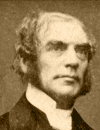
Octavius Winslow emphasizes the profound love of Jesus as He chooses to be the guest of Zacchaeus, a notorious sinner, illustrating that Christ's mission is to seek and save the lost. Despite societal disapproval, Jesus breaks barriers to reach those in need of grace, inviting them to His banquet of
John Gill expounds on 2 Peter 1:2, emphasizing the apostle's prayer for the multiplication of grace and peace among believers. He explains that grace signifies a deeper understanding of God's love and favor, as well as an increase in the internal workings of the Holy Spirit. Peace, on the other hand
John Gill reflects on Paul's farewell discourse to the elders of Ephesus, emphasizing the apostle's deep affection and concern for the church. Paul commends the believers to God and the Word of His grace, highlighting the importance of divine guidance and protection against false teachings. He remin
John Gill emphasizes that every regenerate person possesses a principle of grace in their heart, which is a good thing that always inclines towards the Lord God of Israel. He illustrates this through the example of Abijah, the son of Jeroboam, who, despite being raised in an idolatrous family, had s
John Gill addresses the necessity of good works in relation to salvation, responding to Dr. Abraham Taylor's misrepresentations. He emphasizes that while good works are essential for a believer's life and testimony, they are not a prerequisite for salvation itself, which is solely by grace through f
John Wesley explains the parable of the laborers in the vineyard, emphasizing that God's kingdom operates on principles of grace rather than human expectations. He highlights that many Jews may be rejected while Gentiles are accepted, and that those who are last in conversion may be first in the kin
C.H. Spurgeon emphasizes the abundant and gracious nature of God, who delights in giving grace to His people in various forms, such as saving, comforting, and sanctifying grace. He reassures believers that regardless of life's challenges--be it sickness, poverty, or death--God's grace will always be
Horatius Bonar emphasizes the theme of pent-up judgment in Revelation 7:1-3, illustrating how God's grace temporarily restrains judgment while righteousness demands it. He describes the slow, silent, sure, and terrible nature of this judgment, warning that while it may be delayed, it will ultimately
Horatius Bonar emphasizes the profound grace and peace that flows from the Triune God as expressed in Revelation 1:4-5. He explains that despite the perilous times, God's grace abounds even more, offering eternal grace and peace to the Church and the world. Bonar highlights the significance of the s
Chuck Smith preaches on the story of Naaman, illustrating how leprosy symbolizes sin, which is incurable by human efforts and progressively fatal. Despite Naaman's honorable status as a captain, he was still a leper, highlighting that no amount of personal achievement can save us from sin. The sermo
Chuck Smith explores the profound connection between leprosy and sin, illustrating how leprosy, once a feared disease, serves as a metaphor for the insidious nature of sin in our lives. He emphasizes that just as leprosy is incurable by human means, so too is sin, but through God's glorious grace, w
Chuck Smith emphasizes the blessedness of dwelling in God's presence as depicted in Psalms 84:9. He highlights that Christ is our shield and defense, allowing us to be seen as complete in Him, and stresses the importance of recognizing our glorious place in Christ. Smith explains that God provides g
K.P. Yohannan addresses the misconception that sin can serve a good purpose by highlighting God's grace, emphasizing that while God can transform our failures, we must not take His grace for granted by deliberately sinning. He references Paul's teachings in Romans, clarifying that the idea of sinnin
K.P. Yohannan emphasizes the importance of letting go of our self-righteousness and the burdens of guilt we carry, which stem from pride and a misunderstanding of true repentance. He highlights that our perceived failures and mourning over lost righteousness are misplaced, as Jesus has taken our bla
K.P. Yohannan reflects on the moments in life when we experience deep regret and shame, much like Peter after denying Jesus. He emphasizes that everyone faces times when their aspirations and commitments crumble, leaving them feeling lost and broken. The sermon draws parallels between Peter's bold d
Chuck Smith emphasizes the significance of Jesus receiving sinners, contrasting the attitudes of the publicans, sinners, Pharisees, and scribes. He highlights that while the outcasts came to hear Jesus, the religious leaders came to condemn, showcasing the divide between those seeking redemption and
Chuck Smith explores the significance of Jesus being crucified between two thieves, emphasizing that this was no accident but a divine plan to demonstrate the depths of His willingness to redeem humanity. He highlights how both thieves were guilty yet one received grace, illustrating that salvation
Chuck Smith emphasizes the significance of Jesus being crucified between two thieves, illustrating God's willingness to descend to the depths to save humanity. He highlights the contrasting responses of the two thieves, one who reviles and one who repents, showcasing the sovereignty of God in salvat
A.B. Simpson expounds on Isaiah Chapter 55, emphasizing the invitation to all who thirst to come and receive the abundant blessings of the Gospel without cost. He illustrates the richness of God's offerings, including cleansing waters, comforting wine, nourishing milk, and the promise of eternal lif
F.B. Meyer emphasizes the profound grace of God as he reflects on Paul's declaration of being the chief of sinners, illustrating that if Paul could be saved, anyone can. He discusses the necessity of intercessory prayer for others, highlighting that true believers should feel a divine yearning for t
K.P. Yohannan emphasizes that during our failures, the Enemy seeks to fill us with guilt and despair, potentially leading to devastating consequences. However, he reminds us of the power of Christ's love and sacrifice, which not only redeems us from sin but also empowers us to overcome struggles and
David Wilkerson emphasizes the grace of God in rescuing Lot from Sodom, illustrating how God intervened when Lot was powerless to save himself. The sermon highlights God's love and mercy, urging believers to escape to His presence, represented by the mountain, rather than lingering in sin or fear. W
David Wilkerson emphasizes that striving to please God through our own efforts leads to a lack of joy and peace. He explains that human attempts at righteousness are insufficient and often result in failure, as we are tempted and fall short. However, through Christ's sacrifice, we are reconciled to
A.B. Simpson emphasizes the transformative journey of faith as depicted in Hebrews Chapter 12, contrasting the fear and judgment of the Old Covenant with the grace and mercy of the New Covenant. He highlights that believers have come to Mount Zion, the city of the living God, where they are surround
Charles Finney explores the profound transformation of Paul, who initially believed he was alive without the law, only to realize that the commandment revealed his true sinful nature, leading to despair and a sense of death. Finney emphasizes that Paul's ignorance of the law's spiritual meaning resu
John Nelson Darby emphasizes that humanity cannot stand before God based on their own righteousness, as all are guilty and lost due to sin. He explains that the law revealed man's inability to achieve salvation, but through Christ's crucifixion, God's love and perfect righteousness were demonstrated
G.W. North emphasizes the profound significance of John the Baptist's declaration, 'Behold the Lamb of God which taketh away the sin of the world,' noting its singular mention in the context of sin and redemption. He highlights the deliberate brevity of John's message, which encapsulates the monumen
John Nelson Darby explores the profound struggle of Job, a righteous man grappling with the concept of being just before God amidst his suffering. Despite his uprightness, Job's self-righteousness and pride cloud his understanding of grace, leading him to question how a man can be justified before G
John Nelson Darby emphasizes the transformative power of the Holy Spirit in the believer's life, as illustrated in the encounter between Jesus and the Samaritan woman at the well. He explains that being 'born again' is essential for a relationship with God, highlighting that this rebirth is a work o
John Nelson Darby emphasizes the profound ways God displays His grace and the loneliness that often accompanies spiritual growth. He reflects on the experiences of Mary Magdalene and the other Mary, illustrating how their devotion to Christ transcended earthly concerns and led them to a deeper under
John Nelson Darby emphasizes the transformative power of the gospel, which actively engages individuals and reveals their lost state before God. He illustrates how the gospel, unlike Judaism or heathenism, confronts people with their sinfulness and the need for repentance, turning their world upside
John Nelson Darby emphasizes in his sermon 'Death With Christ Romans 6' that the believer's walk is rooted in the reality of being dead and risen with Christ, which empowers them to live in holiness and reject sin. He explains that grace does not permit sin but rather calls believers to a life of ri
John Nelson Darby expounds on 2 Corinthians 12, illustrating the profound contrast between the heights of spiritual experience and the depths of human depravity. He emphasizes that while believers can experience the glory of being 'in Christ,' they must also confront the reality of their flesh, whic
John Nelson Darby emphasizes the contrast between law and priestly grace in the context of Israel's journey through the wilderness, illustrating how God's grace is revealed through their sin. He explains that while the law could not lead them into the Promised Land, priestly grace, exemplified by Aa
John Nelson Darby writes to Mr. Meylan, expressing joy over the good news of God's work and grace. He emphasizes the importance of Christ's perfect work for salvation, explaining that while all can be addressed regarding God's satisfaction for sin, not all can be assured that Christ bore their sins
John Nelson Darby expounds on Luke 7, illustrating how Jesus, despite being rejected by Israel, extends grace to the Gentiles, exemplified through the faith of a centurion who humbly recognizes Christ's divine authority. The sermon highlights the transformative power of faith and the compassion of J
John Nelson Darby emphasizes the transition from Jesus as the earthly Messiah to the heavenly Christ, highlighting the urgency of accepting His message. He illustrates the importance of grace and the need for believers to focus on their relationship with God rather than worldly concerns, as exemplif
John Nelson Darby expounds on Luke 14, illustrating God's distributive justice and the importance of humility and grace. He emphasizes that true rest can only be found in Christ, as humanity has broken its relationship with God through sin. The rejection of God's invitation to the Supper symbolizes
John Nelson Darby expounds on Luke 15 and 16, illustrating the transition from the Jewish dispensation to the grace of God revealed in Christ. He emphasizes that the church exists as a heavenly entity during the suspension of the current age, highlighting God's love and grace towards sinners through
John Nelson Darby explores the story of Zacchaeus in Luke 19, emphasizing the transformative grace of Jesus that reaches even the most despised individuals. Zacchaeus, a chief tax collector, overcomes societal prejudices and personal obstacles to seek Jesus, illustrating the deep hunger for divine c
John Nelson Darby discusses the position of man and the world before God, emphasizing the historical context of humanity's fall from grace and the introduction of the law. He explains how, despite man's disobedience and the resulting separation from God, divine grace provided a path to redemption th
John Nelson Darby expounds on Romans 6, emphasizing the believer's connection to Christ as the second Adam and the transformative power of grace that liberates from sin. He illustrates that true liberty is found in being dead to sin and alive to God, highlighting the importance of motives in our act
John Nelson Darby emphasizes the importance of working together as co-workers in Christ, urging the Corinthians not to receive God's grace in vain. He expresses concern for their spiritual state, highlighting that true reception of grace leads to genuine transformation and fruitfulness. Darby draws
John Nelson Darby emphasizes that justification is a gift from God, highlighting that it is not a matter of God being unwilling but rather a demonstration of His love and provision through Christ's sacrifice. He explains that while the righteousness of God required expiation, it is God's heart that
John Nelson Darby addresses Mrs. Darnell, encouraging her to rely on God's goodness as revealed in Christ, despite her feelings of distress and doubt. He emphasizes that our emotions should not dictate our understanding of God's character, and that the work of the Holy Spirit is essential in discern
John Nelson Darby shares an update on his arrival in Montpellier, expressing hope for the work ahead despite the slow progress. He reflects on a tragic incident in Switzerland where a woman, who had attended their meeting, was killed but died in peace, showcasing the grace of God. Darby emphasizes t
John Nelson Darby emphasizes the contrast between Mount Sinai and Mount Zion, illustrating how God is currently dealing with humanity in grace rather than judgment. He explains that while the law reveals our sinfulness, it is through Christ's completed work that we find righteousness and hope. Darby
John Nelson Darby emphasizes that righteousness alone, without grace, fails to win the hearts of individuals. He argues that while righteous actions may seem just, they do not restore souls or foster true reconciliation among believers. Instead, he highlights the importance of grace in conjunction w
John Nelson Darby emphasizes that the knowledge of the Lord Jesus Christ brings complete peace and a purged conscience, allowing believers to acknowledge their sins without fear of condemnation. He illustrates how figures like the Apostle Paul and Peter were fully aware of their past failures yet st
John Nelson Darby emphasizes the profound nature of God's grace, illustrating that it is not merely a leniency towards sin but a recognition of its severity, which necessitates grace for redemption. He encourages believers to understand their identity in Christ, focusing on God's love rather than th
John Nelson Darby discusses the duality of the heavenly and earthly Jerusalems, emphasizing the distinct roles of grace and righteousness in God's plan. He highlights the Church's current state as a reflection of the future heavenly Jerusalem, where believers will walk in righteousness and experienc
John Nelson Darby explores the distinct characteristics of the Gospels of Luke and Matthew, emphasizing Luke's focus on the Remnant and the manifestation of salvation through Christ's person rather than His works. He highlights the themes of sovereign grace, judgment, and the moral implications of C
John Nelson Darby emphasizes the profound mystery of Christ dwelling in the hearts of believers, highlighting the unsearchable riches of Christ that were previously unknown in the Old Testament. He reflects on the grace extended to the Gentiles, illustrating how God's love transcends human rejection
John Nelson Darby emphasizes the profound grace of God as illustrated in the parables of Luke 15, highlighting the contrast between human pride and divine love. He explains that while humanity often falls short of loving others, God's love is unwavering, as demonstrated by the shepherd, the woman, a
John Nelson Darby emphasizes the profound relationship believers have with the Son of God, highlighting that we are members of His body and are intimately connected with Him through grace. He explains that through Christ's sacrifice, we are forgiven, justified, and made complete in Him, allowing us
Paris Reidhead emphasizes the importance of developing our full potential in Christ through the plan of grace, highlighting that God has a tailor-made plan for each individual that begins today. He explains that this plan requires us to abide in Christ, allowing Him to live through us, which leads t
David Wilkerson emphasizes the wonderful riches of God's grace, explaining that the ultimate goal of the gospel is redemption through Christ. He clarifies that righteousness, which is justification, is a gift from God and not something we can earn through our own efforts or inherent goodness. Wilker
David Wilkerson emphasizes that Christians today are blessed with the revelation of Jesus' work on the cross, contrasting it with the Dark Ages when the meaning of the cross was hidden. He points out that many still fail to grasp the significance of being 'in Christ,' which is essential for true hol
A.B. Simpson emphasizes God's provision for sinners through the cities of refuge, illustrating how these ancient sanctuaries symbolize the grace and mercy available in Christ. He highlights that just as the cities were accessible and safe for those in need, so too is the Gospel open to all who seek
A.B. Simpson emphasizes the transformative journey of faith, contrasting the fear and judgment of the Old Testament with the grace and mercy found in the New Covenant through Jesus Christ. He highlights that believers have come to Mount Sion, the city of the living God, and are part of a heavenly as
A.B. Simpson explores the emblems of grace found in the ancient law, emphasizing that the law served as a schoolmaster leading us to Christ, where we find justification by faith. He illustrates this through various object lessons, such as the altar of sacrifice, the Hebrew servant, and the tabernacl