
The biblical concept of "Grace and Redemption" is a central theme in Christian theology, emphasizing God's unconditional love and forgiveness towards humanity. According to Romans 8:28, God works all things together for the good of those who love Him, demonstrating His gracious nature. Through the sacrifice of Jesus Christ, as described in John 3:16, God provides redemption for humanity's sin, offering salvation and eternal life to all who believe in Him. As Psalms 103:12 reminds us, God's grace is so profound that He has removed our transgressions from us as far as the east is from the west, illustrating the profound depth of His redeeming love.

Shane Idleman delivers a powerful sermon titled 'I Am Barabbas. and So Are You,' emphasizing the profound truth that we, like Barabbas, are guilty and deserving of death, yet Jesus took our place on the cross. He explores the nature of sin, temptation, and the difference between remorse and true rep
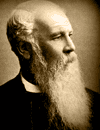
J.C. Ryle emphasizes the critical importance of understanding sin as the foundation of Christian holiness. He argues that a clear view of sin is essential for grasping doctrines like justification and sanctification, as it reveals the true nature of human corruption inherited from Adam. Ryle warns a

George Matheson emphasizes that true remembrance of our past sins comes only after we have received a new heart from God. He explains that the process of transformation leads us to reflect on our previous wrongdoings only after we have experienced spiritual renewal and growth. This memory serves as

John Gill discusses the transition from the Old Covenant to the New Covenant, emphasizing that the Old Covenant was never intended to be permanent but was a temporary administration leading to Christ. He explains that the Old Covenant was limited in scope and effectiveness, serving as a shadow of th

Thomas Brooks emphasizes the astonishing love of God, reflecting on how, despite our sinful nature and the fact that we have out-sinned many, God has graciously bestowed His gifts upon us. He invites us to marvel at this condescending love, reminding us of our former state of misery and how the King
Thomas Brooks preaches about the profound impact of Adam's fall, emphasizing that Adam's initial state was one of perfect knowledge, holiness, and happiness. However, through his disobedience, humanity lost five critical aspects: our holy image, divine sonship, friendship with God, communion with Hi

C.H. Spurgeon emphasizes the grave consequences of sin by examining the fate of fallen angels, who were cast down to hell without mercy. He warns that even those in the most holy positions, like angels, are not immune to sin, and that humans, despite their upbringing or service, can also fall into t
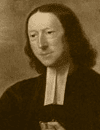
John Wesley preaches on the Fall of Man, explaining that pain and suffering in the world are a direct result of sin, which entered through Adam's choice to rebel against God. He emphasizes that humanity was created in God's image with free will, and it was this liberty that led to the choice of evil

Robert Murray M'Cheyne expounds on the New Covenant as described in Hebrews 8:6, emphasizing its superiority over the Old Covenant. He outlines the various covenants in the Bible, illustrating how the New Covenant, established through Christ, offers better promises and a more excellent ministry than

Chuck Smith addresses the misrepresentation of Christianity, particularly the proverb 'The fathers have eaten sour grapes,' which suggests that children suffer for their parents' sins. He emphasizes that each individual is responsible for their own actions and that God does not punish children for t

John Nelson Darby emphasizes in his sermon 'Raised and Seated Together' that through Christ's death and resurrection, believers are raised and seated in heavenly places with Him. He contrasts the responsibility of the first Adam with the redemptive purpose of the last Adam, highlighting that God pre

Horatius Bonar emphasizes God's serious and decisive approach to sin and the sinner, illustrated through the fate of Er, the first-born of Judah, who was slain by God for his wickedness. Bonar highlights that God's judgment on sin is not arbitrary but rooted in His righteousness, and that sin disrup
John Nelson Darby explores the profound identity of a Christian, emphasizing the distinction between who a Christian is now and who they will be in the future. He highlights that a Christian is currently the expression of God's power amidst evil, while hereafter, they will embody the results of that
Thomas Brooks emphasizes the distinction between occasional sinning and a lifestyle of sin, asserting that a true saint may stumble but does not embrace sin as a way of life. He illustrates that while a godly person may temporarily stray, their primary focus is on departing from iniquity, much like
Thomas Brooks preaches on the profound love of Jesus Christ for humanity, emphasizing that Christ chose to die for Abraham's descendants rather than for fallen angels, who were of a higher order. He invites the congregation to stand in awe of this astonishing love, which highlights the grace bestowe
Chuck Smith explores the question of what God desires from us, emphasizing that life without God's purpose leads to emptiness and frustration. He discusses the ideal requirements set forth by Moses, Micah, and Jesus, highlighting the call to perfection and the realization of our failures to meet the

David Wilkerson emphasizes the powerful intercession of Jesus as our Advocate, using the story of Joshua the high priest from Zechariah 3 to illustrate how Satan accuses us before God. Despite Joshua's sins and the accusations against him, Jesus steps in, reminding the Father of His sacrifice and cl

G.W. North emphasizes that humanity, originally created in God's image, fell from grace and lost its rightful position due to disobedience. In our fallen state, we often rely on inadequate substitutes for true life, but God's grace offers a path back to our original purpose. Through baptism, we symb
John Nelson Darby emphasizes the profound truth of Christ's identity and the rejection He faced from His own people, contrasting the glory of His pre-incarnate existence with the need for redemption through His death. He explains that while the Jewish people had the promises, they must now approach
John Nelson Darby emphasizes the monumental event of the Holy Spirit's arrival at Pentecost, marking the transformation of believers into the dwelling place of God. He explains how this event signifies the fulfillment of God's promise and the opening of grace to all nations, transcending the barrier
John Nelson Darby emphasizes the profound nature of God's love and grace towards humanity, illustrating that true freedom comes from understanding what God has done for us rather than relying on our own experiences or works. He contrasts the struggle of living under the law with the joy of knowing G

G. Campbell Morgan emphasizes the profound message of Isaiah, focusing on the dual themes of God's government and grace. He explains that God's government is characterized by holiness, righteousness, and justice, while His grace is the underlying principle that informs these characteristics. Morgan