
Identification with Christ is a central concept in Christian theology, emphasizing the believer's union with Jesus Christ through faith, as expressed in Romans 8:28, where it is written that "all things work together for good to those who love God, to those who are the called according to His purpose." This identification is rooted in the idea that believers are "in Christ" (2 Corinthians 5:17), and as such, they participate in His death, resurrection, and life, as seen in Galatians 2:20, which states "I have been crucified with Christ; it is no longer I who live, but Christ lives in me." Through this identification, Christians experience spiritual transformation and are empowered to live a life that reflects Christ's character, as guided by Psalms 23:1, which affirms that "the Lord is my shepherd, I shall not want."

Miles J. Stanford emphasizes the critical importance of understanding our identification with Christ in his sermon 'Cross, Identification.' He explains that true growth in the Christian life is rooted in the foundational truths of justification and acceptance, which must be firmly established before
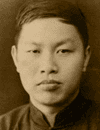
Watchman Nee emphasizes the significance of understanding our identification with Christ's death, asserting that believers have already died with Him on the cross. He explains that this truth is a divine fact, and rather than striving to crucify ourselves, we should apply this reality through faith,
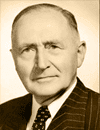
F.J. Huegel emphasizes the profound significance of identifying with Christ in His death, urging believers to linger at Calvary to grasp the spiritual truths of their participation in the Cross. He explains that true understanding and possession of these truths come through the Holy Spirit, who reve
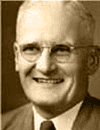
L.E. Maxwell illustrates the believer's identification with Christ through the story of George Wyatt and his substitute Richard Pratt during the Civil War. He emphasizes that just as Wyatt was exempted from service due to his identification with Pratt's death, believers are justified and united with
F.J. Huegel emphasizes the transformative power of participating in Christ rather than merely imitating Him, using Hudson Taylor's life as a case study. Despite his significant achievements as a missionary, Taylor struggled with spiritual poverty until he experienced a profound change in 1869, reali

G.W. North emphasizes the transformative power of Christ's death and resurrection in the life of Paul, illustrating how Ananias' laying on of hands allowed Paul to receive the Holy Spirit, leading to his complete renewal. This act signified not just a change in Paul but a profound identification wit
F.J. Huegel emphasizes the profound principle of participation in Christ's death, illustrating that true believers are grafted into Him, becoming one with His body. He explains that this identification with Christ necessitates a death to the 'self-life' and a willingness to embrace the transformativ

T. Austin-Sparks emphasizes the dual aspects of Christ's death: the substitutionary aspect, which provides vicarious redemption, and the representative aspect, which calls believers to identify with Christ's death in their own lives. He illustrates this through the lives of Abraham and Moses, highli
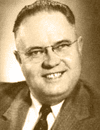
Theodore Epp emphasizes the believer's struggle with sin after justification by faith in Christ, highlighting the importance of identification with Jesus in His death and resurrection for sanctification. This union with Christ not only addresses the guilt of sin but also empowers believers to overco

F.B. Meyer emphasizes the significance of identifying with Christ's death and resurrection, illustrating that believers have already crossed over the Jordan of death into a new life through Jesus. He highlights that while the world is filled with corruption and death, Christians are called to live i
John Nelson Darby explores the significance of crossing the Jordan River as a metaphor for the believer's identification with Christ's death and resurrection. He emphasizes that true spiritual progress requires recognizing oneself as dead to sin and the world, which is essential for entering into th