
In the Bible, the concept of "judgment" carries profound theological significance, encompassing both divine justice and moral accountability. The Hebrew word for judgment, "mishpat," implies not only a legal decision or sentence but also the establishment of justice and righteousness (Psalms 89:14). This is evident in various contexts, such as God's judgment on nations for their sins (Isaiah 10:3) and the call for believers to act justly (Micah 6:8). The New Testament continues this theme, emphasizing the ultimate judgment that will occur at the end of the age, where Christ will judge the living and the dead (2 Timothy 4:1). Judgment in the biblical sense also includes the idea of correction and discipline, reflecting God's desire for repentance and restoration rather than mere punishment (Hebrews 12:6). The parables of Jesus, such as the Parable of the Sheep and the Goats (Matthew 25:31-46), illustrate the criteria for judgment based on actions and moral choices in this life. Thus, biblical judgment encompasses both the immediate consequences of one's actions and the final divine assessment of one's life, underscoring God's holiness and the ethical implications of human behavior.

In this sermon, the preacher addresses the issue of pornography and its impact on Christian leaders. He shares a conversation with a young evangelist who jokingly admits to watching pornography. The preacher emphasizes the need for repentance and turning towards God, urging the congregation to take
In this sermon, the preacher describes a man who is in desperate need of rescue. The man is trapped in a pit of his own making, and his body is trembling and convulsing. The preacher then explains that the man's predicament is not caused by a tiger or an eagle, but by his own sinful actions. However

Leonard Ravenhill emphasizes the gravity of the Judgment Seat of Christ, highlighting the finality of judgment for both the righteous and the unrighteous. He describes the book of Revelation as a profound revelation of Jesus Christ, underscoring the eternal consequences of one's actions and the real
In this sermon, the speaker addresses the current state of faith among young people, particularly college students. He expresses concern that atheistic teachers and professors are robbing students of their faith during their time in college. However, he believes that a change is coming, and that in
In this sermon, the preacher, inspired by the Spirit of God, reveals the reason for the ruin of the city. He explains that sin was the cause, specifically the mixing of the holy seed with the world and its system. The preacher then shares his personal journey of searching his heart and realizing tha
In this sermon, the preacher discusses the concept of Jesus shutting the door. He emphasizes that Jesus has the power to shut the door at any time, and when that happens, those outside will be left knocking and pleading to be let in, but Jesus will say he does not know them. The preacher highlights

In this sermon, the preacher discusses the opportunity the apostle Paul had to address the Roman governor while being a prisoner. The preacher emphasizes that the presentation of the gospel is a rational and thought-provoking message, contrary to the misconception that Christians are simply emotiona
In this sermon, the preacher describes a scene of indulgence and pleasure, where people are eating, drinking, and dancing into the early hours of the morning. He emphasizes that every good thing must come to an end and questions whether people truly understand their need for God's forgiveness and sa

Hal Lindsey discusses the judgments of God, emphasizing the importance of understanding the two resurrections: one leading to life for believers and the other leading to judgment for the unrepentant. He highlights the growing unease in Israel and the prophetic significance of current events, suggest

In this sermon, the preacher discusses three important lessons that can be learned from the text. Firstly, the world has a deep hatred for godly individuals, even if they may not physically harm them. The preacher shares a personal experience of witnessing a change in demeanor when giving a gospel c
In this sermon, the preacher discusses various instances of misbehavior by a character named Junior and how they can be explained through modern books on child-rearing. The preacher emphasizes the importance of understanding and communication in preventing destructive behavior and resolving conflict
In this sermon, the speaker focuses on the first verse of the book of Obadiah. The verse talks about a rumor from the Lord and an ambassador being sent to gather nations against Edom in battle. The speaker emphasizes the atmosphere of judgment and destruction that permeates the air in those Middle E

Zac Poonen discusses the prophetic warnings in Revelation 16:16-18:20, emphasizing the impending judgment of God on the earth, particularly through the imagery of the battle of Armageddon and the fall of Babylon. He highlights the influence of evil spirits on world leaders and the necessity for beli

In this sermon, the preacher emphasizes the importance of cultivating a living relationship with Christ in order to navigate the challenges of the coming days. He warns that spiritual deception will become rampant in the world, but those who truly belong to Christ will not be deceived. The preacher

In this sermon, the preacher emphasizes the importance of not avoiding the harsh realities of life and the dangers that exist. He argues that it is not loving to entertain people with pleasing words, but rather to confront them with the truth. The preacher then focuses on the concept of a utopia and
In this sermon, the preacher focuses on the book of Obadiah and provides an outline of its content. The sermon begins by discussing the judgment prepared for the ungodly, specifically focusing on the destruction of Edom. The preacher emphasizes that God judges complacency and conceit, urging the aud
In this sermon, the preacher discusses the concept of God's judgment and how it is demonstrated throughout the Bible. He emphasizes that God's judgment is predictable and operates by laws. The preacher refers to Isaiah 51:17, where Jerusalem is described as having drunk from the cup of God's fury. T
In this sermon, the preacher discusses the concept of complacency and its consequences. He uses the analogy of thieves robbing vineyards to illustrate how God will strip away everything from the complacent. The preacher emphasizes the importance of studying and reading good books as tools for spirit
In this sermon, the preacher discusses the story of Belshazzar and the writing on the wall from the book of Daniel. He highlights how the religious party in the banquet hall was blind and unable to see the impending judgment that was about to come upon them. The preacher emphasizes the importance of
In this sermon, the preacher focuses on the concept of judgment and the decree of judgment as prescribed by the Lord. The sermon explores the idea that what we sow, we will reap, and uses the example of Edom suffering the consequences of their actions towards Judah. The preacher also discusses the t
In this sermon, the preacher discusses the importance of recognizing and repenting for our sins. He references Romans 2:5, which asks if we despise the riches of God's goodness and forbearance, not realizing that it is His goodness that leads us to repentance. The preacher also speaks about the hard

In this sermon, the preacher begins by referencing a previous sermon where they discussed a specific Bible verse. They then share a personal story about a desire to preach the Gospel and how they longed for a bicycle to help them spread the message. The preacher encourages the audience to ask the Lo
In this sermon, the speaker shares a story about four individuals who gather together to discuss their problems. The first three individuals openly share their troubles, but the fourth person remains silent and wants to leave. However, the others insist that he stay and share. Eventually, the fourth

In this sermon, Brother Denny emphasizes that God is not slack in fulfilling his promises, but rather patient and long-suffering towards humanity. He desires that all people come to repentance and be saved. However, the day of the Lord will come unexpectedly, like a thief in the night, and the heave

In this sermon, the speaker shares a personal story that changed his life as a young Christian. He attended a conference where an old mission lady sang a song that made him realize the importance of serving Jesus wholeheartedly. The speaker emphasizes the concept of appearing before the judgment sea
In this sermon, the preacher focuses on the last judgment of the unwavered man. He emphasizes the idea that sin must be punished and that judgment is inevitable. The preacher references various Bible verses to support his message, including Revelation 20:1-4, Galatians 6:7-8, Acts 17, Romans 14, and

In this sermon, the preacher describes a horrifying train journey through Europe, where people were living in filth and despair. He emphasizes the need for a message on the judgment of God and the soon coming of a king who will judge the earth. The preacher warns that the world is condemned by God a

In this sermon, the preacher emphasizes the importance of shining as a light in the world by sharing the love of God. He mentions that the church should be characterized by compassion, love, and the grace of God. The preacher then turns to the Gospel of Mark, specifically chapter 4, to discuss the s
In this sermon, the preacher emphasizes the brevity and uncertainty of life, drawing from James 4:14. He compares life to a vapor, a fleeting moment that quickly disappears. The preacher also shares a powerful story of a man who was about to commit suicide but had a life-changing encounter with God.

Billy Strachan emphasizes the inevitability of God's judgment as depicted in Revelation, particularly focusing on the unrepentant nature of humanity despite clear warnings and revelations of truth. He explains that God does not send people to hell; rather, they choose to reject Him and the open door

In this sermon, the preacher discusses the good news, or the gospel, found in the Bible. He emphasizes that God has done what we could not do, providing a way for us to have a relationship with Him. The preacher presents four weights that can be put on our side of the balance to ensure our salvation

Edwin H. Waldvogel emphasizes the urgency of being prepared for the coming judgment, urging believers to live in Christ and maintain a holy walk. He reflects on the significance of being united with God and the transformative power of accepting Jesus into our lives. Waldvogel warns against the creep

Shane Idleman addresses the issue of judgmental attitudes within the church in his sermon 'Are You Contentiously Contending?'. He emphasizes the importance of humility and self-reflection before critiquing others, urging believers to remove the 'plank' from their own eyes before addressing the 'spec
Leonard Ravenhill emphasizes the sovereignty of God amidst the chaos of worldly systems, particularly focusing on the fall of Babylon as depicted in Revelation 17-18. He warns of the impending judgment on false religious systems and materialism, highlighting that true believers should rejoice in God

Michael Koulianos emphasizes the significance of the Judgment Seat of Christ, urging believers to recognize that everyone will stand before God to give an account of their lives. He stresses the importance of living with pure motives and the need for prayer to break the enemy's schemes that hinder s
Rolfe Barnard's sermon 'Death and Judgment' emphasizes the inevitability of death and the subsequent judgment that every person must face. He reflects on how recent televised funerals have momentarily captured the world's attention to this reality, yet people quickly return to their daily lives, ign
Phil Beach Jr. emphasizes the urgency of living with a holy fear of God, reminding believers that Christ will judge both the living and the dead. He calls for a deep introspection of our lives, urging us to produce good fruit that pleases God rather than being consumed by earthly desires. The sermon
Phil Beach Jr. emphasizes the critical need for the church to align with God's original intention, as exemplified in the life of Abraham. He warns that deviation from God's word puts the church in danger of being set aside, and stresses the importance of a holy calling that reflects God's desires. T
Phil Beach Jr. emphasizes the dangers of wrongful judgment and the importance of forgiveness in his sermon. He draws from 1 Samuel 16, illustrating how God sees the heart while humans often judge by outward appearances. Beach encourages the congregation to seek God's guidance in their judgments and
Shane Idleman addresses the common phrase 'Who are you to judge me?' in his sermon, emphasizing the importance of understanding biblical judgment in context. He highlights the issue of biblical illiteracy, where many Christians misinterpret scripture to justify their actions, particularly the 'judge
Shane Idleman delivers a powerful sermon titled 'You've Been Served - Now What?' emphasizing the importance of recognizing God's judgment and the need for genuine faith amidst false teachings. He discusses the characteristics of false teachers and the necessity of building oneself up in faith, prayi
Leonard Ravenhill emphasizes the inevitability of standing before the Judgment Seat of Christ, urging listeners to grasp the reality of eternal accountability. He draws parallels between the powerful preaching of Jonathan Edwards and the urgency of recognizing judgment, highlighting that every indiv

G. Campbell Morgan delivers a powerful sermon on 'The Message of Hosea,' emphasizing the profound revelations of sin, judgment, and love found in the book. He highlights that sin is fundamentally infidelity to God's love, leading to inevitable judgment, which is a necessary consequence of persistent

Horatius Bonar emphasizes the significance of Nineveh's repentance as a powerful testimony to the present generation, contrasting it with the indifference of contemporary society. He highlights Nineveh's deep and immediate response to Jonah's single sermon, showcasing God's sovereignty in using a hu

Andrew Murray emphasizes the dual attributes of God's holiness: His righteousness and His love, which are revealed through judgment and mercy. He explains that true knowledge of God comes from understanding His judgment on sin, which leads to deliverance, and His mercy that restores us. Murray point
Andrew Murray emphasizes that judgment must start within the house of God, as seen in the prophetic vision of abominations in Jerusalem. He highlights that God is aware of the sins committed by His people, and His anger is directed towards those who take His grace lightly. The sermon stresses that t

T. Austin-Sparks explores the profound implications of Jesus' statement about casting fire upon the earth, emphasizing that this fire symbolizes judgment and division, particularly in human relationships and Christian work. He highlights that the Holy Spirit's presence brings about a necessary discr
Zac Poonen emphasizes the significance of our memories as a divine record of our lives, akin to a video tape that captures every action, word, and thought. He warns that on the day of judgment, each person will face the replay of their life, revealing the true nature of their hearts beyond outward a
Andrew Murray emphasizes that God's judgment begins within His own house, as illustrated by Peter's reflection on Ezekiel 9:5-6. He points out that before God pronounces judgment on the nations, He first addresses the sins of His people, highlighting the necessity for the church to recognize and sub
Zac Poonen addresses the critical nature of the Pharisees, who, despite witnessing Jesus' miraculous acts, chose to attribute them to evil motives rather than recognizing His divine authority. He highlights the hypocrisy of the Pharisees, who are quick to judge others while being partial to their ow
Harry Ironside emphasizes the significance of the judgment-seat of Christ, where all believers will stand to give an account of their lives and works. He explains that while believers are exempt from condemnation, they will still be evaluated based on their actions, whether good or bad, in light of
Vance Havner emphasizes the urgent need for judgment to begin within the church, drawing parallels between the current state of society and the days of Ezekiel, where idolatry and indifference to God prevailed. He warns that the church's complacency has contributed to the moral decline of the world,

Theodore Epp emphasizes the importance of being cautious when criticizing fellow Christians, reminding us that we will each stand before God to give an account of our own actions, not those of others. He references Paul's teachings in Romans and 1 Corinthians, urging believers to refrain from hasty
Horatius Bonar preaches on Revelation 20:11-15, depicting the Great White Throne as a scene of ultimate judgment where all humanity, both great and small, will stand before God. He emphasizes the grandeur and purity of the throne, the certainty of judgment based on one's deeds recorded in the books,

Thomas Brooks emphasizes the stark contrast between the holiness of heaven and the unholiness of sinful people, using vivid animal imagery to describe the nature of the unholy. He argues that just as various creatures symbolize different sinful behaviors, God has decreed that no unclean beings will
Thomas Brooks warns against the self-deception of the ungodly who believe that God's mercy alone guarantees their salvation, neglecting the reality of divine judgment. He illustrates this with the example of Sodom and Gomorrah, emphasizing that God's sudden wrath can catch sinners off guard, leading
Thomas Brooks warns about the severe consequences of hypocrisy, emphasizing that those who pretend to be righteous while exploiting others, like the scribes and Pharisees, will face greater damnation. He illustrates that the torments of hypocrites in hell are unparalleled, as their counterfeit sanct

John Gill emphasizes the accountability of all individuals before God, who will judge every blasphemy and harsh word spoken against Him, Christ, the Gospel, and righteous individuals. This message serves to comfort believers, encouraging them to endure slander and not seek personal vengeance, but ra
John Gill emphasizes that judgment begins at the house of God, referring to either the temple in Jerusalem or the church, where God's presence dwells. He explains that this judgment is not punitive but rather a form of fatherly chastisement meant to purify believers through afflictions and trials. G

Chuck Smith explores the meaning of 'Judge not' from Matthew 7:1, emphasizing the importance of understanding this passage within its context in the Sermon on the Mount. He contrasts the attitudes of Christians and Pharisees, highlighting that Christians should seek God's approval rather than that o
Chuck Smith discusses Genesis chapters 6 and 7, focusing on the wickedness of humanity that led God to decide to flood the earth, sparing only Noah and his family. He emphasizes the significance of Noah's righteousness amidst widespread corruption and violence, and how God's spirit strives with huma

K.P. Yohannan emphasizes the importance of seeing others through the eyes of Jesus, illustrating how our quick judgments can lead to misunderstandings and hurt. He recounts the story of Hannah and Eli, highlighting how Eli's initial perception of Hannah was flawed due to his lack of understanding of
Erlo Stegen emphasizes two certainties in life: death and judgment. He reflects on the inevitability of death, urging listeners to prepare for it, as it is appointed for everyone. Stegen shares testimonies and biblical examples, such as the story of Asaph and the faithfulness of Daniel and his frien

R.A. Torrey's sermon 'Found Wanting' emphasizes the dire consequences of living without reverence for God, illustrated through the story of Belshazzar's feast in Daniel 5. He highlights how Belshazzar was weighed in God's balances and found wanting due to his pride and idolatry, urging listeners to

Paris Reidhead's sermon 'Standing in Slippery Places' emphasizes the precarious state of the wicked who seem to prosper while the righteous suffer. He draws from Psalm 73, illustrating how the apparent success of the ungodly can lead believers to envy and doubt God's justice. Reidhead warns that the
David Wilkerson delivers a powerful sermon titled 'A Cry Against Wicked Youth!' where he draws parallels between the wickedness of Nineveh and the moral decline of modern youth. He emphasizes God's urgent call for repentance, warning that judgment is imminent unless there is a widespread turning bac
G. Campbell Morgan delivers a powerful sermon on 'The Message of Jeremiah,' emphasizing the prophet's role as God's spokesman during a time of national decline and spiritual darkness. He highlights three key themes: God's judgment of sin, the suffering of God due to sin, and the ultimate victory ove
Horatius Bonar delivers a powerful sermon titled 'The Desert Voice,' emphasizing the urgent warning of judgment as depicted in Matthew 3:10. He likens Israel and the church to a forest, where the axe of God's judgment lies at the root of unfruitful trees, symbolizing the imminent destruction of thos

A.B. Simpson emphasizes the inevitability of standing before the Judgment Seat of Christ, where our lives will be reviewed and our forgotten deeds acknowledged. He paints a vivid picture of the joy and humility we will experience as our names are called and our contributions to the Kingdom are revea

A.W. Tozer warns of the dire consequences of unavailing prayers during the Day of the Lord, as depicted in Revelation. He emphasizes that cries for mercy will come too late for those who have relied on human strength rather than on God. The sermon highlights the certainty of God's judgment and the f
A.W. Tozer warns that the rising interest in spiritism and devil worship signals the nearing end of God's age of grace and mercy. He emphasizes that humanity's rebellion against God is reaching a tipping point, where divine judgment may soon be proclaimed. Tozer reminds us that the earth, though pop
A.W. Tozer emphasizes that true repentance cannot be forced upon sinful and rebellious individuals, as the same message that leads one person to repentance may provoke disdain in another. He reflects on the prophetic warnings from both the Old and New Testaments regarding God's impending judgment an

C.H. Spurgeon emphasizes the dire consequences for sinners who reject Christ, drawing a stark comparison between the suffering of Jesus, the innocent substitute, and the fate awaiting the unrepentant sinner, referred to as the 'dry tree.' He warns that if God did not spare His own Son in the face of
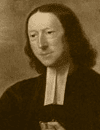
John Wesley preaches on 'The Great Assize,' emphasizing the solemnity of the final judgment where all will stand before the judgment seat of Christ. He describes the awe-inspiring events that will precede this day, including cosmic disturbances and the resurrection of the dead, and stresses the impo
John Wesley emphasizes the teachings of Jesus from the Sermon on the Mount, particularly the call to refrain from judging others, as the measure we use will be applied to us. He warns against the hypocrisy of focusing on the faults of others while ignoring our own shortcomings, urging self-examinati
Thomas Brooks warns about the severe consequences of immorality, emphasizing that while society may overlook such sins, God will ultimately judge them. He highlights that God's judgment can manifest in this life through suffering and misery, and if unrepented, leads to eternal damnation in the after
John Gill emphasizes the certainty and universality of the Last and General Judgment, explaining that all individuals will face judgment after death, either immediately or at the resurrection. He discusses the roles of Christ as the Judge, the criteria for judgment based on works, and the significan
Thomas Brooks emphasizes the terrifying reality of God's judgment, portraying Him as a consuming fire that will expose the ungodly to their sins and divine justice. He vividly describes the horror and despair that will engulf those who have turned away from God, as they face the consequences of thei
Thomas Brooks emphasizes that unbelievers remain entrenched in their sins until death intervenes, using the analogy of a candle that, once extinguished, forces players to stop their game. He illustrates that if sinners were allowed to live indefinitely, they would continue to sin without restraint,
Thomas Brooks warns about the dreadful reality of death for the unbelieving sinner, emphasizing that it marks the end of all earthly mercies and pleasures. He describes death as a gateway to three terrifying outcomes: judgment, an irreversible sentence of condemnation, and endless suffering. Brooks
John Gill expounds on 2 Peter 2:4, emphasizing that God did not spare the angels who sinned, illustrating the severity of divine judgment against rebellion. He explains that these angels, once pure and holy, fell due to pride and a refusal to abide in the truth, leading to their eternal punishment.
John Gill emphasizes the distinction between the old world, which was destroyed by the flood due to its wickedness, and the new world that emerged afterward. He highlights Noah as the sole survivor among eight people, who served as a preacher of righteousness, warning the ungodly of impending judgme
John Gill emphasizes the severe judgment of God on Sodom and Gomorrah, illustrating how their destruction serves as a warning to future generations about the consequences of ungodliness. He notes that despite previous mercies and intercessions, the cities were ultimately condemned for their wickedne
John Wesley emphasizes the importance of refraining from judgment, urging believers to focus on their own faults before addressing others. He warns that the measure we use to judge others will be the same measure applied to us by God, highlighting the need for mercy and love in our interactions. Wes
Horatius Bonar emphasizes the theme of pent-up judgment in Revelation 7:1-3, illustrating how God's grace temporarily restrains judgment while righteousness demands it. He describes the slow, silent, sure, and terrible nature of this judgment, warning that while it may be delayed, it will ultimately
R.A. Torrey continues his exposition of the Sermon on the Mount, focusing on the principles of judgment and prayer. He emphasizes that we should not judge others harshly, as the measure we use will be applied to us, and we must first address our own faults before helping others. Torrey highlights th
Chuck Smith discusses the parallels between the days of Noah and the present, emphasizing the rapid population growth and the pervasive wickedness of humanity. He highlights how, just as in Noah's time, the thoughts of people's hearts are often evil, and the world is filled with violence and corrupt
Chuck Smith emphasizes the truth of Numbers 32:23, 'Be sure your sin will find you out,' illustrating how sin manifests in our lives, affecting our conscience and ultimately leading to judgment. He discusses the inevitability of sin being revealed, whether in our lifetime or at death, and how God se
Chuck Smith emphasizes the imminent danger of destruction for the wicked, illustrating that they are always at risk of sudden downfall, akin to walking on thin ice. He explains that while God's power to cast the wicked into hell is absolute, His delay in doing so is not due to a lack of justice but
Chuck Smith discusses the story of Jeroboam, emphasizing the futility of disguising our true selves when approaching God. He highlights how people often come to God with hidden truths and masks, believing they can deceive Him, but God sees through all facades. The sermon warns of the heavy tidings t
Chuck Smith emphasizes the certainty of God's judgment as the highest authority, warning that there is no appeal beyond it. He urges listeners to repent genuinely, not just feel remorse, and to turn away from their transgressions to avoid the ruin that sin can bring. Smith illustrates the destructiv
Chuck Smith delivers a powerful sermon on Daniel 5:25, focusing on the fate of King Belshazzar, who was weighed in the balances and found wanting. He emphasizes the importance of recognizing our mortality and the need to live a life that glorifies God rather than indulging in worldly pleasures. Smit
Chuck Smith emphasizes the parallels between the current state of society and the days of Noah, warning that just as the people of Noah's time were oblivious to impending judgment, so too is the modern world. He highlights the moral decline, violence, and societal issues that signal a need for chang

Hans R. Waldvogel emphasizes the role of a spiritual minister as one who must first partake of the fruits of their labor, illustrating that true ministry requires personal experience and faithfulness. He discusses the importance of not judging others, as only God can truly judge the hearts of men, a

George Fox emphasizes the importance of refraining from judging one another and highlights the dangers of backbiting and secret condemnation, which stem from a lack of self-examination in the light of Christ. He urges believers to focus on their own shortcomings and to communicate in love, fostering
K.P. Yohannan emphasizes the importance of compassion over judgment in his sermon 'Neither Do I Condemn You.' He reflects on the incident where Jesus rebuked His disciples for wanting to call down fire on the Samaritans, highlighting how easily believers can forget their spiritual teachings when fac
K.P. Yohannan emphasizes the importance of living in the fear of God as we anticipate standing before the judgment seat of Christ, where our lives will be evaluated not for punishment but for reward, akin to the Olympic games. He draws parallels with Abraham, who exemplified total obedience and reve
Art Katz addresses the devastating consequences of natural disasters and societal decay, emphasizing that these events may serve as preliminary judgments from God. He highlights the overwhelming suffering of earthquake victims and the moral disintegration of society, where violence and perversion ar
Art Katz addresses the turmoil in Israel following Ariel Sharon's visit to the Temple Mount, highlighting the unprecedented violence between Israeli Arabs and Jews. He argues that this conflict is a manifestation of God's judgment on both Israel and a compromised Church, stemming from a rejection of
Erlo Stegen emphasizes the significance of Christ's coming and challenges listeners to reflect on their personal transformation since accepting Him. He recounts the stories of individuals who faced judgment, illustrating the urgency of recognizing Jesus as the Messiah and the need for genuine faith.
Erlo Stegen emphasizes the urgency of being prepared for Christ's return, highlighting that Jesus will come quickly with rewards based on our deeds. He stresses the importance of 'washing our garments'--a metaphor for living a pure and righteous life--so that we are not classified among the wicked.
Erlo Stegen emphasizes the inevitability of death and judgment, reminding us that while many seek to avoid death, it is ultimately in God's hands. He reflects on the futility of worldly pursuits to escape aging and highlights that for Christians, death is a transition to eternal life. Stegen warns t

John Nelson Darby emphasizes the dual themes of judgment and deliverance in the context of the Passover and the Red Sea. He explains that God's judgment is universal and that the world is already condemned due to unbelief, while the blood of the Passover lamb signifies salvation for those who submit
R.A. Torrey delivers a powerful sermon on 'The Judgment of the Nations' from Matthew 25:31-46, emphasizing the final separation of the righteous and the wicked at Christ's return. He explains that the righteous, symbolized as sheep, will inherit the kingdom prepared for them, while the wicked, repre
Zac Poonen addresses the behavior of the Pharisees who sought to trap Jesus with their questions, particularly regarding the lawfulness of divorce. He draws parallels to modern-day believers who, instead of seeking truth, aim to catch others in their words to accuse them. Poonen emphasizes that true
Zac Poonen addresses the hypocrisy of the Pharisees who judged Jesus for not adhering to their strict Sabbath observance, emphasizing that true godliness should not be measured by religious rituals but by the heart's intent. He highlights the example of William Booth and the Salvation Army, who prio
John Nelson Darby addresses Mons. Eynard in a letter expressing gratitude for his correspondence and discussing the complexities of faith and human conduct within the church. He emphasizes the importance of not rushing to judgment about others' actions, acknowledging the presence of fleshly behavior
John Nelson Darby emphasizes the believer's perspective on death and judgment, asserting that for those in Christ, death is merely a transition to being with the Lord, thus it is gain. He contrasts this with the judgment, which brings a sense of terror for those outside of Christ, but for believers,
John Nelson Darby explores the distinct characteristics of the Gospels of Luke and Matthew, emphasizing Luke's focus on the Remnant and the manifestation of salvation through Christ's person rather than His works. He highlights the themes of sovereign grace, judgment, and the moral implications of C
John Nelson Darby explores the significance of the incense altar in Revelation, emphasizing that it is only mentioned in Revelation 8, where the angel offers the prayers of the saints alongside the incense. He notes that the elders do not possess censers or the altar, indicating that their role is t