
The biblical concept of "Love and Benevolence" is a central theme in Christian faith, emphasizing the importance of demonstrating kindness, compassion, and charity towards others. As expressed in 1 Corinthians 13:13, "And now these three remain: faith, hope and love. But the greatest of these is love," love is considered the greatest virtue, and its practice is essential for believers. The Bible teaches that love and benevolence are not only a reflection of God's character, as seen in Psalms 136:1, "Give thanks to the Lord, for he is good. His love endures forever," but also a fundamental aspect of human relationships, as instructed in Galatians 5:14, "For the entire law is fulfilled in keeping this one command: 'Love your neighbor as yourself.'"
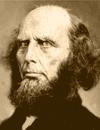
Charles Finney addresses the misconceptions surrounding true religion, emphasizing that many believers equate their faith with mere feelings or passive states of mind rather than understanding it as active love and benevolence. He argues that true religion is fundamentally about love for God and oth
In this sermon, the preacher reflects on a story he heard about a little girl in the hospital who was given a glass of cold milk and told it would do her good. He then delves into the topic of religion and the division between the external form and the internal spirit of true religion. He emphasizes
In this sermon, the speaker emphasizes the importance of true religion and the power it holds. He discusses the three ways in which the power of true religion manifests itself: the power of God over us, the power of God in us, and the power of God through us. The speaker urges believers to not only
In this sermon, the speaker discusses the ninefold fruit of the Spirit as described by Paul. They highlight the complexity of this fruit, which consists of nine different characteristics. The sermon also references a document called "Revolution by Stealth," which outlines the objectives of atheist

F.B. Meyer shares a profound encounter on a train, discussing the limitations of imitating Christ versus experiencing His indwelling presence. He emphasizes that true religion is not merely imitation but a binding of the heart to the Lord, allowing Christ to live through us by the Holy Spirit. Meyer
Charles Finney emphasizes the critical responsibilities of ministers in his 'Ordination Sermon,' urging them to take heed to themselves and the doctrine they preach. He outlines the importance of self-examination, ensuring that their motives align with God's glory, and maintaining a deep understandi
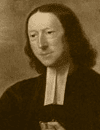
John Wesley emphasizes the unity of God, asserting that there is only one God, one religion, and one true happiness for all humanity. He explains that God is eternal, omnipresent, all-perfect, and omnipotent, and that true religion consists of loving God and our neighbors. Wesley warns against the m
Charles Finney emphasizes the stark contrast between the hard ways of sin and the pleasant paths of holiness, illustrating that true religion is a heartfelt devotion to God that brings peace and joy. He explains that sin leads to constant turmoil and dissatisfaction, while a life devoted to God is n
Charles Finney emphasizes that true religion is characterized by selflessness and benevolence, arguing that a supreme focus on one's own happiness is inconsistent with genuine faith. He clarifies that while it is acceptable to care for one's own well-being, it should not take precedence over the wel
John Wesley emphasizes the paramount importance of charity, or love, in the Christian faith, arguing that without it, all other virtues and actions are meaningless. He explains that true charity is a selfless love for others that springs from the love of God, and it cannot be replaced by eloquence,