
Quaker theology emphasizes the inner light of Christ present in every individual, reflecting the biblical teaching that all have access to God's guidance. As stated in John 1:9, "The true light that gives light to everyone was coming into the world," Quakers believe in the direct experience of God through the Holy Spirit, aligning with Romans 8:14, which declares, "For those who are led by the Spirit of God are the children of God." This understanding leads to a profound sense of community and equality, as articulated in Galatians 3:28, where Paul writes, "There is neither Jew nor Gentile, neither slave nor free, nor is there male and female, for you are all one in Christ Jesus." Quakers hold that worship should be centered on silence and waiting upon the Lord, echoing Psalms 46:10, "Be still, and know that I am God." Furthermore, their commitment to peace and social justice is rooted in Jesus' teachings, such as in Matthew 5:9, "Blessed are the peacemakers, for they will be called children of God." Through these principles, Quaker theology invites believers to seek a deeper, personal relationship with God, encouraging them to live out their faith in practical, transformative ways.
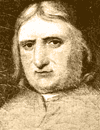
George Fox preaches about the principles of the Elect People of God, known as Quakers, emphasizing the importance of worship in spirit and truth, the true fellowship in the Gospel, the power of the Gospel for salvation, and the need for faith in Christ. He addresses various topics such as baptism, p
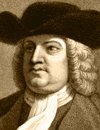
William Penn preaches about the true principles of the Quakers, emphasizing the importance of the Light within every individual as the guiding force towards salvation and holiness. He addresses misconceptions and perversions of their beliefs, clarifying their stance on various topics such as the Lig