
Sincerity in worship is a fundamental concept in the Christian faith, emphasizing the importance of genuine and heartfelt devotion to God. As the Bible reminds us, "God is a Spirit, and those who worship Him must worship in spirit and truth" (John 4:24), highlighting the need for authenticity in our worship. The apostle Paul also encourages believers to offer their bodies as "a living and holy sacrifice, acceptable to God" (Romans 12:1), underscoring the idea that true worship involves a deep commitment to living a life that honors God, as also expressed in Psalms 51:17, where David declares that "the sacrifices of God are a broken spirit, a broken and contrite heart." By embracing sincerity in worship, Christians can cultivate a more intimate and meaningful relationship with God, one that is rooted in humility, gratitude, and a genuine desire to glorify Him.

R.A. Torrey continues his exposition of the Sermon on the Mount, focusing on the principles of giving, praying, and fasting. He emphasizes that acts of righteousness should be done in secret to please God rather than to gain human approval, highlighting the importance of a sincere heart in all spiri

Theodore Epp emphasizes the power of sincere prayer through the story of Elijah in 1 Kings 18:30-39, contrasting his brief yet heartfelt prayer with the lengthy, ineffective cries of the prophets of Baal. Epp highlights that true prayer is not about loudness or physical displays but about the condit
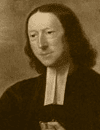
John Wesley emphasizes the importance of sincerity in giving, praying, and fasting, urging believers to perform these acts not for the praise of men but for the glory of God. He explains that true acts of mercy and piety must stem from a pure intention, as God rewards those who serve Him in secret.

Thomas Brooks emphasizes that the essence of prayer is not found in eloquent words but in the sincerity of the heart expressed through sighs and groans. He reassures those who feel inadequate in their prayer life that even the simplest expressions of a broken heart are pleasing to God. The sermon hi

F.B. Meyer emphasizes that true righteousness in religious duties should not be performed for public display, as highlighted in Matthew 6:1-8. He warns against the temptation to present a false image of piety, akin to a stage actor, and stresses the importance of sincerity in almsgiving, prayer, and

A.W. Tozer emphasizes the importance of understanding prayer in the context of God's will and obedience. He challenges the notion that God always answers prayer in the way we expect, asserting that true prayer requires a clear request and a life aligned with God's commandments. Tozer argues that pra
A.W. Tozer emphasizes the importance of the exclamatory expression 'Oh!' in our relationship with God, contrasting it with the intellectual confines of theology. He argues that true spiritual experience transcends mere knowledge and invites a heartfelt response to God's presence, which often leaves

T. Austin-Sparks emphasizes the divine foundation of acceptable prayer, highlighting that true prayer is rooted in the moral excellencies of Jesus Christ, which must be present in our prayers for them to be effective. He explains that prayer encompasses five aspects: communion, submission, petition,
A.W. Tozer emphasizes that God answers prayer not because of human merit or goodness, but solely due to His inherent goodness and lovingkindness. He challenges the notion that certain individuals are favored by God due to their righteousness, asserting that all have fallen short and deserve punishme

J.R. Miller emphasizes the multifaceted nature of prayer, explaining that it encompasses making requests, confessing sins, expressing gratitude, and fostering communion with God. He reassures that God hears and answers prayers, but often in ways that align with His wisdom rather than our immediate d