
The role of the Holy Spirit is foundational to the Christian faith, as He is the active presence of God in the lives of believers. Jesus promised the coming of the Holy Spirit, stating in John 14:16-17 that He would send the Helper to dwell with and in His followers. This divine presence empowers believers for service, as seen in Acts 1:8, where Jesus declares, 'But you will receive power when the Holy Spirit has come upon you, and you will be my witnesses.' The Holy Spirit also plays a crucial role in spiritual transformation, guiding believers into all truth (John 16:13) and convicting the world of sin, righteousness, and judgment (John 16:8). Furthermore, the Spirit equips the church with spiritual gifts, as described in 1 Corinthians 12:7, where Paul emphasizes that 'to each is given the manifestation of the Spirit for the common good.' Through the Holy Spirit, believers experience a deepening relationship with Christ, leading to maturity in faith, as Paul encourages in Galatians 5:22-23, highlighting the fruits of the Spirit that reflect a life transformed by His power. Understanding the multifaceted role of the Holy Spirit is essential for every Christian seeking to live a life that honors God and fulfills His purposes.

Eric J. Alexander emphasizes the relationships between the world, the disciples, and the Holy Spirit, explaining how Christians are chosen out of the world yet sent back into it as witnesses. He highlights the Holy Spirit's role in convicting the world of sin, righteousness, and judgment, while also

Hattie Hammond shares her personal journey of faith and the transformative power of the Holy Spirit, emphasizing the need for a fresh anointing in the lives of believers. She recounts her experiences with prayer, healing, and the importance of unity among Christians in the face of darkness and confu

George Verwer explores Acts chapters 8 to 13, emphasizing the early church's growth amidst persecution, particularly focusing on the conversion of Saul (Paul) and the evangelistic efforts of Philip. He highlights the importance of personal evangelism, the role of the Holy Spirit, and the significanc

Joshua Daniel addresses the deception of the heart in his sermon, emphasizing the dangers of covetousness and the importance of allowing the Holy Spirit to lead the church. He reflects on the early church's integrity, contrasting it with modern practices where deception and sin can be hidden. Daniel
Phil Beach Jr. emphasizes the transformative power of the Holy Spirit in the believer's life, as outlined in 2 Corinthians 3:18. He explains that true transformation occurs when we look away from self, sin, and circumstances to focus solely on Jesus, who is the author and perfecter of our faith. Thi
Phil Beach Jr. emphasizes the vital role of the Holy Spirit as the Spirit of Truth in guiding believers away from worldly distractions and towards a deeper relationship with Jesus Christ. He encourages the congregation to continuously seek the truth found in Christ, which is essential for spiritual
Phil Beach Jr. emphasizes the necessity of a prepared heart for receiving the Holy Spirit, highlighting that true comfort and spiritual fulfillment come through repentance and humility before God. He explains that comfort cannot be found apart from God's direct dealings in our lives, and that prepar

Erlo Stegen emphasizes the call to be messengers of Christ, as Jesus was sent by the Father, urging believers to receive the Holy Spirit for guidance and empowerment. He shares a poignant story of a cancer patient who found grace in his suffering, illustrating how those facing death can prepare thei
Joseph Carroll emphasizes the necessity of abiding in Christ through the Holy Spirit, highlighting that true blessings and spiritual riches are found only in Him. He explains that the Spirit of God is essential for transformation, moving from chaos to order in our lives, and that we must yield to th
Phil Beach Jr. emphasizes the vital role of the Holy Spirit in the life of believers, highlighting that the Holy Spirit is our comforter and guide after Jesus' ascension. He calls for a deep longing for Jesus, which in turn enhances our relationship with the Holy Spirit, who reveals Christ's glory a

Michael Koulianos emphasizes the vital role of the Holy Spirit in revealing Jesus to believers and transforming them into His likeness. He explains that God's primary goal is not just to use us but to shape our character to reflect Christ, which often involves enduring trials and long suffering. The
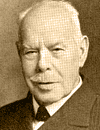
Smith Wigglesworth emphasizes the profound impact of John the Baptist's ministry, highlighting how his humble beginnings and the 'cry of the Spirit' resonated deeply with the people. Despite his austere lifestyle, John's message of repentance and preparation for the Messiah stirred the hearts of man
Phil Beach Jr. emphasizes the transformative power of God's love and the role of the Holy Spirit in guiding believers towards truth and away from iniquity. He calls for a deep surrender to God, urging the congregation to allow the Holy Spirit to work within them, shaping their hearts to reflect Chri
Phil Beach Jr. emphasizes the vital role of the Holy Spirit as our revealer, urging believers to purify their hearts from diverse spiritual desires and focus solely on pursuing God. He highlights that true understanding of God comes through the Holy Spirit, who reveals the deep things of God to thos
Phil Beach Jr. emphasizes the transformative journey from being in Adam to being in Christ, highlighting the significance of the Holy Spirit and the Word of God in this transition. He explains that through regeneration, believers are taken out of the fallen nature of Adam, which is associated with s

Art Katz emphasizes the necessity of the Holy Spirit's outpouring for the church to maintain its identity and purpose, warning that a church without a future becomes stagnant and fails to engage its members, especially the youth. He critiques the conventional church model that merely schedules servi
Michael Koulianos emphasizes the transformative power of the Word of God, urging believers to build their lives on Scripture, which is God-breathed and essential for spiritual growth. He highlights the importance of the Holy Spirit in understanding the Scriptures, asserting that true encounters with

Major Ian Thomas emphasizes the significance of the Holy Spirit in the life of a believer, contrasting the true Christian experience with a mere religious practice. He illustrates how the Israelites, despite being redeemed from Egypt, failed to enter the fullness of God's provision, symbolizing the

Charles Finney emphasizes the necessity of the Holy Spirit for true understanding and holiness, arguing that human intellect alone cannot grasp the depths of the gospel. He explains that while people can comprehend the framework of Christian doctrine, it is only through divine illumination that they

Shane Idleman emphasizes the urgency of being spiritually prepared for Christ's return as he begins a series on the seven churches in Revelation. He discusses the various interpretations of Revelation but focuses on its relevance to contemporary issues like personal struggles and societal decay. Idl
Shane Idleman addresses the complexities of unity within the church, emphasizing that while believers should strive for harmony, true unity is rooted in the Holy Spirit and sound theology. He highlights the importance of being filled with the Holy Spirit, which empowers believers to pursue peace and

D.L. Moody emphasizes the role of the Holy Spirit in convicting individuals of their sins to guide them towards a better life. He points out that many people resist this conviction, preferring comforting messages that ignore their faults and promote a false sense of improvement in the world. Moody c

Watchman Nee emphasizes the significance of the church in Antioch as the model church, highlighting its clear foundation on the principles of the Holy Spirit's calling and the separation of workers for ministry. He explains that Barnabas and Saul were called by the Holy Spirit while they were active
Major Ian Thomas explores the narrative of Esther, focusing on Haman's plot against the Jews and the significance of divine law versus human law. He emphasizes how Haman's rejection of the Jewish people and their divine law mirrors the struggle between the flesh and the spirit in humanity. Thomas dr
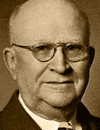
Harry Ironside emphasizes that true repentance is a work of the Holy Spirit, not a self-generated effort, and that effective preaching must lead individuals to recognize their lost condition and the necessity of salvation through Christ. He argues that while the term 'repentance' may be misunderstoo

John Gill emphasizes the significance of prayer in the life of a believer, highlighting the necessity of praying both with the Spirit and with understanding. He explains that prayer should be directed solely to God, acknowledging Him as the only true object of worship, and that it should be done in

Andrew Murray emphasizes the vital role of the Holy Spirit in understanding and experiencing the Word of God, asserting that while the flesh is of no profit, the Spirit brings life. He explains that Jesus' words are not merely for intellectual comprehension but are meant to be received into the very
Smith Wigglesworth emphasizes the importance of the word of knowledge through the Holy Spirit, urging believers to fully embrace God's revelation and mix it with faith for it to be effective. He highlights that Christ is the unshakeable foundation upon which we must build our lives, and that the gif
Andrew Murray emphasizes the vital role of the Holy Spirit in prayer, explaining that while we may struggle to articulate our needs, the Spirit intercedes for us with unutterable groanings that align with God's will. He illustrates how the Spirit connects us to the Father and the Son, enabling us to

T. Austin-Sparks emphasizes the significance of the people of God entering their inheritance as depicted in the book of Joshua, drawing parallels to the New Testament. He highlights the role of the Holy Spirit in guiding believers into their spiritual inheritance, which is often met with conflict an
Andrew Murray emphasizes the significance of worshiping God in spirit and truth, as taught by Jesus to the Samaritan woman. He explains that true worship is not confined to knowledge or place but is a spiritual experience that comes from a relationship with God through the Holy Spirit. Murray highli

David Wilkerson shares a personal testimony about the struggle of maintaining love and patience with those closest to us, emphasizing the danger of being easily provoked. He recounts a moment of conviction from the Holy Spirit regarding his own anger and the realization that he had fallen back into
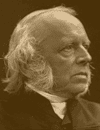
Andrew Bonar emphasizes the vital role of the Holy Spirit in convincing the world of sin, righteousness, and judgment. He explains that the Spirit awakens the conscience of sinners, revealing their need for salvation and the righteousness found in Christ. Bonar illustrates how the Spirit works silen

Horatius Bonar emphasizes the vital role of the Holy Spirit in spiritual life, asserting that true worship and energy come only through His presence. He warns against hollow religion that lacks the Spirit, which can lead to a superficial faith devoid of love and joy. Bonar illustrates how the Spirit
Andrew Murray emphasizes the transformative power of the Holy Spirit in the believer's life, explaining that through the 'Law of the Spirit of Life in Christ Jesus,' we are liberated from the 'Law of Sin and Death.' He highlights the necessity of faith in experiencing this freedom, as believers ofte
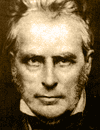
John Nelson Darby addresses the concept of a clergyman as a significant sin against the Holy Ghost, arguing that this notion substitutes human authority for the divine power of the Holy Spirit, leading to the church's destruction. He emphasizes that true ministry should be based on the Spirit's guid
T. Austin-Sparks emphasizes the critical need for Christians to recognize the spiritual foundation of their faith, warning against the tendency to slip into a mere formalism that lacks true spiritual vitality. He highlights Paul's letters to Timothy as a call to remember the original anointing and t
Andrew Murray emphasizes the transformative power of prayer in the life of a believer, highlighting three stages of spiritual growth: the assurance of forgiveness, the struggle for strength, and the maturity of fellowship with God. He explains that true prayer in Jesus' name is made possible through

William MacDonald emphasizes the vital role of the Holy Spirit in the church, urging congregations to seek His guidance in all matters, from decision-making to worship practices. He highlights the sovereignty of the Spirit, noting that His unpredictable nature should not be constrained by human cont

Chuck Smith discusses the gift of prophecy as a vital manifestation of the Holy Spirit, emphasizing its historical significance and its role in edifying, exhorting, and comforting the church. He explains that prophecy is not solely predictive but also involves speaking God's truth to His people, as
John Nelson Darby emphasizes the dual role of the Holy Spirit as the Comforter in John 14-16, highlighting that the Father sends the Holy Spirit in Christ's name to establish our relationship with Him, while Christ sends the Spirit to reveal His glory and comfort the believers. He reassures the disc
Andrew Murray emphasizes the necessity of Christ's departure for the coming of the Holy Spirit, who glorifies Christ in the hearts of believers. He explains that the glorification of Christ occurs both in heaven by the Father and on earth by the Spirit, revealing Christ's hidden excellence and worth

A.W. Tozer emphasizes the critical conflict in contemporary Christianity between objective intellectualism and the necessity of spiritual revelation through the Holy Spirit. He warns that an over-reliance on human intellect could lead to a lifeless orthodoxy, stripping the faith of its vital spiritu
D.L. Moody emphasizes the contrast between long-sightedness and short-sightedness in faith, using Abraham and Lot as examples. Abraham, with his eyes set on the eternal city built by God, exemplifies long-sightedness, while Lot represents those who are focused only on immediate worldly pleasures. Mo

Leonard Ravenhill emphasizes the transformative power of Romans 8, contrasting it with the despair of Romans 7. He highlights that while chapter 7 depicts a life of bondage and self-centeredness, chapter 8 reveals the glory of being liberated through the Holy Spirit, where believers are declared 'mo
David Wilkerson emphasizes the profound love of the Father for His children, highlighting that many believers struggle to accept this love while remaining focused on conviction and judgment. He contrasts the legalistic mindset that thrives on condemnation with the true understanding of God's love, w

R.A. Torrey addresses the animosity the world holds towards Jesus and His disciples, emphasizing that this hatred is a consistent theme throughout history. He explains that believers are separated from the world by their faith in Christ, which often leads to persecution, yet they can find comfort in
John Nelson Darby discusses the pivotal events in Acts 8, focusing on Saul's persecution of Christians following Stephen's martyrdom, which marked the culmination of humanity's enmity against God. He emphasizes that while Saul sought to destroy the church, God's sovereign grace began to spread the g
John Nelson Darby emphasizes the profound connection between Christ and His followers, illustrating how Jesus desires for us to understand our association with Him. He explains that despite Christ's rejection, He tirelessly works to assure us of His love and care, culminating in the promise of the H

A.W. Pink emphasizes the profound love of Christ for His people, illustrated through His cleansing of sins by His blood and the dignities He bestows upon them. He highlights the essential role of the Holy Spirit, who regenerates believers and imparts faith, enabling them to truly appreciate Christ's
Andrew Murray emphasizes the significance of abiding in Christ through the Holy Spirit, highlighting that this divine anointing teaches believers how to maintain a continuous relationship with Jesus. He reassures that the Holy Spirit works within us, guiding our spiritual lives even when we do not f
Andrew Murray emphasizes the necessity of the Holy Spirit's revelation for understanding God's wisdom, contrasting it with the insufficiency of human wisdom. He explains that true faith must be rooted in the power of God rather than in persuasive human arguments, as seen in Paul's preaching. Murray

Roy Hession emphasizes the dual role of the Holy Spirit as the Advocate of the Lord Jesus, highlighting that while Jesus intercedes for believers in heaven, the Holy Spirit advocates for Christ's interests within believers. The Holy Spirit's primary function is to glorify Christ, convicting individu

G.W. North emphasizes the concept of Jesus Christ as the Representative Man, illustrating how He serves as both the eternal Son of God and the ultimate example for humanity. He highlights that while salvation comes solely through faith in Christ's sacrifice, believers are called to emulate His life,
T. Austin-Sparks emphasizes the significant contrast between the Old and New Dispensations, illustrating how the Jewish rulers in Jerusalem failed to recognize the deeper meaning of the Scriptures, despite their familiarity with them. He argues that the coming of the Holy Spirit introduced a new und
T. Austin-Sparks emphasizes the profound significance of our eternal union with Christ, explaining that this union is not merely a theological concept but a vital spiritual reality that transcends human understanding and experience. He highlights that this union is rooted in God's eternal purpose an
T. Austin-Sparks emphasizes the role of the Holy Spirit as the 'Spirit of Holiness', contrasting it with the unholy spirit represented by Satan. He discusses the misconceptions surrounding holiness, which often lead to bondage and confusion among believers, and stresses that true holiness is a power
John Gill emphasizes the vital role of the Holy Spirit in the Covenant of Grace, illustrating that the Spirit is not merely a bystander but an active participant who approves and engages in the covenant's promises and provisions for salvation. He highlights the Spirit's involvement in the incarnatio

F.B. Meyer discusses the concept of the 'natural man' as described by the Apostle Paul, emphasizing that the natural man lacks the Spirit of God and is spiritually discerned. He contrasts the natural man with the spiritual man, who is filled with the Holy Spirit and lives under His influence. Meyer

J.R. Miller emphasizes the transformative power of visions and dreams in our lives, asserting that they inspire us to strive for higher achievements and greater beauty. He illustrates this through examples of artists, inventors, and historical figures like Columbus, who pursued their dreams despite
David Wilkerson emphasizes the urgency of longing for Jesus' return, as expressed in Revelation 22:7 and 22:12, where Christ promises to come quickly and reward each according to their works. He highlights the collective cry of the Spirit and the bride, urging believers to actively pray for Christ's
John Nelson Darby emphasizes the sufficiency of the Lord in all aspects of life, highlighting the importance of personal ministry and visiting others as a vital part of Christian work. He argues that while public testimony is valuable, the private work of understanding and applying doctrine is essen
T. Austin-Sparks emphasizes that the divine testimony of God's glory is central to the purpose of creation and the Church, as illustrated in Zechariah 4. He explains that throughout history, individuals and nations have been called to bear witness to God's glory, ultimately culminating in the Church

A.B. Simpson emphasizes that in Jesus, we find our completeness, akin to an architect's model that is fully realized in heaven. The Holy Spirit plays a crucial role in transferring the gifts and graces of Christ into our lives, enabling us to embody the life of holy service for which we are called.
A.W. Tozer emphasizes that God created humanity to worship Him, and that sin disrupted this natural inclination, leading to a loss of perfect fellowship with the Creator. He points out that while people instinctively seek to worship, they often choose what to worship based on personal preference, ef
A.W. Tozer emphasizes the necessity of divine illumination for true conversion, arguing against the rationalistic approach to faith that relies solely on textual understanding. He highlights that mere intellectual assent to the Bible is insufficient for salvation; instead, a transformative work of t
D.L. Moody emphasizes the critical role of testimony in the Christian faith, asserting that without proclaiming the Gospel of Christ, the Holy Spirit lacks the opportunity to work in people's hearts. He illustrates this by referencing Peter's testimony on Pentecost, which sparked the Spirit's descen
T. Austin-Sparks addresses the theme of spiritual blindness, drawing parallels between the Israelites' inability to see God's glory in Moses and the contemporary struggle of unbelievers to perceive the light of the gospel. He emphasizes that this blindness is caused by the 'god of this age,' who see
T. Austin-Sparks emphasizes the vital role of the Holy Spirit in understanding the Church's spiritual nature, asserting that true spirituality is only possible through His guidance. He discusses the Church as a corporate entity that stands between individual believers and the spiritual forces at wor
T. Austin-Sparks emphasizes the urgent call for holiness as expressed by the prophets, contrasting the old and new dispensations. He highlights how the early church was challenged to move beyond traditional mindsets and embrace the revolutionary work of the Holy Spirit, which requires a deep commitm
T. Austin-Sparks emphasizes the transition from individual faith to a corporate body of believers in John 10, highlighting that true spiritual life is found in community rather than isolation. He explains that while individuals are important, God's purpose is to create a unified body where Christ is
T. Austin-Sparks emphasizes the importance of maintaining the Lord's testimony on earth during His absence, drawing parallels between the Old Testament figures of Elijah and Elisha and the New Testament apostles. He explains that just as Elisha was chosen and empowered to carry on Elijah's work, bel
A.W. Tozer emphasizes the necessity of the Holy Spirit in understanding and applying Scripture, warning against a purely intellectual approach to faith. He critiques churches that rely solely on the text without the transformative power of the Holy Spirit, advocating for a deeper, inward illuminatio
John Gill expounds on 1 John 5:6, emphasizing that Jesus Christ came by both water and blood, signifying His baptism and sacrificial death. He clarifies that the 'water' refers to the ordinance of baptism, which revealed Christ as the Son of God, while the 'blood' signifies His atoning sacrifice for
Andrew Murray emphasizes the necessity of having a spiritual ear and eye to truly know God, highlighting that the Holy Spirit, as both Creator and Redeemer, inhabits the spirit of man and inspires it with divine life. He explains that while the Holy Spirit is available to all, only those who seek to
Chuck Smith addresses the irony of the people of Israel, who call themselves the house of Jacob yet live far from God, drawing parallels to modern Christians who bear the name but do not embody Christ-like values. He emphasizes the danger of trying to control the Spirit of God, as the people sought
Chuck Smith emphasizes the role of the Holy Spirit as the restrainer of evil in the world, highlighting the ongoing spiritual battle against Satan's forces. He explains that while Satan is preparing for a final conflict, the Holy Spirit, through the church, is currently holding back the full manifes
Smith Wigglesworth emphasizes that believers are living epistles of Christ, written not with ink but by the Spirit of God on the hearts of men. He explains that true understanding of God's Word comes through the Spirit, which brings life and transformation, contrasting the old covenant of the letter

G. Campbell Morgan explores the relationship between the Spirit of God and unfallen man, emphasizing that humanity's current state is a result of sin, which has obscured the original divine intention for man. He highlights that while Jesus Christ embodies the fulfillment of God's ideal for humanity,
G. Campbell Morgan explores the journey from humanity's fall into sin to the promise of reconciliation through the Messiah, emphasizing that God's grace was evident even in the moment of rebellion. He explains that the Old Testament sacrificial system foreshadowed the ultimate sacrifice of Jesus Chr
Charles Finney emphasizes the critical need for divine teaching in understanding and applying the gospel, arguing that human reason alone is insufficient for spiritual enlightenment and sanctification. He explains that while individuals can grasp the historical and doctrinal aspects of Christianity,
A.W. Pink emphasizes that God has graciously provided us with the Scriptures and the Holy Spirit as our infallible Instructor, guiding us through spiritual truths and illuminating our understanding. He highlights that true comprehension of God's Word is a divine blessing rather than an intellectual
Horatius Bonar emphasizes the necessity of the 'breath of life' in the spiritual life of individuals and congregations, using Ezekiel 37:8 to illustrate that mere appearance or sound doctrine is insufficient without the Holy Spirit's life-giving presence. He outlines four stages of spiritual renewal
T. Austin-Sparks emphasizes the foundational truth of Christianity, which is centered on the death and resurrection of Jesus Christ. He encourages the audience to approach the New Testament with fresh eyes, recognizing that the core message is about Jesus, who was crucified and rose from the dead, m
Charles Finney addresses the dangers of fanatical spirits during revivals, warning that some individuals may confuse genuine spiritual guidance with impulsive feelings. He emphasizes that true influence from the Holy Spirit enlightens the mind and leads to rational actions, rather than mere emotiona
A.W. Tozer emphasizes that true spiritual love for Jesus transcends human affection and can only be expressed through the Holy Spirit. He argues that while humans can love Jesus in a way similar to loving historical figures, this pales in comparison to the divine love that the Spirit enables. Tozer
A.W. Tozer emphasizes the importance of genuine motivation in faith, arguing that forcing individuals to act under psychological pressure leads to a weak and insincere religion. He asserts that valid actions must stem from natural urges or a convinced mind, much like hunger drives a person to eat wi
T. Austin-Sparks emphasizes that Peter's declaration in Acts marks the transition into a new spiritual age, as prophesied by Joel. He explains that the book of Acts is not merely about the activities of the apostles but signifies a profound shift from natural to spiritual realities, where the Holy S
T. Austin-Sparks emphasizes the significance of the 'Man in the Glory,' illustrating how the Spirit of God governs and transforms believers to reflect Christ's image. He draws parallels between the visions in Ezekiel and the Acts of the Apostles, highlighting the spiritual authority of Christ as the

C.H. Spurgeon emphasizes that the Holy Spirit reveals Christ to us, opening our minds to understand His teachings and continuing the work Jesus began on earth. He asserts that while we may seek various forms of knowledge, the most essential knowledge is of Jesus Himself, as highlighted throughout th
T. Austin-Sparks emphasizes the transformative role of the Holy Spirit in the current dispensation, highlighting that it is characterized by Christ's enthronement and the Spirit's active presence within the Church. He explains that the Holy Spirit grants spiritual vision to all believers, enabling t
T. Austin-Sparks emphasizes the special vocation of God's people, illustrating the distinctions within the community of faith through the example of Israel's structure around the tabernacle. He explains that while all believers share in the benefits of Christ's sacrifice, there exists a deeper, more
T. Austin-Sparks emphasizes the transformative power of beholding Christ, drawing parallels between Jesus' transfiguration and the believer's ongoing transformation into His image. He explains that this process is facilitated by the Holy Spirit, who works within us to reflect Christ's character and
T. Austin-Sparks emphasizes the significance of the Holy Spirit's advent, marking a transformative shift in God's economy and the believer's relationship with Him. He explains that the Holy Spirit's role is to actualize the work of Christ in believers, making the realities of the Incarnation, earthl
T. Austin-Sparks emphasizes the significance of the Holy Spirit in revealing God's purpose through the Church and individual believers, drawing parallels from Ezekiel's prophetic ministry. He highlights the dynamic incentive of purpose that drives men of the Spirit, the impact of that purpose on the
T. Austin-Sparks emphasizes the profound relationship between the Holy Spirit, the Word of God, and the Heavenly Man, illustrating how the Holy Spirit is integral in the birth, conflict, ministry, and life of Christ. He explains that the Word must be internalized and lived out, rather than merely un
T. Austin-Sparks emphasizes the significance of the 'beginning' in the New Testament, illustrating how early believers faced a conflict between the natural man and the spiritual man due to the transformative work of the Holy Spirit. He explains that the early church was not a new religion or teachin
T. Austin-Sparks emphasizes the significance of function and energy in the Church, likening it to the human body where each part has a unique role and purpose, energized by the Holy Spirit. He explains that just as the body comprises various specialized organs, the Church consists of diverse members
T. Austin-Sparks emphasizes the transformative power of beholding the Lord, illustrating how we are changed into His image through the process of spiritual formation. He draws parallels between the baptism of Jesus and our own spiritual journey, highlighting the essential connection between baptism
T. Austin-Sparks emphasizes the parallels between the Corinthian Christians and Israel in the wilderness, highlighting their positional standing in Christ and the need for their spiritual condition to align with that position. He stresses the importance of Christ as the central figure and the Holy S
T. Austin-Sparks emphasizes that the divine testimony of God's glory is the ultimate purpose behind creation and the Church's existence. He illustrates how this testimony has been passed through individual witnesses, Israel, and ultimately to the Church, which must rely on the Holy Spirit to display
F.B. Meyer emphasizes the necessity of direct assurance from the Holy Spirit in our Christian lives, paralleling the experience of those excluded from priesthood due to lack of proper documentation. He highlights that mere reasoning or external validation is insufficient; believers must seek the inn
F.B. Meyer emphasizes the necessity of having a messenger or interpreter to understand God's dealings with humanity, particularly in times of pain and suffering. He explains that God, in His love, seeks to guide us away from destruction, but often we fail to grasp His intentions without help. The ro
A.W. Tozer emphasizes the necessity of divine illumination for understanding spiritual truths, arguing that mere intellectual grasp of Scripture is insufficient without the Holy Spirit's guidance. He critiques the tendency among conservative Christians to rely solely on doctrinal correctness while n
F.B. Meyer emphasizes the necessity of relinquishing the self-life through three pivotal steps: the cross, the Spirit, and the contemplation of the risen Christ. He explains that the cross symbolizes not only Christ's sacrifice but also the sanctification of our sinful nature, urging believers to se
David Wilkerson emphasizes that true spirituality cannot be duplicated by human effort or knowledge, as it is solely the work of the Holy Spirit. He warns against the modern misconception that imparting biblical knowledge can create spiritual growth, asserting that only the Holy Spirit can produce g
David Wilkerson emphasizes that the true church of Jesus Christ is cherished by God, despite facing apostasies and false teachings throughout history. He warns that many will turn away from sound doctrine, as prophesied by Paul, leading to a dilution of the gospel. However, Wilkerson reassures that
A.B. Simpson emphasizes the vital role of the Holy Spirit in the Epistle to the Hebrews, illustrating His connection to Christ's death, the New Covenant, and the supernatural workings of the Gospel. The Holy Spirit not only empowered Jesus during His crucifixion but also serves as the witness of the

Hans R. Waldvogel emphasizes that Pentecost is fundamentally about a deep love relationship between Jesus and His followers. He urges believers to pray for a greater love for Jesus, highlighting that true love for Him transcends mere blessings and requires a commitment to serve and delight in Him. W
John Nelson Darby emphasizes that humanity cannot stand before God based on their own righteousness, as all are guilty and lost due to sin. He explains that the law revealed man's inability to achieve salvation, but through Christ's crucifixion, God's love and perfect righteousness were demonstrated
G.W. North emphasizes the vital role of the Holy Spirit and Christ as intercessors in the life of believers, highlighting that their intercession is essential for fulfilling God's purposes in the Church and the world. The Holy Spirit creates a longing for Christ-likeness within us, initiating a pray
G.W. North emphasizes the significance of the Spirit's power in the application of spiritual gifts, urging believers to recognize that the manner in which these gifts are expressed is more crucial than the gifts themselves. He highlights that the same Spirit that empowers our actions must also gover
G.W. North emphasizes the distinct roles of Prophesying and Preaching in the New Testament, highlighting the careful choice of words by the writers to differentiate these ministries. He explains that while Preaching encompasses a wide range of expressions, the term for Prophecy remains consistent an
John Nelson Darby emphasizes the comfort found in Christ's promise of His return and the gift of the Holy Spirit to the disciples, who were troubled by His impending departure. He reassures them that they belong to a heavenly home, where Christ prepares a place for them, and that their relationship
John Nelson Darby emphasizes the contrast between Christ's divine authority and the rejection He faced from His own people, highlighting the role of the Holy Spirit as the Comforter who guides believers after Christ's ascension. He explains that the Holy Spirit's work involves convicting the world o
John Nelson Darby emphasizes that a true Christian is an 'epistle of Christ,' with Christ engraved on their hearts rather than on stone tablets. He contrasts the law, which condemns and brings death, with the grace of God through Jesus, who offers righteousness and liberty through the Holy Spirit. D
R.A. Torrey explores the significance of Jesus' circumcision and presentation in the temple, emphasizing the fulfillment of the law and the prophetic nature of these events. He highlights the obedience of Mary and Joseph, the role of Simeon as a devout believer waiting for the consolation of Israel,
R.A. Torrey emphasizes the profound comfort Jesus offers His disciples during His absence, highlighting that love for Christ is demonstrated through obedience to His commandments. He explains that the Holy Spirit, sent by the Father in Jesus' name, serves as a Comforter and guide, ensuring believers
John Nelson Darby discusses the challenges faced by the early church as the flesh manifests itself among Christians, particularly in larger groups. He emphasizes the importance of separating the preaching of the word from the care of the poor, as the apostles appointed deacons to manage these respon
John Nelson Darby expounds on the Gospel of John, emphasizing the dual nature of Christ as both divine and human. He highlights that Christ, the Word made flesh, came to reveal the Father and offer grace and truth to humanity. Darby explains the significance of Christ's incarnation, His role as the
John Nelson Darby emphasizes the significance of the Nazarite vow as a representation of separation unto God, highlighting the role of the Holy Spirit in empowering believers to live holy lives while navigating the challenges of the wilderness. He draws parallels between the Nazarite's commitment an
John Nelson Darby addresses the rule of faith in the church, emphasizing that true power comes from the Holy Spirit rather than human authority or tradition. He argues that the Scriptures serve as the ultimate authority for faith, and that any reliance on church authority undermines the direct relat
John Nelson Darby discusses the early church's establishment and the apostles' ministry, particularly focusing on Peter's call for Israel to repent and the implications of Christ's resurrection. He emphasizes the ongoing relationship between God and Israel, the rejection of the apostles by the relig
G. Campbell Morgan emphasizes the transformative power of the Holy Spirit in the establishment and functioning of the Church, highlighting how the Spirit unites believers into one body and empowers them for worship, prayer, and prophecy. He explains that the Holy Spirit serves as the Defender of the