
The preachers quoted here say the anointing is the Holy Spirit himself: Christ inside the believer, given to every Christian and abiding in them. They describe it as the Spirit's teaching presence, as consecration to God, and as the power of God working through a life, and they insist it is different from natural ability.
In Scripture to anoint is to pour oil on a person or thing set apart for God. The Hebrew verb is mashach,1 from which comes Messiah, the Anointed One; Christ is the Greek for the same title. The New Testament uses the noun chrisma2 for something every believer has received: "You, however, have an anointing from the Holy One, and all of you know the truth" (1 John 2:20). The anointing is the Holy Spirit himself, given by the Father through the Son.
Oil and the Spirit
Priests, kings and sometimes prophets were anointed for their office. God told Moses, "Anoint Aaron and his sons and consecrate them to serve Me as priests" (Exodus 30:30). The oil was a sign of something greater. When David was anointed, "the Spirit of the LORD rushed upon David from that day forward" (1 Samuel 16:13). Lewis Sperry Chafer drew out the meaning of the sign: "By the indwelling of the Spirit, the individual is sanctified or set apart for God."3
Jesus, the Anointed One
Jesus read Isaiah's words in the synagogue at Nazareth as his own: "The Spirit of the Lord is on Me, because He has anointed Me to preach good news to the poor" (Luke 4:18). Peter summed up his ministry: "God anointed Jesus of Nazareth with the Holy Spirit and with power" (Acts 10:38). Jim Cymbala reminded his hearers what the title means: "And Christ means, the Greek word for Christ means anointed one, the anointed one."4 The believer's anointing comes from his. Those who are in the Anointed One share the Spirit who rested on him.
Every believer is anointed
Paul says of all Christians, "He anointed us, placed His seal on us, and put His Spirit in our hearts as a pledge of what is to come" (2 Corinthians 1:21-22). John wrote to ordinary believers troubled by false teachers and did not send them to look for a new experience. He told them what they already had: "the anointing you received from Him remains in you" (1 John 2:27). Chafer stressed the word: "In this passage, the important truth disclosed is that the Anointing abides."3 Cymbala put it plainly: "The anointing is Christ inside of us, i.e. the Holy Spirit."4 T. Austin-Sparks called it "the birthright of every child of God: to be in the light of the indwelling Spirit of light, the Spirit of God."5
The anointing teaches
"You do not need anyone to teach you. But just as His true and genuine anointing teaches you about all things, so remain in Him as you have been taught" (1 John 2:27). John is not dismissing teachers. He is one himself, and Christ gives teachers to the church. His point is that believers do not depend on secret knowledge or on a human authority to know Christ. William MacDonald defined the anointing in this sense: "The anointing is the use of the Holy Spirit in connection with his teaching ministry."6 Sparks wrote, "The final authority and arbiter in all matters is the Spirit of God, the Spirit of the anointing."5 Jesus had promised it: "when the Spirit of truth comes, He will guide you into all truth" (John 16:13).
The Spirit and the Scriptures
The Spirit who anoints is the Spirit who inspired Scripture, and he does not lead against what he has written. F. B. Meyer used a railway picture: "you must have the steel rails of the Bible as well as the steam power of the Holy Ghost."7 The anointing does not license anyone to invent doctrine. It opens the heart to understand, love and obey what God has said. The Spirit's aim is Christ: "He will glorify Me by taking from what is Mine and disclosing it to you" (John 16:14).
The anointing consecrates
In the Old Testament what was anointed was made holy to the Lord. A. B. Simpson applied the anointing of the tabernacle to the Christian: "The tabernacle here represents the consecration of our body and life to the Lord, and the anointing denotes the baptism and filling of the Holy Spirit."8 Paul asks, "Do you not know that your body is a temple of the Holy Spirit who is in you, whom you have received from God? You are not your own" (1 Corinthians 6:19). And he warns, "do not grieve the Holy Spirit of God, in whom you were sealed for the day of redemption" (Ephesians 4:30). God anoints a life to make it his, not to make it impressive.
Indwelling and filling
Chafer distinguished two things that are often confused: "The filling with the Spirit, which is often repeated, should not be confused with the once-for-all indwelling, or anointing, of the Spirit."3 Every believer has the Spirit. Not every believer is living under his control, and so the command stands: "be filled with the Spirit" (Ephesians 5:18). The first church knew repeated fillings: "After they had prayed, their meeting place was shaken, and they were all filled with the Holy Spirit and spoke the word of God boldly" (Acts 4:31).
Power for service
Many preachers use the word anointing, or the older word unction, for the Spirit's power resting on a person for a task. They point to Christ's promise, "you will receive power when the Holy Spirit comes upon you, and you will be My witnesses" (Acts 1:8), and to his instruction to wait "until you have been clothed with power from on high" (Luke 24:49). Paul's preaching came "with a demonstration of the Spirit's power" (1 Corinthians 2:4).
E. M. Bounds wrote, "Unction is a thing which you cannot manufacture, and its counterfeits are worse than worthless."9 Sparks insisted that it is not talent: "The anointing is different from natural ability and qualification."10 Shane Idleman said simply, "The anointing is the power of God working in your life."11
What the anointing is not
It is not emotion, though emotion may accompany God's work. Its evidence is the fruit of the Spirit and a life that honours Christ. It is not a badge of rank. And it is not proved by spectacular ministry. Jesus warned of people who will say, "Lord, Lord, did we not prophesy in Your name, and in Your name drive out demons and perform many miracles?" and who will hear, "I never knew you; depart from Me, you workers of lawlessness!" (Matthew 7:22-23).
Not by might
The two uses of the word belong together. Every believer has the Spirit; not every believer, or every sermon, shows the same measure of his power. Scripture's caution is that the work is God's: "Not by might nor by power, but by My Spirit, says the LORD of Hosts" (Zechariah 4:6). The anointing is the Holy Spirit, given to Christ without measure and shared with his people, to teach them, to set them apart, and to make their service effective.
- Strong's Hebrew 4886, mâshach: "to rub with oil, i.e. to anoint; by implication, to consecrate; also to paint".
- Strong's Greek 5545, chrîsma: "an unguent or smearing, i.e. (figuratively) the special endowment ("chrism") of the Holy Spirit".
- Lewis Sperry Chafer, "God the Holy Spirit: His Anointing" (sermon).
- Jim Cymbala, "The Anointing" (sermon).
- T. Austin-Sparks, "The Anointing: Light Within Our Dwellings (1 John 2:27)" (sermon).
- William MacDonald, "Be Filled With the Spirit" (sermon).
- F.B. Meyer, "The Anointing With the Holy Spirit" (sermon).
- A.B. Simpson, "Epistles of John Chapter 4 the Anointing" (sermon).
- E.M. Bounds, Power Through Prayer, "Part 2".
- T. Austin-Sparks, "The Church - the Anointed Vessel" (sermon).
- Shane Idleman, "Surviving the Anointing" (sermon).
In their own words
Each line below is quoted exactly from a sermon on this site. Follow the link to hear or read it where it was said.
The anointing is the use of the Holy Spirit in connection with his teaching ministry.
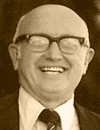 William MacDonald
in Be Filled With the Spirit
Listen at 19:09
The anointing is the indoctrinating faculty and power within you that whereby God teaches you all things.
 G.W. North
in The Anointing: The Doctrine of Christ
Listen at 26:23
The anointing is different from natural ability and qualification.
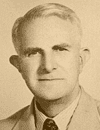 T. Austin-Sparks
in The Church - the Anointed Vessel
Read in context
The anointing is the power of God working in your life.
 Shane Idleman
in Surviving the Anointing
Listen at 2:59
The anointing is the overflow of the power of the Messiah, the anointed one.
 Michael Koulianos
in The Communion of the Spirit
Listen at 18:02
The anointing is sent for the oppressed, for the captives, for the brokenhearted, for the blind, for the poor, to proclaim the acceptable year of the Lord.
 Esther Ibanga
in Anointed for Burial
Listen at 49:32
And the anointing is a precious and an awesome thing.
 Teresa Conlon
in The Anointing
Listen at 59:13
The anointing is ONE, although in a variety of operations.
T. Austin-Sparks
in The Church - the Anointed Vessel
Read in context
In this passage, the important truth disclosed is that the Anointing abides.
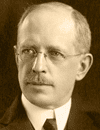 Lewis Sperry Chafer
in God the Holy Spirit: His Anointing
Read in context
The anointing is Christ inside of us, i.e. the Holy Spirit.
 Jim Cymbala
in The Anointing
Listen at 7:28
The final authority and arbiter in all matters is the Spirit of God, the Spirit of the anointing.
T. Austin-Sparks
in The Anointing: Light Within Our Dwellings (1 John 2:27)
Read in context
The tabernacle here represents the consecration of our body and life to the Lord, and the anointing denotes the baptism and filling of the Holy Spirit.
 A.B. Simpson
in Epistles of John Chapter 4 the Anointing
Read in context
What Scripture says
- 1 John 2:20 You, however, have an anointing from the Holy One
- 1 John 2:27 the anointing you received from Him remains in you
- 2 Corinthians 1:21-22 He anointed us, placed His seal on us, and put His Spirit in our hearts
- Luke 4:18 He has anointed Me to preach good news to the poor
- Acts 10:38 God anointed Jesus of Nazareth with the Holy Spirit and with power
- Acts 1:8 you will receive power when the Holy Spirit comes upon you
- Zechariah 4:6 Not by might nor by power, but by My Spirit
How this page is made: the quotes are taken word for word from sermons on SermonIndex and checked against them by program before the page is published. The transcripts of audio and video sermons are machine-made, so follow the link to hear the words as they were spoken. The answer above the quotes is an overview with its sources listed; it is not a statement of doctrine by SermonIndex.