
The concept of God's delight is a profound theme in the Bible, underscoring the profound affection and pleasure that God takes in His creation and His people. As expressed in Psalms 147:11, God delights in those who fear Him and put their hope in His unfailing love, highlighting the intimate and personal nature of His relationship with believers. Furthermore, Zephaniah 3:17 notes that God will take great delight in His people, rejoicing over them with singing, emphasizing the depths of His emotional investment in their lives and well-being. This idea is also reflected in Isaiah 62:4, where God promises to delight in His people, calling them by a new name, illustrating the transformative power of His love and delight.

John Gill emphasizes the profound complacency and delight that God experienced within Himself and among the divine Persons before the creation of any beings. He explains that God's happiness is complete and self-sufficient, independent of creation, and that His eternal purposes and the mutual deligh

David Wilkerson emphasizes that God delights in His Son, Jesus Christ, as seen in Isaiah's prophecy and the baptism of Jesus, where God declares His pleasure in Him. The sermon highlights that while countless animal sacrifices were made in the Old Testament, they did not bring God pleasure, as they

Andrew Murray emphasizes that God is the essence of love, demonstrating His selflessness by continually giving to His creation. He illustrates how God's love is evident in nature and in the divine relationship within the Trinity, where the Father, Son, and Holy Spirit embody and express love. Murray
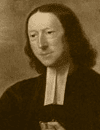
John Wesley preaches on the Trinity, emphasizing that true religion is not merely about holding correct opinions but about a vital relationship with God. He argues that the doctrine of the Trinity, as stated in 1 John 5:7, is essential to understanding the nature of God and the Christian faith. Wesl

C.H. Spurgeon emphasizes the profound truth of the Trinity and the believer's adoption as children of God, highlighting the distinct roles of the Father, Son, and Holy Spirit in our salvation. He explains that through faith, believers receive the Spirit of God, which enables them to cry out 'Abba, F

A.W. Tozer emphasizes the profound truth of the Trinity, expressing that his deepening understanding of the Bible reinforces his belief in the triune God. He reflects on the seraphim's worship in Isaiah's vision, pondering why past saints did not recognize the Trinity from their chorus of 'Holy! Hol

D.L. Moody emphasizes the distinct personalities within the Godhead--Father, Son, and Holy Spirit--highlighting their unity and individual roles in the divine plan. He explains that while the Father plans, the Son executes, and the Holy Spirit applies, they work together in perfect harmony. Moody as

G.W. North emphasizes the transformative nature of baptism in the New Covenant, explaining that the apostles, after Jesus' resurrection, were commanded to baptize in the name of the Father, Son, and Holy Spirit, reflecting a deeper understanding of the Godhead. He highlights that this new baptism re
John Gill expounds on 1 John 5:7, emphasizing the significance of the heavenly witnesses--the Father, the Word, and the Holy Ghost--who testify to the divinity and sonship of Jesus Christ. He addresses the textual controversies surrounding this verse, defending its authenticity against claims of omi

Chuck Smith emphasizes the significance of the Holy Spirit as the third person of the Trinity, highlighting His personality and divine attributes. He shares the testimony of R.A. Torrey, who experienced a profound transformation after being baptized with the Holy Spirit, illustrating the Spirit's ac