
The concept of "Righteousness in Christ" is a fundamental tenet of Christian theology, emphasizing that believers are made righteous through their faith in Jesus Christ, rather than by their own works or merits (Romans 3:22, 2 Corinthians 5:21). This doctrine is rooted in the biblical notion that Christ's perfect obedience and sacrifice have imputed His righteousness to all who trust in Him, thereby justifying them before a holy God (Romans 5:19, Philippians 3:9). As the Psalmist declares, "The Lord is my shepherd, I lack nothing" (Psalms 23:1), so too can believers affirm that in Christ, they have been given a righteousness that is not their own, but is nonetheless truly theirs. Through this gift of righteousness, Christians are empowered to live a life of obedience and service to God, not in order to earn their salvation, but as a grateful response to the salvation they have already received in Christ.

Theodore Epp emphasizes the significance of Christ's role as our advocate in 'His Unfinished Work,' explaining that while John sets a high standard against sin, we often fall short. He reassures believers that when we do sin, we have Jesus Christ, the righteous, who intercedes for us before the Fath

Robert Murray M'Cheyne emphasizes the importance of preaching the gospel, particularly in a place as wicked and learned as Rome. He highlights Paul's readiness to share the message of Christ, stating that he is not ashamed of the gospel, which he sees as the power of God for salvation. M'Cheyne expl

John Nelson Darby emphasizes that the foolishness of man, including that of believers, serves to highlight God's wisdom. He explains that all human righteousness and pride are ultimately broken down in God's presence, leaving no room for boasting except in the Lord. Darby illustrates that true wisdo

A.W. Pink emphasizes the profound spiritual hunger and thirst for righteousness that arises from a deep awareness of one's own sinfulness and need for salvation. He explains that this longing is not only a characteristic of the unconverted but also a continual experience for believers who desire to

A.W. Tozer emphasizes that the teachings of Jesus are meant for the Church and not for a sinful society that opposes God. He explains that Christ's followers are called to be a minority in a hostile world, tasked with preaching repentance and teaching the ethics of Jesus to new disciples. Tozer asse

C.H. Spurgeon emphasizes the profound peace and joy that comes from understanding the perfect righteousness of Christ. He encourages believers to shift their focus from their own corruption to the completeness they have in Christ, reminding them that they are 'perfect in Christ Jesus.' Spurgeon asse
C.H. Spurgeon encourages mourning Christians to find solace in the perfection of Christ, reminding them that their acceptance before God is not based on their own righteousness but on Christ's sacrifice. He emphasizes that believers are clothed in the righteousness of God, making them complete and f
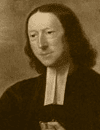
John Wesley emphasizes that Jesus did not come to abolish the Law or the Prophets but to fulfill them, asserting the enduring nature of God's moral law. He warns against the false hope of a new, easier religion and stresses that true righteousness must exceed that of the Scribes and Pharisees, who w

T. Austin-Sparks emphasizes that Christ is revealed as God's provision for righteousness and acceptance, highlighting the transformative power of seeing Christ's face. He discusses how Paul's encounter with Jesus dismantled his self-righteousness and led him to understand that true righteousness com

Thomas Brooks emphasizes the assurance of believers standing before God, clothed in the righteousness of Christ, despite their imperfections and struggles with sin. He encourages those with weak hearts to remember that they are seen as lovely and without flaw in God's eyes, as stated in Revelation 1

John Gill emphasizes the importance of being diligent in our faith as we await the coming of Christ and the establishment of the new heavens and new earth. He explains that believers must strive to be found in Christ, clothed in His righteousness, and living in peace, both with God and one another.

David Wilkerson emphasizes the power of being redeemed by the blood of Jesus, contrasting the struggle of striving for righteousness in our own strength with the true righteousness that comes through faith in Christ. He encourages believers to stop listening to the lies of the devil and to boldly de
David Wilkerson emphasizes that understanding God's justification is essential for mature believers, as many Christians remain spiritually immature, only grasping the basics of forgiveness. He compares spiritual immaturity to infants who rely on milk, highlighting that such believers live in fear of
David Wilkerson emphasizes the futility of comparing ourselves to others in our spiritual journey, revealing that true righteousness comes only from Jesus Christ. He reflects on his past struggles with feelings of inadequacy when measuring himself against seemingly holy individuals, only to realize
T. Austin-Sparks emphasizes the significance of the 'Revelation of Jesus Christ' as a call to the churches to recognize their spiritual condition and the need for alignment with God's purpose. He highlights the importance of understanding the timeless spiritual principles presented in the first chap