
The nature of sin is a fundamental concept in the Bible and Christian faith, understood as a state of rebellion against God's will and laws, separating humanity from a right relationship with Him (Romans 3:23). According to Scripture, sin originated with the disobedience of Adam and Eve in the Garden of Eden (Genesis 3:6), and since then, it has been an inherent part of the human condition, with the Bible declaring that "all have sinned and fall short of the glory of God" (Romans 3:23). The Psalmist acknowledges the pervasive presence of sin, crying out to God, "Cleanse me from my sins" (Psalms 51:2), highlighting the need for redemption and forgiveness. Through the sacrifice of Jesus Christ, Christians believe that sin can be forgiven and overcome, restoring a right relationship with God (1 John 1:9).

Paul West reflects on Charles Spurgeon's sermon, emphasizing the monstrous nature of sin that leads people to live as if God does not exist. He highlights the alarming reality that many individuals neglect God entirely, failing to consider His presence in their actions or the consequences of their c
Phil Beach Jr. emphasizes the importance of recognizing and abhorring sin in our lives, illustrating this through the story of Amnon and Tamar in 2 Samuel 13. He explains that the conflict within Christians arises from the struggle between allegiance to God and self, and that true freedom comes from
Phil Beach Jr. emphasizes the importance of understanding the human heart's sinful nature and the tendency to blame external circumstances for our actions. He explains that true wisdom and instruction come from recognizing our inherent sinfulness and the need for Christ's redemptive power in our liv

Thomas Brooks emphasizes that true repentance involves a deep awareness of the sinfulness of sin and its destructive consequences, contrasting the nature of God with the nature of sin. He explains that true repentance is marked by sorrow, contrition, and a loathing of both sin and oneself, leading t
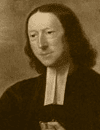
John Wesley explores the pervasive influence of the 'mystery of iniquity' that has infiltrated humanity since the fall of man, emphasizing that while God created man upright, sin has spread throughout the earth. He highlights the redemptive work of Christ as the antidote to this iniquity, yet notes

Shane Idleman passionately pleads for full surrender to Christ, emphasizing that true freedom comes from fearing God rather than man. He warns against the deceptive nature of sin, which grows if not actively dealt with, and encourages believers to repent and believe in the gospel. Idleman highlights
Peter Brandon addresses the question of what it means to be 'saved,' emphasizing that true salvation is not merely physical but spiritual, rooted in faith in Jesus Christ. He explains that all humanity is in need of salvation due to sin, which separates us from God, and that Jesus came to save sinne

Winkie Pratney explores the nature of sin, tracing its origins back to Adam and Eve's disobedience in the Garden of Eden. He emphasizes that sin is not a natural part of humanity but a moral failure that leads to both physical and spiritual death. Pratney explains that while physical depravity is in

Art Katz addresses the sensitive topic of who is responsible for the death of Jesus, emphasizing that the New Testament implicates all of humanity, including the Jewish people, in this act. He reflects on the historical consequences of the 'Christ-killer' label and the need for acknowledgment of thi

Charles Finney emphasizes the profound wisdom found in Proverbs, particularly the truth that the wicked stumble in darkness, unaware of their missteps. He explores the various ways in which sinners are blinded by self-will, ignorance, and prejudice, leading them to justify their actions while remain

Chuck Smith emphasizes the theme of being accepted by God through Jesus Christ, contrasting the rejection of the elders of Israel due to their sins with the promise of acceptance through the 'sweet savor' of Christ. He explains that sin separates us from God, making us unacceptable in our own righte

J.C. Ryle emphasizes the critical importance of understanding the nature of sin and its consequences, urging young men to recognize its true evil and the cost of atonement through Christ. He encourages them to seek a personal relationship with Jesus, as knowing Him is essential for spiritual growth

John Gill addresses the profound nature, aggravations, and tragic consequences of man's sin, emphasizing that it originated from doubt and disobedience to God. He highlights the severity of Adam's transgression, committed in the Garden of Eden, and the immediate repercussions, including the loss of
John Gill addresses the concept of actual sins and transgressions, explaining how the corruption of human nature, stemming from Adam's sin, leads to various actual sins categorized as the 'works of the flesh.' He emphasizes that these sins can be internal or external, against God, others, or oneself
Thomas Brooks emphasizes the immutable nature of God by outlining four things that God cannot do: He cannot lie, die, deny Himself, or look favorably upon iniquity. This sermon highlights God's infinite purity and righteousness, illustrating that His gaze upon sin is filled with hatred, anger, and v

A.W. Pink emphasizes that the contemporary portrayal of Christ's salvation is fundamentally flawed, focusing on escaping hell rather than being liberated from sin. He argues that many desire to avoid eternal punishment without a genuine yearning for deliverance from their sinful nature and worldly d

A.B. Simpson emphasizes that the flesh is inherently corrupt and cannot be improved or trained to align with God's law. He illustrates this with the analogy of a wild hawk that cannot be transformed into a gentle dove, highlighting that the carnal mind is in direct opposition to God. The only soluti

C.H. Spurgeon warns against taking sin lightly, emphasizing that while new converts may initially have a tender conscience, the world can desensitize them over time. He illustrates how familiarity with sin can lead to a dangerous complacency, where even small sins are rationalized and dismissed. Spu

A.W. Tozer discusses how personal interests dictate relationships between individuals and nations, emphasizing that harmony exists only when interests align. He argues that human society is structured to serve the majority's interests, and conflicts arise when these interests clash, leading to hosti
Thomas Brooks emphasizes the pervasive and penetrating nature of sin, illustrating how it infiltrates every aspect of our lives, including our thoughts, judgments, and affections. He warns that sin corrupts our understanding and poisons our will, ultimately debasing our lives and affecting our dutie
Thomas Brooks emphasizes that man is not inherently born with the light of God in his heart; rather, it is a divine gift that illuminates the soul. This spiritual light allows believers to recognize sin as the greatest evil and God as the ultimate good. It has transformative effects, melting, humbli
Thomas Brooks emphasizes the profound evil of sin in his sermon 'The Devil's Brat!', illustrating that sin is the ultimate source of all evils and the greatest threat to the soul. He explains that sin is not merely an outward affliction but an inward spiritual corruption that separates humanity from
Thomas Brooks emphasizes that sin is the greatest evil in the world, highlighting its destructive nature and the profound consequences it has on the relationship between God and humanity. He explains that sin is what God abhors, the reason Jesus Christ was crucified, and the cause of eternal damnati
Thomas Brooks emphasizes the omnipresence and omniscience of God, asserting that no sin, whether secret or open, can escape His watchful eye. He illustrates that even the most hidden sins are fully visible to God, who sees all intentions and actions, regardless of how well they are concealed. Brooks
Thomas Brooks emphasizes the deceitfulness of sin, tracing its origins to the serpent and highlighting its role as the root of all deceit in the world. He explains how sin degrades and pollutes the soul, making it unlike God and more akin to Satan. Brooks warns that sin robs individuals of God's ima
Thomas Brooks emphasizes that sin is the greatest thief, robbing humanity of its most precious gifts, including the holy image of God, divine sonship, friendship with God, communion with Him, and ultimately, glory. He illustrates how sin has not only affected Adam but has also led all mankind into a
Thomas Brooks emphasizes the persistent nature of sin, comparing it to the mythical Hydra that grows multiple heads when one is cut off. He illustrates that simply addressing sin once is insufficient, as it continually resurfaces in various forms. The sermon calls for a deeper, more consistent effor
Thomas Brooks emphasizes the omnipresence of God, illustrating that sin committed in His sight is a profound affront to His holiness. He draws parallels between the actions of Ahasuerus and the awareness of God's ever-watchful eye, urging believers to recognize that no sin can be hidden from Him. Br
C.H. Spurgeon emphasizes the profound horror that should grip believers when witnessing the sins of others, reflecting on how true holiness stirs a deep concern for the wickedness that forsakes God's law. He draws parallels with biblical figures like David and Jeremiah, who lamented the unholiness a
J.C. Ryle emphasizes the eternal nature of Jesus Christ as the Word, who existed before creation and is distinct yet one with God the Father. He highlights that Christ is not a created being but the very God who created all things and is the source of spiritual life and light for humanity. Ryle urge