
The biblical topic of human vanity refers to the fleeting and often self-centered nature of human pursuits and desires, which are ultimately devoid of lasting meaning or fulfillment. As the Bible notes, "Vanity of vanities, all is vanity" (Ecclesiastes 1:2), highlighting the emptiness of human endeavors when disconnected from God. The apostle Paul also warns against the futility of worldly ambitions, writing, "For to be carnally minded is death, but to be spiritually minded is life and peace" (Romans 8:6), while the Psalmist reminds us that true fulfillment comes from trusting in God, saying, "Trust in him at all times, you people; pour out your hearts to him, for God is our refuge" (Psalms 62:8). Through these passages, the Bible cautions against the dangers of human vanity, encouraging believers to seek lasting purpose and meaning in their relationship with God.

Thomas Brooks emphasizes the profound truth that every man, at his best state, is ultimately vanity, as stated in Psalms 39:5. He reflects on the fall of Adam, illustrating how humanity has devolved from its original glory to a state of emptiness and insignificance, likening man to dust, a shadow, a
Thomas Brooks emphasizes the inherent vanity of man, stating that even at his best, he is in constant need of various essentials for survival. In contrast, God is portrayed as the embodiment of infinite perfection, self-sufficient and lacking nothing, possessing all excellencies within Himself. Broo
Thomas Brooks preaches about the profound impact of Adam's fall, emphasizing that Adam's initial state was one of perfect knowledge, holiness, and happiness. However, through his disobedience, humanity lost five critical aspects: our holy image, divine sonship, friendship with God, communion with Hi
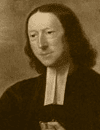
John Wesley preaches on the Fall of Man, explaining that pain and suffering in the world are a direct result of sin, which entered through Adam's choice to rebel against God. He emphasizes that humanity was created in God's image with free will, and it was this liberty that led to the choice of evil
Thomas Brooks emphasizes the tragic transformation of humanity from the pinnacle of creation to the depths of depravity following the fall. He describes how man, once created in God's image and filled with holiness, has become an abomination to God and a burden to heaven, enslaved by sin and Satan.

John Gill preaches on Genesis 3:22, emphasizing Jehovah's declaration that man has become like one of us, reflecting on the fall of humanity and the profound consequences of sin. He explores the nature of God speaking to Adam, the implications of man's lost state, and the prevention of Adam from acc

G.W. North discusses the profound consequences of Adam's choice to disobey God by eating the forbidden fruit, which led to the loss of wisdom and the introduction of folly into humanity. Adam's act not only resulted in his own spiritual downfall but also sold out the entire human race to sin and ign
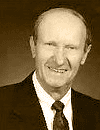
Bill Stafford emphasizes that God is our sufficiency, urging believers to trust in Him during life's storms and challenges. He reflects on the importance of living a luminous and transparent life that reflects Jesus, rather than conforming to worldly standards. Stafford encourages the church to be a
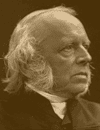
Andrew Bonar shares a heartfelt message of comfort and encouragement, reflecting on the afflictions faced by Naomi in Ruth 1:21, emphasizing that God, the 'All-sufficient One,' provides solace even in times of distress. He encourages his friend to find spiritual refreshment amidst the weariness of l
John Gill emphasizes the sufficiency and perfection of God, explaining that God is self-sufficient and does not require anything from creation to sustain His happiness or existence. He highlights that God's nature is perfect and complete, lacking nothing, and that all goodness and perfection origina