
Wickedness in the Bible generally refers to actions or attitudes that are contrary to God's will and moral standards, often characterized by evil, immorality, and rebellion against divine authority. The Hebrew word for wickedness, "rasha" (רָשָׁע), denotes a person who is guilty of wrongdoing and is often associated with injustice and unrighteous behavior (e.g., Proverbs 11:21, where it states that “the wicked will not go unpunished”). In the New Testament, the Greek term "ponēria" (πονηρία) encompasses a broader range of moral evil and malice, indicating a state of moral corruption (e.g., Mark 7:22, which lists wickedness among the evils that come from within).Biblically, wickedness is often linked to the consequences of sin, both personally and communally. For instance, in Genesis 6:5, it states that "the wickedness of man was great in the earth," prompting divine judgment through the flood. Conversely, the Bible also emphasizes the possibility of redemption and repentance from wickedness, as seen in passages like Ezekiel 18:30, where God calls His people to turn from all their offenses. Ultimately, wickedness is portrayed as a significant barrier to a relationship with God, leading to spiritual death, while righteousness and obedience are paths to life and blessing (Proverbs 12:28).

In this sermon, the preacher emphasizes the importance of running the race of the Christian life with full commitment and trust in God. He draws lessons from the story of Jeremiah, highlighting that serving the Lord is not easy and that the world often opposes the message of God's judgment. The prea
In this sermon, the speaker discusses the story of King David and his guilt after taking the widow of a fallen soldier as his wife. David felt restless and burdened by his wrongdoing, describing it as an inner roaring that left him with no rest day or night. However, when David confessed his sin, Go

Thomas Brooks emphasizes the grave condition of wicked men who willingly indulge in sin, illustrating how their hearts are hardened and their consciences seared. He warns that such individuals, who choose to live in wickedness despite the consequences, are not only blind to their peril but are also
Thomas Brooks emphasizes the importance of perceiving wicked individuals through the lens of the names given to them in Scripture, such as lions, bears, and vipers, which reflect their true nature. By understanding these descriptions, believers can be warned against the dangers of associating with s

Michael L. Brown emphasizes the importance of recognizing the 'Acharit' or the end consequences of our actions, urging believers to remain vigilant against sin and temptation. He shares personal stories and biblical wisdom to illustrate how easily one can stray from the path of righteousness, leadin
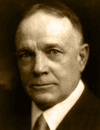
Billy Sunday passionately addresses the consequences of sin and the inevitability of judgment, urging young people to recognize that their actions have repercussions. He emphasizes the biblical truth that 'whatsoever a man soweth, that shall he also reap,' warning against the seductive nature of sin

R.B. Jones preaches on the profound agony of Jesus on the cross, illustrating it as a representation of the torment of hell for those who reject Him. He emphasizes that the physical suffering was merely a symbol of a deeper mental and spiritual torment, particularly the anguish of being forsaken by
Chuck Smith discusses Daniel's vision of the kingdoms of man, emphasizing their violent and destructive nature, and the ultimate rebellion against God that began in the Garden of Eden. He highlights the consequences of sin and the moral decline in society, illustrating how nations that disregard God

D.L. Moody shares a poignant story about a young boy from Newcastle-on-Tyne who, despite his parents' love and care, fell into a life of crime and ultimately faced dire consequences. After serving ten years in prison, he returned home only to find that his family had been shattered by his actions; h
Chuck Smith delivers a powerful commentary on Judges 15-16, focusing on the life of Samson, a judge of Israel whose strength was tied to his commitment to God. The sermon explores Samson's tumultuous relationships, particularly with Delilah, and how his failure to uphold his Nazarite vow led to his