
Self-denial in the Bible refers to the practice of renouncing one’s own desires, ambitions, or comforts in order to follow God’s will and serve others. This concept is deeply rooted in the teachings of Jesus, particularly in passages such as Matthew 16:24, where He instructs His followers to "deny themselves and take up their cross." This self-denial is not merely about abstaining from certain pleasures or comforts but is fundamentally an attitude of surrender and commitment to God, prioritizing His purposes over personal desires.In the New Testament, self-denial is often associated with the call to discipleship and the virtues of humility and sacrifice. For example, Paul speaks about the importance of self-control and the denial of fleshly desires in Galatians 5:24, where he notes that those who belong to Christ have “crucified the flesh with its passions and desires.” Furthermore, this theme is echoed in the teachings of the early Church, where believers are encouraged to live in a way that reflects Christ's sacrifice, serving others and living out the tenets of love and humility (Philippians 2:3-4). Thus, self-denial in the biblical sense is a transformative process aimed at spiritual growth and alignment with God’s purposes.

In this sermon, the preacher emphasizes the importance of self-denial and sacrificing our own desires for the sake of the cross and Calvary. He shares a personal story of his wife's visit to the largest slum in the world in Bombay, India, highlighting the dire living conditions and the need for Chri
In this sermon, the speaker emphasizes the importance of living a simple life and using our resources to reach the lost world. He shares a personal story of receiving a generous donation of $235,000 to buy the "Life of Jesus" film in different languages for illiterate and unreached people. The fil

Richard Wurmbrand emphasizes the profound nature of prayer, contrasting prayers from the depths, which often focus on personal needs and desires, with prayers from the heights that seek God's will and the well-being of others. He illustrates this through the Hebrew term 'Hoshana,' meaning 'please he

In this sermon, the preacher emphasizes the importance of honoring God and not compromising on His demands. He highlights the need for justice and honor in our lives, and warns against following sinful ways. The preacher also emphasizes the honesty and truthfulness of Jesus and how we should strive

In this sermon, the preacher focuses on the importance of living a godly life and denying worldly desires. He references Titus, where it is stated that the grace of God teaches us to live righteously and soberly. The preacher emphasizes the need to put on the Lord Jesus Christ and not indulge in the

In this sermon, the speaker discusses the analogy of athletes preparing for the ancient games in Corinth. He emphasizes the rigorous training and discipline that these athletes underwent in order to compete and win the prize. The speaker then applies this analogy to the Christian life, highlighting
Phil Beach Jr. emphasizes the necessity of self-denial and the acknowledgment of our sins in his sermon 'Beating Our Bodies.' He highlights the importance of confessing our shortcomings and the dangers of pride and denial, urging believers to recognize what they are truly trusting in instead of God.
Phil Beach Jr. emphasizes the necessity of denying oneself to truly follow Christ, drawing from Ephesians 4 and Colossians 3. He highlights the importance of putting off the old self and embracing a new life in Christ, which involves rejecting earthly desires and excesses that lead to spiritual disc
Phil Beach Jr. emphasizes the vital role of the Holy Spirit in redirecting our focus from worldly struggles to Jesus Christ. He warns that there is a way that seems right to us, but ultimately leads to destruction, urging believers to deny themselves and follow Christ's example. The sermon illustrat
Phil Beach Jr. emphasizes the necessity of self-denial in following Jesus, urging believers to confront their pride and self-sufficiency that hinder their relationship with God. He calls for genuine repentance and brokenness, highlighting that true discipleship requires forsaking worldly pursuits an
Phil Beach Jr. emphasizes the necessity of denying oneself to truly follow Jesus, urging believers to seek truth and be taught by the Lord. He explains that God's love remains constant even during severe dealings in our lives, and that true freedom comes from abiding in His Word. The preacher warns

A.B. Simpson emphasizes the necessity of denying ungodliness by rejecting the flesh, the world, and self-love, advocating for a life of holy self-denial that is essential for obedience to God. He highlights that true faith involves a significant commitment to say 'yes' to God while simultaneously sa

Charles Finney emphasizes the critical nature of self-denial in the Christian life, explaining that true self-denial is not merely the abandonment of selfish desires for selfish reasons, but a genuine sacrifice for the good of others and the glory of God. He outlines what self-denial is and is not,

A.W. Tozer emphasizes the necessity of self-denial in the Christian walk, urging believers to recognize the majesty of Christ and the importance of taking up their cross to follow Him. He challenges the modern notion of harmonizing Christianity with human nature, asserting that true discipleship req

Andrew Murray emphasizes the necessity of self-denial for true discipleship, as taught by Jesus in Matthew 16:24. He explains that self-denial involves mortifying our sinful nature, denying our own will, understanding, honor, power, and interests to allow the new life of God to flourish within us. M

John Gill emphasizes the vital role of self-denial in the life of a Christian, asserting that true humility and self-denial are intertwined. He explains that self-denial is not about rejecting one's identity or blessings but involves prioritizing Christ above all worldly pleasures, relationships, an
A.W. Tozer emphasizes the challenging nature of following Christ, highlighting that Jesus never promised an easy path. He points out that true discipleship requires self-denial and the willingness to bear one's cross, a message often softened in modern evangelism. Tozer challenges believers to confr

Thomas Brooks emphasizes the call to self-denial in following Christ, urging believers to reject sinful desires, natural inclinations, and even their own religious practices that may hinder true devotion. He explains that denying oneself involves relinquishing not only personal lusts and talents but
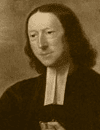
John Wesley expounds on Matthew 16, emphasizing the importance of recognizing the signs of the times and the true nature of Christ's mission. He warns against the leaven of false doctrine and the spiritual blindness caused by worldly desires. Wesley highlights Peter's confession of Christ and the si
Charles Finney emphasizes the necessity of removing temptations from our lives, even if they are lawful or important, as they can lead us into sin and spiritual bondage. He argues that if something causes us to stumble, it must be put away for our own good, as clinging to such things is tantamount t

A.W. Pink emphasizes the necessity of cross-bearing in the Christian life, explaining that true discipleship requires self-denial, taking up one's cross, and following Christ. He highlights that the Christian journey is not merely about adhering to doctrines but involves a deep, personal relationshi
Andrew Murray emphasizes the necessity of entering a life of full obedience to Christ, warning against merely calling Him 'Master' without following His commands. He encourages believers to seek the Holy Spirit's conviction to recognize their disobedience and to confess humbly for cleansing. Murray
K.P. Yohannan emphasizes the necessity of dying to oneself in order to produce life, using the metaphor of a grain of wheat that must die to bear fruit. He reflects on Jesus' choice to embrace the cross for the sake of bringing many to glory, and parallels this with Paul's declaration of dying daily

J.R. Miller emphasizes the principle of self-denial in his sermon on Romans 14:1-21, urging believers to live with a constant awareness of their accountability to God rather than judging others. He highlights the importance of love and consideration for others, advocating that Christians should avoi

David Wilkerson emphasizes that true repentance involves not only acknowledging our wrongs but also affirming God's righteousness. He explains that repentance is a critical confrontation with sin, recognizing that it must end to maintain the Holy Spirit's presence in our lives. Self-denial is simila
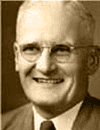
L.E. Maxwell emphasizes the pervasive issue of self in the lives of many Christians, who, despite their outward appearances of faith and service, struggle with hidden self-centeredness. He argues that true victory over self can only be achieved through an inner crucifixion, where believers must cons
Andrew Murray emphasizes the dangers of relying on 'religion in the flesh,' warning against the pride and selfishness that can arise from self-righteousness, as exemplified by the Pharisees. He highlights the Galatians' struggle with trying to perfect their faith through fleshly works rather than th
John Wesley emphasizes the necessity of self-denial and taking up one's cross as essential to following Christ. He argues that this command is universal, applicable to all believers across all ages, and not just to the early disciples. Wesley explains that true discipleship requires a continual prac
A.W. Tozer emphasizes the rigorous demands of discipleship, highlighting that true deliverance comes from denying oneself. He asserts that self is the root of man's corruption and enslavement, and that only through the power of the cross can one find freedom. The cross, as Tozer describes, is not a
A.W. Tozer emphasizes that the cross represents not only the selfless life of Christ but also the essence of the normal Christian life, which requires self-denial and following Jesus. He warns against the inherent self-interest in human nature that can lead to spiritual loss, urging believers to eva

Zac Poonen emphasizes that Jesus, as our Forerunner, has opened the 'new and living way' for us to dwell in the Father's presence, which requires us to carry the dying of Jesus in our own lives. He highlights that true spiritual progress comes from daily denying ourselves and following the way of th

Thomas Watson preaches on 'The Beatitudes', emphasizing the transformative power of self-denial and the importance of a pure heart in the life of a Christian. He illustrates how God uses affliction to refine believers, contrasting the fires of purification with those of damnation. Watson highlights

Horatius Bonar emphasizes the call to self-denial in Christianity, drawing from Revelation 2:2-3 to illustrate the commendable works, labor, and patience of the Ephesian church. He contrasts their self-denying faith with the self-indulgence prevalent in modern Christianity, urging believers to forsa

Chuck Smith emphasizes the call of Jesus in Mark 8:34, urging believers to deny themselves, take up their cross, and follow Him. He challenges the audience to reflect on their ambitions and the true value of their souls, highlighting that worldly gains are meaningless compared to eternal life. Smith
David Wilkerson emphasizes that being part of Jesus' church requires more than mere belief; it demands a life of self-denial and commitment to following Christ, even in the face of persecution and rejection. He highlights that true fulfillment comes from losing one's life for Jesus' sake, which lead
A.W. Pink emphasizes the necessity of self-denial and taking up one's cross to truly follow Christ. He explains that being a Christian is not merely about church membership or adhering to a creed, but involves a complete renunciation of self, including one's own wisdom, strength, will, and desires.
A.B. Simpson emphasizes the necessity of dying to self in order to fully live for Christ. He illustrates how our self-importance and personal ambitions can become idols that hinder our relationship with Jesus. Just as the dot over the letter 'i' signifies self, it can overshadow our lives and become
A.B. Simpson emphasizes that the transformation described by Ezekiel involves not just a new heart, but a heart filled with the Holy Spirit, empowering believers to follow God's commandments. This pivotal moment in a Christian's life is marked by God's presence dwelling within, leading to a profound
A.W. Tozer emphasizes the profound demands of discipleship as set forth by Jesus, highlighting the necessity of self-denial for true salvation. He explains that only through the denial of self can one experience deliverance from the chains of sin and corruption. The cross, as an instrument of death,
John Wesley addresses the inefficiency of Christianity, questioning why it has not brought about the spiritual healing it promises. He highlights the widespread ignorance of true Christianity among both Christians and non-Christians, suggesting that many who identify as Christians do not truly under

Samuel Logan Brengle emphasizes the significance of self-denial in the Christian life, illustrating that true self-denial comes from voluntarily giving up what we enjoy for the sake of others and God's glory. He critiques the mindset of those who view their wealth and luxuries as personal entitlemen
Samuel Logan Brengle emphasizes the significance of self-denial and vigilance in the Christian life through the story of Gideon's 300 men, who were chosen for their readiness to fight and their ability to resist self-indulgence. He illustrates how God reduced Gideon's army to prevent pride and to en
A.B. Simpson emphasizes the necessity of dying to self in his sermon 'The Death of Self,' using the allegory of Abraham's sacrifice of Isaac to illustrate the believer's journey from self-will and self-confidence to a life fully surrendered to Christ. He explains that true spiritual growth requires

F.B. Meyer emphasizes the necessity of relinquishing the self-life through three pivotal steps: the cross, the Spirit, and the contemplation of the risen Christ. He explains that the cross symbolizes not only Christ's sacrifice but also the sanctification of our sinful nature, urging believers to se
Zac Poonen emphasizes the commandment given by Jesus to love one another as He loved us, highlighting that this love is characterized by self-denial and sacrifice. He explains that true Christian love requires us to lay down our self-life daily in our relationships with fellow believers, which is of
J.R. Miller addresses the question of self-denial, emphasizing that it should not be practiced for its own sake but rather as an expression of love and duty. He critiques the notion of self-denial that leads to self-inflicted suffering, arguing that true sacrifice is rooted in love and service to ot

Octavius Winslow emphasizes that true life is found in living for the Lord, as stated in Romans 14:7-8. He explains that the growth of Christ's kingdom in our souls requires the demolition of self, leading to a life of self-denial and holiness. Winslow encourages believers to reflect on whether thei

Hans R. Waldvogel emphasizes the readiness of Jesus for His people, contrasting it with the unpreparedness of many to embrace Him fully. He laments that while people seek blessings, they often miss the essence of Christ, who is the ultimate gift and source of life. Waldvogel calls for a deep recogni
F.B. Meyer emphasizes the importance of discerning true faith from counterfeit religion in his sermon 'Seeking Life Testing Leaders.' He warns that genuine faith requires self-denial and a commitment to the narrow path of the Cross, contrasting it with the easy allure of self-indulgence that ultimat
David Wilkerson emphasizes that true victory in Christ is not about living a life of extreme simplicity or self-denial, but rather about embracing the death, burial, and resurrection of Jesus. He reflects on his early misconceptions about self-denial, realizing that true power comes from clinging to

G.W. North emphasizes the significance of the Lord's Supper as a spiritual nourishment for the new man rather than a physical meal. He explains that in the Eastern context, supper represents the beginning of a new day, symbolizing the new life in Christ. The elements of bread and wine are mere symbo
Charles Finney emphasizes the necessity of self-denial in the Christian life, explaining that true discipleship requires denying one's appetites and desires that conflict with God's law of love. He argues that self-indulgence leads to spiritual emptiness, while self-denial opens the heart to deeper
David Wilkerson passionately addresses the rampant self-centeredness and greed within the church, drawing parallels between the warnings of Old Testament prophets and the current state of Christianity. He emphasizes the need for believers to pour out their lives as a drink offering to God, rather th
A.W. Tozer emphasizes the necessity of self-denial and taking up one's cross to follow Christ, arguing that true discipleship requires surrendering personal ambitions and fears. He challenges the notion of timidity in faith, asserting that a true follower of Jesus must be willing to face peril and a